DCFS director presents 2021 family‑preservation data, flags Pulaski County workforce strain
August 23, 2022 | CHILDREN AND YOUTH COMMITTEE - SENATE, Senate, Committees, Legislative, Arkansas
This article was created by AI summarizing key points discussed. AI makes mistakes, so for full details and context, please refer to the video of the full meeting. Please report any errors so we can fix them. Report an error »
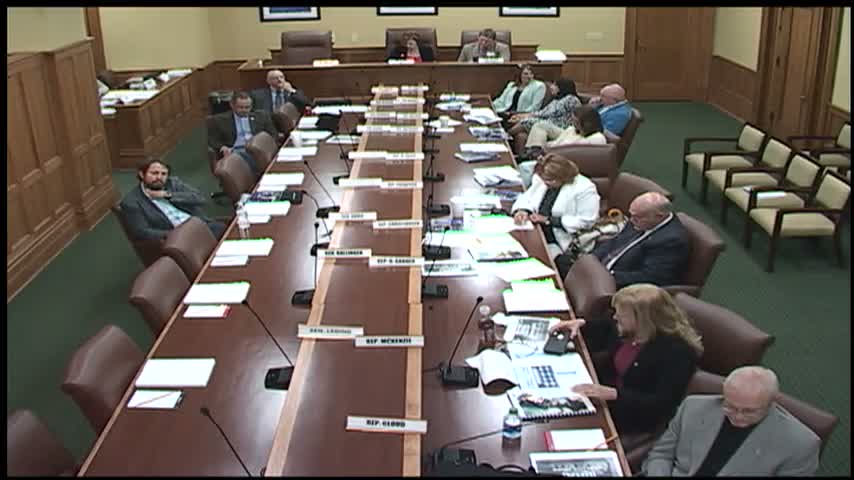
Missha Martin, director of the Division of Children and Family Services, briefed the Senate Children and Youth Committee on the family preservation report required by the legislature. The document covers calendar year 2021 and includes county‑level appendices, Martin said.
Martin noted 4,393 accepted reports of child maltreatment in 2021 and said timely initiation of investigations — which must begin within 24 or 72 hours depending on severity — declined in 2021 amid workforce turnover. “We faced significant turnover and workforce challenges,” Martin said, identifying Pulaski County (Area 6) as particularly affected.
The report showed foster‑care population trends: 4,631 children in foster care in 2021, with 4,445 in care “as of yesterday,” Martin said, indicating a downward trend from the pandemic peak. She highlighted increased placement with relatives (over 42% at the end of 2021) and said Arkansas met or improved on several permanency measures in 2022, including moving below the national average for time from termination to adoption in one metric.
When asked about Pulaski County, Martin described a 'snowball effect' after multiple staff losses: she said central office staff were redeployed to stabilize the area and that the division obtained resources and partnerships (including Public Knowledge and Restore Hope) and invested in intensive in‑home services. “We have implemented a whole plan … we got approval for … Public Knowledge,” Martin said, describing mitigation steps.
Martin emphasized the report’s county breakout appendix and encouraged members to review local data. She also noted that some performance tools used internally (Safe Measures and three‑day reports) provide more current management information than the static annual report.
Next steps: Committee members asked for follow‑up on Pulaski County stabilization and thanked the director for the data presentation; no policy votes were taken during the briefing.
Martin noted 4,393 accepted reports of child maltreatment in 2021 and said timely initiation of investigations — which must begin within 24 or 72 hours depending on severity — declined in 2021 amid workforce turnover. “We faced significant turnover and workforce challenges,” Martin said, identifying Pulaski County (Area 6) as particularly affected.
The report showed foster‑care population trends: 4,631 children in foster care in 2021, with 4,445 in care “as of yesterday,” Martin said, indicating a downward trend from the pandemic peak. She highlighted increased placement with relatives (over 42% at the end of 2021) and said Arkansas met or improved on several permanency measures in 2022, including moving below the national average for time from termination to adoption in one metric.
When asked about Pulaski County, Martin described a 'snowball effect' after multiple staff losses: she said central office staff were redeployed to stabilize the area and that the division obtained resources and partnerships (including Public Knowledge and Restore Hope) and invested in intensive in‑home services. “We have implemented a whole plan … we got approval for … Public Knowledge,” Martin said, describing mitigation steps.
Martin emphasized the report’s county breakout appendix and encouraged members to review local data. She also noted that some performance tools used internally (Safe Measures and three‑day reports) provide more current management information than the static annual report.
Next steps: Committee members asked for follow‑up on Pulaski County stabilization and thanked the director for the data presentation; no policy votes were taken during the briefing.
View the Full Meeting & All Its Details
This article offers just a summary. Unlock complete video, transcripts, and insights as a Founder Member.
✓
Watch full, unedited meeting videos
✓
Search every word spoken in unlimited transcripts
✓
AI summaries & real-time alerts (all government levels)
✓
Permanent access to expanding government content
30-day money-back guarantee
