Arkansas education researchers tell Senate panel private school choice can raise broader outcomes
February 16, 2022 | EDUCATION COMMITTEE - SENATE, Senate, Committees, Legislative, Arkansas
This article was created by AI summarizing key points discussed. AI makes mistakes, so for full details and context, please refer to the video of the full meeting. Please report any errors so we can fix them. Report an error »
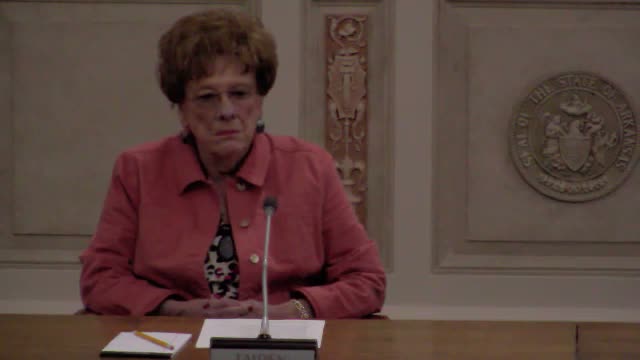
University of Arkansas researchers told the Senate Education Committee that private school choice programs tend to produce mixed test-score results for participating students but consistent gains on other outcomes and in the broader education system.
In opening testimony, a Department of Education Reform presenter said private-choice programs "consistently improve non test score student outcomes, including high school graduation, college enrollment, and college completion rates," and listed reductions in young adult crime and unplanned pregnancies among reported benefits. The presenter said 66 choice programs now operate in 33 states plus the District of Columbia and Puerto Rico and that Arkansas enacted two expansions in 2021: increased funding for the Succeed Scholarship for students with disabilities and the Invest in Kids tax-credit scholarship for low-income students.
Committee members pressed presenters on whether private choice diverts funding from public schools. A senator asked whether moving funds to private schools harms district-run public schools. The presenter replied that funding is often based on prior-year enrollments and that some local funding remains in the district; he argued that competition can create incentives for districts to communicate more with parents, add programs, and replace low-performing teachers, a dynamic he summarized as a "rising tide that lifts all boats."
Presenters acknowledged trade-offs. They said private choice programs in Arkansas currently reach relatively few students ("fewer than a thousand" statewide, about 0.2% of K-12 enrollment), and recommended policymakers consider equitable expansions and equalizing funding mechanisms so resources better follow students. Committee members also raised fairness questions about applying the same rules to different provider types; presenters noted charters are intentionally exempted from some traditional requirements to allow innovation, which can affect resource allocation.
The presenters offered to provide additional research and data to lawmakers as they consider funding and oversight changes. The committee moved on to follow-up panels on teacher workforce and pensions after the discussion; no formal vote or policy decision was taken at the hearing.
In opening testimony, a Department of Education Reform presenter said private-choice programs "consistently improve non test score student outcomes, including high school graduation, college enrollment, and college completion rates," and listed reductions in young adult crime and unplanned pregnancies among reported benefits. The presenter said 66 choice programs now operate in 33 states plus the District of Columbia and Puerto Rico and that Arkansas enacted two expansions in 2021: increased funding for the Succeed Scholarship for students with disabilities and the Invest in Kids tax-credit scholarship for low-income students.
Committee members pressed presenters on whether private choice diverts funding from public schools. A senator asked whether moving funds to private schools harms district-run public schools. The presenter replied that funding is often based on prior-year enrollments and that some local funding remains in the district; he argued that competition can create incentives for districts to communicate more with parents, add programs, and replace low-performing teachers, a dynamic he summarized as a "rising tide that lifts all boats."
Presenters acknowledged trade-offs. They said private choice programs in Arkansas currently reach relatively few students ("fewer than a thousand" statewide, about 0.2% of K-12 enrollment), and recommended policymakers consider equitable expansions and equalizing funding mechanisms so resources better follow students. Committee members also raised fairness questions about applying the same rules to different provider types; presenters noted charters are intentionally exempted from some traditional requirements to allow innovation, which can affect resource allocation.
The presenters offered to provide additional research and data to lawmakers as they consider funding and oversight changes. The committee moved on to follow-up panels on teacher workforce and pensions after the discussion; no formal vote or policy decision was taken at the hearing.
Don't Miss a Word: See the Full Meeting!
Go beyond summaries. Unlock every video, transcript, and key insight with a Founder Membership.
✓
Get instant access to full meeting videos
✓
Search and clip any phrase from complete transcripts
✓
Receive AI-powered summaries & custom alerts
✓
Enjoy lifetime, unrestricted access to government data
30-day money-back guarantee
