Panel advances bills to create criminal liability for executives who knowingly conceal drug or vaccine risks
March 15, 2023 | JUDICIARY COMMITTEE - SENATE, Senate, Committees, Legislative, Arkansas
This article was created by AI summarizing key points discussed. AI makes mistakes, so for full details and context, please refer to the video of the full meeting. Please report any errors so we can fix them. Report an error »
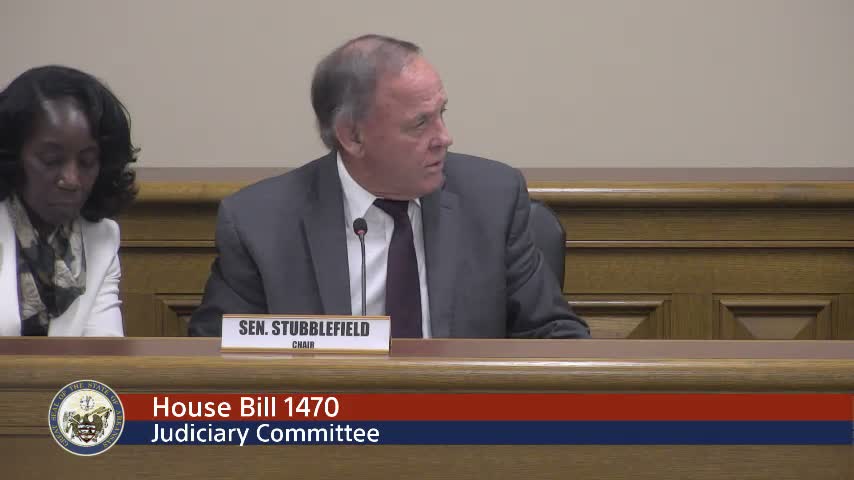
The Senate Judiciary Committee voted to advance two bills from Senator Brian King that would allow criminal prosecution of corporate executives who knowingly hide data or evidence about the harmful effects of prescription drugs or vaccines.
SB7 targets prescription-drug manufacturers by creating a new offense — described in the bill as 'prescription drug harm' or homicide — when specified conduct and a knowing concealment of evidence cause death or serious injury. SB8 uses parallel language to cover vaccines. Senator King offered and secured an amendment that adds a four-year sunset and creates a fund intended to help local prosecutors pursue complex cases; sponsors said the fund would be capitalized, if possible, from existing settlement or state resources.
King framed the bills as a narrow, targeted response to misconduct like that attributed to Purdue Pharma during the opioid crisis, arguing that civil settlements have not always led to individual accountability. "Just because you're a big drug executive and you have money and power shouldn't mean that you escape prosecution," King said, recounting the history of opioid marketing and enforcement efforts.
Committee members pressed sponsors on several legal and practical issues: Senator McKee and others asked how the bill’s subsections interrelate and whether liability required meeting all listed elements or only one; Senator Flowers and others asked about proof given FDA approval of drugs or vaccines and about the evidence needed to show a defendant 'knowingly' concealed material information. Senator Gilmore and others questioned whether federal statutes already address similar conduct and whether state prosecutions would be duplicative or face jurisdictional obstacles.
King responded that the bills are intended to be prosecutable only when there is evidence of deliberate concealment or omission and that the amendment’s fund would help offset the heavy resources needed to pursue complex corporate prosecutions. He said some funds from prior settlements have been returned to state general funds, creating material resources that could be repurposed for prosecution costs.
After lengthy discussion and a roll-call recorded by the clerk in the committee transcript for SB7, the committee adopted the amendment and passed SB7. SB8, which mirrors SB7 but applies to vaccines, was amended the same way and approved.
The bills now move to the Senate floor. Sponsors acknowledged the measures pose substantial prosecutorial challenges and said they expect additional drafting and legal review during the next legislative stages.
SB7 targets prescription-drug manufacturers by creating a new offense — described in the bill as 'prescription drug harm' or homicide — when specified conduct and a knowing concealment of evidence cause death or serious injury. SB8 uses parallel language to cover vaccines. Senator King offered and secured an amendment that adds a four-year sunset and creates a fund intended to help local prosecutors pursue complex cases; sponsors said the fund would be capitalized, if possible, from existing settlement or state resources.
King framed the bills as a narrow, targeted response to misconduct like that attributed to Purdue Pharma during the opioid crisis, arguing that civil settlements have not always led to individual accountability. "Just because you're a big drug executive and you have money and power shouldn't mean that you escape prosecution," King said, recounting the history of opioid marketing and enforcement efforts.
Committee members pressed sponsors on several legal and practical issues: Senator McKee and others asked how the bill’s subsections interrelate and whether liability required meeting all listed elements or only one; Senator Flowers and others asked about proof given FDA approval of drugs or vaccines and about the evidence needed to show a defendant 'knowingly' concealed material information. Senator Gilmore and others questioned whether federal statutes already address similar conduct and whether state prosecutions would be duplicative or face jurisdictional obstacles.
King responded that the bills are intended to be prosecutable only when there is evidence of deliberate concealment or omission and that the amendment’s fund would help offset the heavy resources needed to pursue complex corporate prosecutions. He said some funds from prior settlements have been returned to state general funds, creating material resources that could be repurposed for prosecution costs.
After lengthy discussion and a roll-call recorded by the clerk in the committee transcript for SB7, the committee adopted the amendment and passed SB7. SB8, which mirrors SB7 but applies to vaccines, was amended the same way and approved.
The bills now move to the Senate floor. Sponsors acknowledged the measures pose substantial prosecutorial challenges and said they expect additional drafting and legal review during the next legislative stages.
View the Full Meeting & All Its Details
This article offers just a summary. Unlock complete video, transcripts, and insights as a Founder Member.
✓
Watch full, unedited meeting videos
✓
Search every word spoken in unlimited transcripts
✓
AI summaries & real-time alerts (all government levels)
✓
Permanent access to expanding government content
30-day money-back guarantee
