Auto franchise bill stalls after hours of debate over digital-platform definition, cybersecurity and special tools
April 22, 2021 | TRANSPORTATION, TECHNOLOGY & LEGISLATIVE AFFAIRS - SENATE, Senate, Committees, Legislative, Arkansas
This article was created by AI summarizing key points discussed. AI makes mistakes, so for full details and context, please refer to the video of the full meeting. Please report any errors so we can fix them. Report an error »
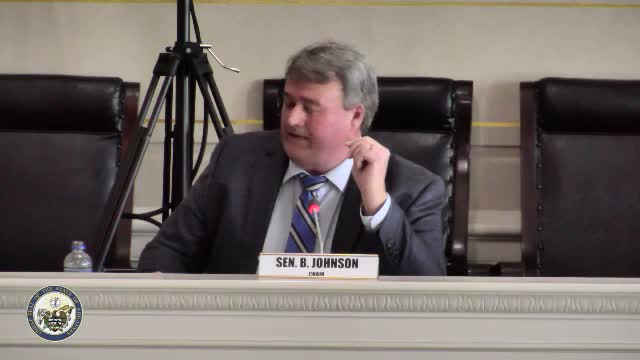
A proposed rewrite of Arkansas’ Motor Vehicle Franchise Act involving digital platforms and dealer rights failed to pass the Senate Transportation, Technology & Legislative Affairs committee after extended testimony from dealers and automobile manufacturers.
Representative Jeff Wardlaw presented what he characterized as cleanup and modernization to let dealers control dealer-owned digital assets and to prevent manufacturers from unduly restricting dealer websites and sales opportunities. He said the bill is intended to help small, rural dealers that cannot meet high inventory thresholds imposed through some manufacturer digital practices.
Dealers and dealer-advocacy witnesses described cases they said illustrate the problem: representatives said manufacturers can limit which inventory appears on a dealer’s website, control pictures and pricing feeds, and withhold access to digital tools for sales and service, thereby constraining smaller dealers.
Manufacturers and distributors, including Laird Duran of Gulf States Toyota and Jeff Perry of General Motors, opposed the bill’s current language. They said the bill’s broad "digital platform" definition could prevent manufacturers from imposing necessary cybersecurity measures and would make Arkansas an outlier. Laird Duran warned the measure could "tie our hands" to the point that manufacturers could be unable to require dealers to use two-factor authentication, encryption, or cyber-insurance; he cited recent dealer ransomware incidents in the region and argued the bill could reduce protection of consumer data.
General Motors representatives also urged carving out special tools and diagnostic equipment from vendor-choice language, saying specialized equipment is necessary to diagnose and repair modern vehicles safely and reliably, particularly electric vehicles. They said validating cross-brand diagnostic tools would be impractical without significant revalidation and could pose safety risks.
Committee members pressed both sides on voluntary manufacturer programs, the bill’s cybersecurity exceptions and whether the digital-platform definition could be narrowed. Sponsors pointed to clauses intended to preserve manufacturers’ intellectual-property and security requirements and said voluntary programs remain allowed, but manufacturers argued other provisions would have chilling effects on necessary security and safety requirements.
After extended debate the committee moved to a roll-call on passage. The chair announced the bill did not pass following the roll call.
Representative Jeff Wardlaw presented what he characterized as cleanup and modernization to let dealers control dealer-owned digital assets and to prevent manufacturers from unduly restricting dealer websites and sales opportunities. He said the bill is intended to help small, rural dealers that cannot meet high inventory thresholds imposed through some manufacturer digital practices.
Dealers and dealer-advocacy witnesses described cases they said illustrate the problem: representatives said manufacturers can limit which inventory appears on a dealer’s website, control pictures and pricing feeds, and withhold access to digital tools for sales and service, thereby constraining smaller dealers.
Manufacturers and distributors, including Laird Duran of Gulf States Toyota and Jeff Perry of General Motors, opposed the bill’s current language. They said the bill’s broad "digital platform" definition could prevent manufacturers from imposing necessary cybersecurity measures and would make Arkansas an outlier. Laird Duran warned the measure could "tie our hands" to the point that manufacturers could be unable to require dealers to use two-factor authentication, encryption, or cyber-insurance; he cited recent dealer ransomware incidents in the region and argued the bill could reduce protection of consumer data.
General Motors representatives also urged carving out special tools and diagnostic equipment from vendor-choice language, saying specialized equipment is necessary to diagnose and repair modern vehicles safely and reliably, particularly electric vehicles. They said validating cross-brand diagnostic tools would be impractical without significant revalidation and could pose safety risks.
Committee members pressed both sides on voluntary manufacturer programs, the bill’s cybersecurity exceptions and whether the digital-platform definition could be narrowed. Sponsors pointed to clauses intended to preserve manufacturers’ intellectual-property and security requirements and said voluntary programs remain allowed, but manufacturers argued other provisions would have chilling effects on necessary security and safety requirements.
After extended debate the committee moved to a roll-call on passage. The chair announced the bill did not pass following the roll call.
Don't Miss a Word: See the Full Meeting!
Go beyond summaries. Unlock every video, transcript, and key insight with a Founder Membership.
✓
Get instant access to full meeting videos
✓
Search and clip any phrase from complete transcripts
✓
Receive AI-powered summaries & custom alerts
✓
Enjoy lifetime, unrestricted access to government data
30-day money-back guarantee
