House passes a batch of Senate and House bills; student survey opt‑in and employment confidentiality drew floor debate
January 31, 2024 | 2024 Utah Legislature, Utah Legislature, Utah Legislative Branch, Utah
This article was created by AI summarizing key points discussed. AI makes mistakes, so for full details and context, please refer to the video of the full meeting. Please report any errors so we can fix them. Report an error »
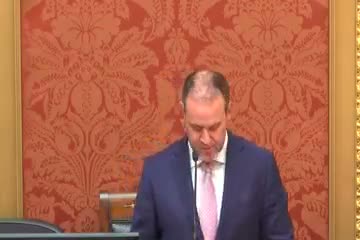
The Utah House of Representatives spent its Jan. 30 floor session advancing a large package of bills from both chambers and adopting several House-originated measures.
On the Senate third-reading calendar the House approved a series of mostly technical and committee bills, returning them to the Senate for its signature. Measures included SB 21 (state tax commission public meeting requirements, which removes a sunset on an administrative authority), SB 38 (property tax appeals modifications), SB 15 (concealed firearm review board extension), SB 20 (agriculture and wildlife damage prevention board sunset extension), SB 19 (Utah Communications Authority code consolidations), SB 99 (Public Service Commission appointment clarifications), SB 34 (Utah State Retirement Systems revisions), SB 32 (caregiver compensation clarifications), SB 42 (Health and Human Services reporting repeals), SB 11 (offender registry search access adjustments), SB 17 (Safe Drinking Water Act sunset extension), SB 74 (port of entry amendments), and SB 29 (truth‑in‑taxation modifications). Most passed with unanimous or near‑unanimous voice votes; SB 19 recorded two no votes.
Representative Jefferson Moss, speaking for SB 99, said the bill "clarifies that all midterm or regular appointments go through the same statutory process" to address confusion about filling commission vacancies. Representative Acton described SB 34 as the retirement system’s annual cleanup: "It contains the URS recommendations and a couple of terminology changes." Representative Stratton said SB 29 improves tax transparency by requiring "more time after the notice is given before the hearings and additional detailed information in the hearings such as the uses of the proposed tax, actual revenue it will generate."
On house-originated business, the body considered several substitutes and procedural motions (uncircle/circle) to manage committee review and stakeholder input. Representative Welton’s HB 107 (recycling facility transparency) and other bills were approved and sent to the Senate.
Two floor items attracted fuller debate and non‑unanimous votes. HB 182 (student survey amendments) was amended to a third substitute and passed 49–20. Representative Lisenby said the bill requires non‑academic K‑12 surveys to be opt‑in and provides a 14‑day parental notification window for certain surveys, saying the change protects classroom time and family choice. Representative Albrecht questioned whether parents already had opt‑out rights; Lisenby argued the opt‑in approach is proactive and avoids administrative problems when opt‑outs invalidate datasets.
HB 55 (employment confidentiality amendments) was the day’s most substantive policy exchange on the House floor. Representative Birkland described the bill as making non‑disclosure and non‑disparagement clauses unenforceable when used as a condition of employment in cases involving assault or harassment and urged passage to give victims more voice. Representative McPherson described friendly changes to ensure non‑employment NDAs are mutual and to preserve compliance with subpoenas; the second substitute passed unanimously and will be sent to the Senate.
The House also reconsidered an earlier reading of SB 16 (motor vehicle act amendments) to adopt a floor amendment clarifying references to diesel vehicles and then passed the amended measure on reconsideration 67–0.
The House adjourned to reconvene Thursday, Feb. 1 at 11 a.m.
Votes at a glance (selected items): SB 21 — passed 68–0; SB 38 — passed 67–0; SB 15 — passed 69–0; SB 20 — passed 68–0; SB 19 — passed 67–2; SB 99 — passed 68–0; SB 16 — initially recorded 57–12, later reconsidered and passed as amended 67–0; SB 34 — passed 70–0; SB 32 — passed 70–0; SB 42 — passed 71–0; SB 11 — passed 70–0; SB 17 — passed 69–0; SB 74 — passed 71–0; SB 29 — passed 66–0; HB 55 — passed 71–0 (second substitute, sent to Senate); HB 107 — passed 72–0; HB 172 — passed 71–0; HB 182 — passed 49–20.
The House adopted the Rules Committee report allocating dozens of bills to standing committees and recognized visitors from the Saint George area chamber of commerce before adjourning.
On the Senate third-reading calendar the House approved a series of mostly technical and committee bills, returning them to the Senate for its signature. Measures included SB 21 (state tax commission public meeting requirements, which removes a sunset on an administrative authority), SB 38 (property tax appeals modifications), SB 15 (concealed firearm review board extension), SB 20 (agriculture and wildlife damage prevention board sunset extension), SB 19 (Utah Communications Authority code consolidations), SB 99 (Public Service Commission appointment clarifications), SB 34 (Utah State Retirement Systems revisions), SB 32 (caregiver compensation clarifications), SB 42 (Health and Human Services reporting repeals), SB 11 (offender registry search access adjustments), SB 17 (Safe Drinking Water Act sunset extension), SB 74 (port of entry amendments), and SB 29 (truth‑in‑taxation modifications). Most passed with unanimous or near‑unanimous voice votes; SB 19 recorded two no votes.
Representative Jefferson Moss, speaking for SB 99, said the bill "clarifies that all midterm or regular appointments go through the same statutory process" to address confusion about filling commission vacancies. Representative Acton described SB 34 as the retirement system’s annual cleanup: "It contains the URS recommendations and a couple of terminology changes." Representative Stratton said SB 29 improves tax transparency by requiring "more time after the notice is given before the hearings and additional detailed information in the hearings such as the uses of the proposed tax, actual revenue it will generate."
On house-originated business, the body considered several substitutes and procedural motions (uncircle/circle) to manage committee review and stakeholder input. Representative Welton’s HB 107 (recycling facility transparency) and other bills were approved and sent to the Senate.
Two floor items attracted fuller debate and non‑unanimous votes. HB 182 (student survey amendments) was amended to a third substitute and passed 49–20. Representative Lisenby said the bill requires non‑academic K‑12 surveys to be opt‑in and provides a 14‑day parental notification window for certain surveys, saying the change protects classroom time and family choice. Representative Albrecht questioned whether parents already had opt‑out rights; Lisenby argued the opt‑in approach is proactive and avoids administrative problems when opt‑outs invalidate datasets.
HB 55 (employment confidentiality amendments) was the day’s most substantive policy exchange on the House floor. Representative Birkland described the bill as making non‑disclosure and non‑disparagement clauses unenforceable when used as a condition of employment in cases involving assault or harassment and urged passage to give victims more voice. Representative McPherson described friendly changes to ensure non‑employment NDAs are mutual and to preserve compliance with subpoenas; the second substitute passed unanimously and will be sent to the Senate.
The House also reconsidered an earlier reading of SB 16 (motor vehicle act amendments) to adopt a floor amendment clarifying references to diesel vehicles and then passed the amended measure on reconsideration 67–0.
The House adjourned to reconvene Thursday, Feb. 1 at 11 a.m.
Votes at a glance (selected items): SB 21 — passed 68–0; SB 38 — passed 67–0; SB 15 — passed 69–0; SB 20 — passed 68–0; SB 19 — passed 67–2; SB 99 — passed 68–0; SB 16 — initially recorded 57–12, later reconsidered and passed as amended 67–0; SB 34 — passed 70–0; SB 32 — passed 70–0; SB 42 — passed 71–0; SB 11 — passed 70–0; SB 17 — passed 69–0; SB 74 — passed 71–0; SB 29 — passed 66–0; HB 55 — passed 71–0 (second substitute, sent to Senate); HB 107 — passed 72–0; HB 172 — passed 71–0; HB 182 — passed 49–20.
The House adopted the Rules Committee report allocating dozens of bills to standing committees and recognized visitors from the Saint George area chamber of commerce before adjourning.
View the Full Meeting & All Its Details
This article offers just a summary. Unlock complete video, transcripts, and insights as a Founder Member.
✓
Watch full, unedited meeting videos
✓
Search every word spoken in unlimited transcripts
✓
AI summaries & real-time alerts (all government levels)
✓
Permanent access to expanding government content
30-day money-back guarantee
