House approves HB 191 after contested debate over reliability and plant retirements (62–9)
February 06, 2024 | 2024 Utah Legislature, Utah Legislature, Utah Legislative Branch, Utah
This article was created by AI summarizing key points discussed. AI makes mistakes, so for full details and context, please refer to the video of the full meeting. Please report any errors so we can fix them. Report an error »
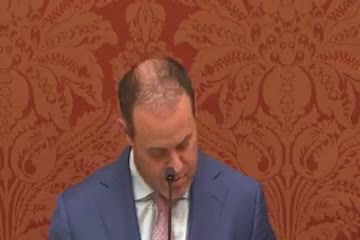
The Utah House on Feb. 6 approved second substitute House Bill 191, the electrical energy amendments, after an extended floor debate that centered on system reliability and the potential economic and environmental consequences of delaying power‑plant retirements.
Representative Jack, sponsor, framed HB 191 as a reliability‑focused measure. He said the bill instructs the Public Service Commission to require that replacement resources meet technical criteria — including plant factor, nameplate capacity, reliability, dispatchability and minimum reserve margins established by the reliability coordinator — before approving demolition of existing generation. Jack said the goal is “to have the next resource before we demolish the resources we have.”
Several members raised cost and emissions concerns. Representative Briscoe warned that forcing plants to continue operating could shift long‑term costs to Utah ratepayers: “I'm afraid of what we would be taking on financially and environmentally if this were the law.” Representative Briscoe pressed the sponsor about how emissions and multi‑state cost allocations would be handled; Representative Jack replied emissions are regulated by the EPA and clean‑air permits and that compliance is separate from reliability criteria.
Other supporters—Representative Watkins, Representative Albrecht and Representative Cutler—emphasized risks to grid reliability if baseload capacity were removed before replacement resources are proven. Jack noted specific local concerns about Intermountain Power Project retirements and replacement capacity, saying some plant retirements would create shortages without verified replacements.
After debate and questions about criteria and replacement technologies (natural gas, nuclear, enhanced geothermal, hydrogen or other dispatchable resources), the second substitute passed the House 62–9 and will be transmitted to the Senate.
Representative Jack, sponsor, framed HB 191 as a reliability‑focused measure. He said the bill instructs the Public Service Commission to require that replacement resources meet technical criteria — including plant factor, nameplate capacity, reliability, dispatchability and minimum reserve margins established by the reliability coordinator — before approving demolition of existing generation. Jack said the goal is “to have the next resource before we demolish the resources we have.”
Several members raised cost and emissions concerns. Representative Briscoe warned that forcing plants to continue operating could shift long‑term costs to Utah ratepayers: “I'm afraid of what we would be taking on financially and environmentally if this were the law.” Representative Briscoe pressed the sponsor about how emissions and multi‑state cost allocations would be handled; Representative Jack replied emissions are regulated by the EPA and clean‑air permits and that compliance is separate from reliability criteria.
Other supporters—Representative Watkins, Representative Albrecht and Representative Cutler—emphasized risks to grid reliability if baseload capacity were removed before replacement resources are proven. Jack noted specific local concerns about Intermountain Power Project retirements and replacement capacity, saying some plant retirements would create shortages without verified replacements.
After debate and questions about criteria and replacement technologies (natural gas, nuclear, enhanced geothermal, hydrogen or other dispatchable resources), the second substitute passed the House 62–9 and will be transmitted to the Senate.
View the Full Meeting & All Its Details
This article offers just a summary. Unlock complete video, transcripts, and insights as a Founder Member.
✓
Watch full, unedited meeting videos
✓
Search every word spoken in unlimited transcripts
✓
AI summaries & real-time alerts (all government levels)
✓
Permanent access to expanding government content
30-day money-back guarantee
