House approves bill to expand digital education access in state correctional facilities
February 02, 2023 | 2023 Utah Legislature, Utah Legislature, Utah Legislative Branch, Utah
This article was created by AI summarizing key points discussed. AI makes mistakes, so for full details and context, please refer to the video of the full meeting. Please report any errors so we can fix them. Report an error »
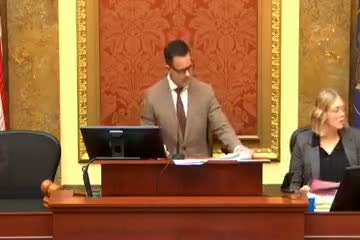
Representative Melissa Ballard presented third substitute House Bill 203 to expand educational access for incarcerated individuals in state correctional facilities. The substitute clarifies that the tablet requirement applies to facilities managed by the Department of Corrections (not jails), removes a 50% upfront payment requirement for courses, provides postsecondary access advisors, and aims to improve continuity of programming.
Ballard and supporters said tablets would allow downloading coursework, uploading assignments, ordering commissary and building résumés, and increase access to classes and scholarships (Pell eligibility). Members asked about the fiscal note and whether tablets would have internet access or be supervised; Ballard said the devices would follow correctional standards promoted by vendors and that removal times and supervised access practices are used to manage custody concerns.
Floor concerns focused on custody, supervision, fiscal cost and vendor choice; corrections and the governor’s budget were referenced as supporting procurement. After debate, the House passed the third substitute H.B.203 by a recorded vote of 61 yes and 11 no and transmitted it to the Senate.
Ballard and supporters said tablets would allow downloading coursework, uploading assignments, ordering commissary and building résumés, and increase access to classes and scholarships (Pell eligibility). Members asked about the fiscal note and whether tablets would have internet access or be supervised; Ballard said the devices would follow correctional standards promoted by vendors and that removal times and supervised access practices are used to manage custody concerns.
Floor concerns focused on custody, supervision, fiscal cost and vendor choice; corrections and the governor’s budget were referenced as supporting procurement. After debate, the House passed the third substitute H.B.203 by a recorded vote of 61 yes and 11 no and transmitted it to the Senate.
View the Full Meeting & All Its Details
This article offers just a summary. Unlock complete video, transcripts, and insights as a Founder Member.
✓
Watch full, unedited meeting videos
✓
Search every word spoken in unlimited transcripts
✓
AI summaries & real-time alerts (all government levels)
✓
Permanent access to expanding government content
30-day money-back guarantee
