House approves expanded film production incentives aimed at rural Utah after heated debate
March 04, 2022 | 2022 Utah Legislature, Utah Legislature, Utah Legislative Branch, Utah
This article was created by AI summarizing key points discussed. AI makes mistakes, so for full details and context, please refer to the video of the full meeting. Please report any errors so we can fix them. Report an error »
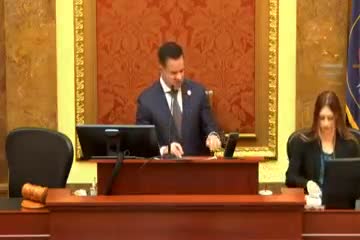
The Utah House of Representatives narrowly approved a second substitute to Senate Bill 49 on March 4, adding a temporary $12 million incentive targeted to film productions in rural counties and a two-year sunset on the additional funding. The House voted 50–22 to pass the measure and return it to the Senate for further consideration.
Supporters said the expanded cap is intended to steer more production dollars and short-term jobs into smaller communities across the state. Representative Handy, the floor sponsor, argued the incentives aid local crews and businesses and said the measure includes guardrails: “We have a 2 year sunset on this,” Handy said, urging colleagues to try the program and improve it if needed.
Opponents pressed for data on whether film incentives yield a reliable return on public investment and raised objections to the funding source. Representative Hawkes said the program increases a cap that historically has been about $6 million by another $12 million, warned the money comes from the state’s education fund and said he would oppose the bill: “I will be voting no.” Opponents such as Representative Brammer and others questioned whether tourism effects cited by supporters are tied to incentives or predate them and cited studies suggesting low returns.
Lawmakers for rural districts and members of a rural caucus said local leaders and county commissioners asked for additional incentives that would direct production days into smaller counties. Representative Lyman described cultural and economic arguments for attracting visitors to iconic Utah locations, and other supporters highlighted local hotels, restaurants, and crews that stand to benefit from production activity.
Procedural motions shaped floor time: members debated circling the bill to allow a short amendment process and ultimately adopted the second substitute before the final roll call. The version that passed includes targeted language directing the additional cap toward rural counties and a sunset provision that supporters said will allow the Legislature to evaluate the results.
The bill’s passage sends it back to the Senate for concurrence on the House amendments; if both chambers agree, the bill would proceed toward final enactment subject to any further changes the Senate makes.
Supporters said the expanded cap is intended to steer more production dollars and short-term jobs into smaller communities across the state. Representative Handy, the floor sponsor, argued the incentives aid local crews and businesses and said the measure includes guardrails: “We have a 2 year sunset on this,” Handy said, urging colleagues to try the program and improve it if needed.
Opponents pressed for data on whether film incentives yield a reliable return on public investment and raised objections to the funding source. Representative Hawkes said the program increases a cap that historically has been about $6 million by another $12 million, warned the money comes from the state’s education fund and said he would oppose the bill: “I will be voting no.” Opponents such as Representative Brammer and others questioned whether tourism effects cited by supporters are tied to incentives or predate them and cited studies suggesting low returns.
Lawmakers for rural districts and members of a rural caucus said local leaders and county commissioners asked for additional incentives that would direct production days into smaller counties. Representative Lyman described cultural and economic arguments for attracting visitors to iconic Utah locations, and other supporters highlighted local hotels, restaurants, and crews that stand to benefit from production activity.
Procedural motions shaped floor time: members debated circling the bill to allow a short amendment process and ultimately adopted the second substitute before the final roll call. The version that passed includes targeted language directing the additional cap toward rural counties and a sunset provision that supporters said will allow the Legislature to evaluate the results.
The bill’s passage sends it back to the Senate for concurrence on the House amendments; if both chambers agree, the bill would proceed toward final enactment subject to any further changes the Senate makes.
View the Full Meeting & All Its Details
This article offers just a summary. Unlock complete video, transcripts, and insights as a Founder Member.
✓
Watch full, unedited meeting videos
✓
Search every word spoken in unlimited transcripts
✓
AI summaries & real-time alerts (all government levels)
✓
Permanent access to expanding government content
30-day money-back guarantee
