Utah Senate advances broad state energy policy emphasizing 'all‑of‑the‑above' principles
February 21, 2024 | 2024 Utah Legislature, Utah Legislature, Utah Legislative Branch, Utah
This article was created by AI summarizing key points discussed. AI makes mistakes, so for full details and context, please refer to the video of the full meeting. Please report any errors so we can fix them. Report an error »
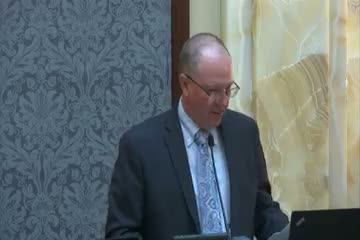
The Utah Senate on Feb. 20 voted to advance first substitute House Bill 374, a comprehensive state energy policy bill that establishes legislative priorities and directs the Office of Energy Development to adopt a data‑driven master plan and annual reporting.
Sponsor Senator Vickers, presenting the uncircled bill, described it as an "all‑of‑the‑above" policy establishing priorities such as adequacy, reliability, dispatchability, affordability, sustainability, security and cleanliness. He told colleagues the bill aims to give the Legislature greater input on long‑term energy direction, require more transparent reporting and encourage collaboration among utilities, the Public Service Commission and the Office of Energy Development.
During debate Senator Bloem questioned whether the bill improperly directs utilities or the Public Service Commission and warned that prioritization language could influence commercial decisions governed by regulators. "It feels like we're kinda directing the utility... we're telling them how to run their business," Bloem said, urging care on regulatory reach.
Senator Winterton spoke in support, saying the state needs legislative direction on energy policy to protect local production and community interests. The sponsor and supporters said the bill sets guidelines rather than mandates and creates a framework for planning and legislative oversight.
After discussion, the Senate approved the substitute by roll call, 22 yes, 3 no, 4 absent, and read it for a third time. The bill will proceed in the legislative process and may return to the House for concurrence or further amendment.
Key provisions highlighted in the presentation include directing the Office of Energy Development to produce a master plan, annual evaluations of policy outcomes, and principles meant to guide state energy decisions and stakeholder engagement. The bill frames its goals around protecting reliability and affordability while encouraging innovation and sustainability.
Supporters said the measure improves legislative access to planning information and establishes a statewide approach to energy decisions; critics cautioned against hard directives that could conflict with regulator expertise or market incentives.
Sponsor Senator Vickers, presenting the uncircled bill, described it as an "all‑of‑the‑above" policy establishing priorities such as adequacy, reliability, dispatchability, affordability, sustainability, security and cleanliness. He told colleagues the bill aims to give the Legislature greater input on long‑term energy direction, require more transparent reporting and encourage collaboration among utilities, the Public Service Commission and the Office of Energy Development.
During debate Senator Bloem questioned whether the bill improperly directs utilities or the Public Service Commission and warned that prioritization language could influence commercial decisions governed by regulators. "It feels like we're kinda directing the utility... we're telling them how to run their business," Bloem said, urging care on regulatory reach.
Senator Winterton spoke in support, saying the state needs legislative direction on energy policy to protect local production and community interests. The sponsor and supporters said the bill sets guidelines rather than mandates and creates a framework for planning and legislative oversight.
After discussion, the Senate approved the substitute by roll call, 22 yes, 3 no, 4 absent, and read it for a third time. The bill will proceed in the legislative process and may return to the House for concurrence or further amendment.
Key provisions highlighted in the presentation include directing the Office of Energy Development to produce a master plan, annual evaluations of policy outcomes, and principles meant to guide state energy decisions and stakeholder engagement. The bill frames its goals around protecting reliability and affordability while encouraging innovation and sustainability.
Supporters said the measure improves legislative access to planning information and establishes a statewide approach to energy decisions; critics cautioned against hard directives that could conflict with regulator expertise or market incentives.
Don't Miss a Word: See the Full Meeting!
Go beyond summaries. Unlock every video, transcript, and key insight with a Founder Membership.
✓
Get instant access to full meeting videos
✓
Search and clip any phrase from complete transcripts
✓
Receive AI-powered summaries & custom alerts
✓
Enjoy lifetime, unrestricted access to government data
30-day money-back guarantee
