Utah Senate advances $200 million teacher-pay pilot that could top $100,000 for top performers
February 22, 2024 | 2024 Utah Legislature, Utah Legislature, Utah Legislative Branch, Utah
This article was created by AI summarizing key points discussed. AI makes mistakes, so for full details and context, please refer to the video of the full meeting. Please report any errors so we can fix them. Report an error »
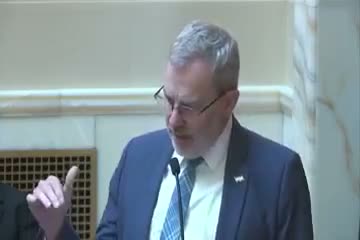
The Utah Senate on Feb. 12 approved a second substitute to Senate Bill 173, a measure creating a three‑year pilot that would allow local education agencies to offer market‑informed salary supplements for teachers and a performance pathway that could pay top teachers up to $100,000 annually.
Senator Lincoln Fillmore, the bill sponsor, told the chamber the program is optional for districts and designed to help retain and reward high‑performing classroom teachers. "We want every teacher who enters our public schools to know that if they stick with this job and they hone their craft ... they can earn $100,000 a year," Fillmore said during his presentation.
The bill establishes the Teacher Salary Supplement Program as a three‑year pilot. Teachers who qualify under locally defined but statutorily guided metrics would receive the supplement as part of regular pay for three years; districts must adopt an appeals process for teachers denied a supplement, Fillmore said.
Opponents warned the pilot’s price tag and distribution could limit broader benefits. "This is gonna be $200,000,000 out of the economic stabilization fund," Senator Reby said, adding that the money might do more good spread across districts: "I don't support this bill because... I don't believe that this maximizes the school districts in all parts of the state." Another senator flagged concerns that short‑term bonuses could accelerate retirements rather than retention.
Legislative staff and senators asked for clarifications about how supplements interact with retirement calculations and whether supplements are permanent base pay. Fillmore pointed senators to the substitute's language and stated that salary supplements under the program are exempt from retirement calculations: "It may not include a salary supplement received under this section in a retirement calculation or as part of retirement contributions." He also said the pilot pays supplements as regular wages during the three‑year pilot and that districts decide objective metrics within broad statutory guidelines.
Senators questioned whether local control could introduce subjectivity. Senator Hinkins asked whether an "awesome teacher" denied a principal’s sign‑off would have any appeal; Fillmore replied that each LEA must establish an appeals process and that the statute is intended to require objective, district‑adopted criteria.
After extended debate about scale, equity and program safeguards, the chamber approved the second substitute on a roll call that produced 22 yea votes, 6 nay votes and 1 absent. The measure now moves forward in the legislative process.
The Senate transcript shows multiple exchanges over appeals processes, fiscal scalability and retirement treatment; the bill sponsor emphasized local control within statutory guardrails and that the pilot could be re‑evaluated after three years.
Senator Lincoln Fillmore, the bill sponsor, told the chamber the program is optional for districts and designed to help retain and reward high‑performing classroom teachers. "We want every teacher who enters our public schools to know that if they stick with this job and they hone their craft ... they can earn $100,000 a year," Fillmore said during his presentation.
The bill establishes the Teacher Salary Supplement Program as a three‑year pilot. Teachers who qualify under locally defined but statutorily guided metrics would receive the supplement as part of regular pay for three years; districts must adopt an appeals process for teachers denied a supplement, Fillmore said.
Opponents warned the pilot’s price tag and distribution could limit broader benefits. "This is gonna be $200,000,000 out of the economic stabilization fund," Senator Reby said, adding that the money might do more good spread across districts: "I don't support this bill because... I don't believe that this maximizes the school districts in all parts of the state." Another senator flagged concerns that short‑term bonuses could accelerate retirements rather than retention.
Legislative staff and senators asked for clarifications about how supplements interact with retirement calculations and whether supplements are permanent base pay. Fillmore pointed senators to the substitute's language and stated that salary supplements under the program are exempt from retirement calculations: "It may not include a salary supplement received under this section in a retirement calculation or as part of retirement contributions." He also said the pilot pays supplements as regular wages during the three‑year pilot and that districts decide objective metrics within broad statutory guidelines.
Senators questioned whether local control could introduce subjectivity. Senator Hinkins asked whether an "awesome teacher" denied a principal’s sign‑off would have any appeal; Fillmore replied that each LEA must establish an appeals process and that the statute is intended to require objective, district‑adopted criteria.
After extended debate about scale, equity and program safeguards, the chamber approved the second substitute on a roll call that produced 22 yea votes, 6 nay votes and 1 absent. The measure now moves forward in the legislative process.
The Senate transcript shows multiple exchanges over appeals processes, fiscal scalability and retirement treatment; the bill sponsor emphasized local control within statutory guardrails and that the pilot could be re‑evaluated after three years.
View the Full Meeting & All Its Details
This article offers just a summary. Unlock complete video, transcripts, and insights as a Founder Member.
✓
Watch full, unedited meeting videos
✓
Search every word spoken in unlimited transcripts
✓
AI summaries & real-time alerts (all government levels)
✓
Permanent access to expanding government content
30-day money-back guarantee
