Utah Senate passes multiple measures on third reading, including student-communications bill
February 20, 2024 | 2024 Utah Legislature, Utah Legislature, Utah Legislative Branch, Utah
This article was created by AI summarizing key points discussed. AI makes mistakes, so for full details and context, please refer to the video of the full meeting. Please report any errors so we can fix them. Report an error »
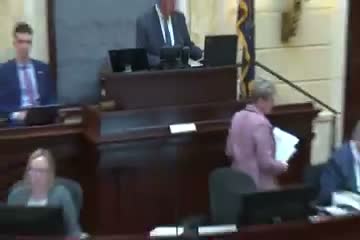
The Utah Senate approved several bills on third reading during its floor session on Feb. 16.
First Substitute Senate Bill 92, the conference committee substitute on student communication methods, passed the Senate on a roll-call vote of 24 yeas, 0 nays and 5 absent after the joint conference committee recommended replacing the original bill and favorably reported the substitute. The committee report was signed by Senator Pitcher and Representative Tuscher.
The chamber also passed Fifth Substitute Senate Bill 161 (security amendments) on a roll-call vote recorded as 18 yeas, 5 nays and 6 absent. Senators moved the bill from the third-reading calendar and, after a brief floor exchange, called the question and took the roll.
Second Substitute House Bill 11, as amended to clarify that the language targets drip irrigation and not turf or alfalfa operations, passed the Senate with a recorded 23 yeas, 2 nays and 4 absent. Senator Sandel offered a brief explanation on the floor expressing appreciation for language that emphasized conservation without singling out particular crops.
Senate membership also considered and uncircled Second Substitute Senate Bill 192, described by its floor sponsor as technical cleanup for higher-education governance. The bill clarifies board and president duties, allows certain board members to appoint designees to required meetings, and authorizes Talent Ready Utah to form advisory industry councils; later procedural steps moved the bill forward.
Other routine interchamber communications were read into the record, including notifications from the House that several bills and joint resolutions had been passed and transmitted for the president’s signature or further Senate consideration.
Votes at a glance:
• First Substitute Senate Bill 92 — Passed: 24 yeas, 0 nays, 5 absent.
• Fifth Substitute Senate Bill 161 — Passed: 18 yeas, 5 nays, 6 absent.
• Second Substitute House Bill 11 — Passed: 23 yeas, 2 nays, 4 absent.
• Second Substitute Senate Bill 192 — Uncircled and moved forward (floor discussion and substitution recorded).
The Senate recessed briefly later in the session following the adoption of a Senate amendment and a procedural motion to “saunter.” Remaining bills on the calendar were sent to committee or returned to the House as appropriate for enrollment and signatures.
First Substitute Senate Bill 92, the conference committee substitute on student communication methods, passed the Senate on a roll-call vote of 24 yeas, 0 nays and 5 absent after the joint conference committee recommended replacing the original bill and favorably reported the substitute. The committee report was signed by Senator Pitcher and Representative Tuscher.
The chamber also passed Fifth Substitute Senate Bill 161 (security amendments) on a roll-call vote recorded as 18 yeas, 5 nays and 6 absent. Senators moved the bill from the third-reading calendar and, after a brief floor exchange, called the question and took the roll.
Second Substitute House Bill 11, as amended to clarify that the language targets drip irrigation and not turf or alfalfa operations, passed the Senate with a recorded 23 yeas, 2 nays and 4 absent. Senator Sandel offered a brief explanation on the floor expressing appreciation for language that emphasized conservation without singling out particular crops.
Senate membership also considered and uncircled Second Substitute Senate Bill 192, described by its floor sponsor as technical cleanup for higher-education governance. The bill clarifies board and president duties, allows certain board members to appoint designees to required meetings, and authorizes Talent Ready Utah to form advisory industry councils; later procedural steps moved the bill forward.
Other routine interchamber communications were read into the record, including notifications from the House that several bills and joint resolutions had been passed and transmitted for the president’s signature or further Senate consideration.
Votes at a glance:
• First Substitute Senate Bill 92 — Passed: 24 yeas, 0 nays, 5 absent.
• Fifth Substitute Senate Bill 161 — Passed: 18 yeas, 5 nays, 6 absent.
• Second Substitute House Bill 11 — Passed: 23 yeas, 2 nays, 4 absent.
• Second Substitute Senate Bill 192 — Uncircled and moved forward (floor discussion and substitution recorded).
The Senate recessed briefly later in the session following the adoption of a Senate amendment and a procedural motion to “saunter.” Remaining bills on the calendar were sent to committee or returned to the House as appropriate for enrollment and signatures.
View the Full Meeting & All Its Details
This article offers just a summary. Unlock complete video, transcripts, and insights as a Founder Member.
✓
Watch full, unedited meeting videos
✓
Search every word spoken in unlimited transcripts
✓
AI summaries & real-time alerts (all government levels)
✓
Permanent access to expanding government content
30-day money-back guarantee
