Senate passes state Religious Freedom Restoration Act after stakeholder changes
February 13, 2024 | 2024 Utah Legislature, Utah Legislature, Utah Legislative Branch, Utah
This article was created by AI summarizing key points discussed. AI makes mistakes, so for full details and context, please refer to the video of the full meeting. Please report any errors so we can fix them. Report an error »
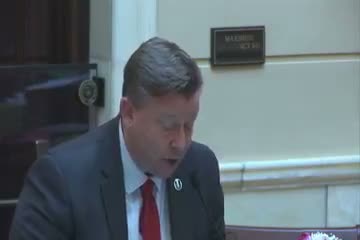
The Utah Senate passed Second Substitute Senate Bill 150 on the floor after extended discussion of amendments and stakeholder input. Sponsor remarks described the second substitute as a negotiated compromise that incorporates uncodified “whereas” language intended to signal legislative intent and to reassure stakeholders the bill is not intended to undo past compromises on housing or other statutes.
During floor exchanges senators sought clarification about how the uncodified whereas clauses would be treated in the code and what is meant by the legal phrase “under color of state law.” The sponsor offered an explanatory example — that a private actor empowered to carry out government functions (for example, a guard in a privately run prison) could act “under color of state law” — to illustrate who might be covered. The sponsor also emphasized stakeholder involvement, including Salt Lake City attorneys and civil-rights groups, and characterized the measure as intended to preserve the strongest constitutional standard for evaluating government actions that substantially burden sincerely held religious beliefs.
Proponents framed the bill as protecting religious minorities’ ability to observe practices (citing examples such as Sabbath observance) while counsel noted some language would be placed in an uncodified section to reflect intent rather than create operative law. After comments and a motion to pass, the Senate recorded a roll-call vote: Second Substitute Senate Bill 150 passed by a recorded vote of 27–0 with 2 absent and will be sent to the House for consideration.
Floor speakers repeatedly described the bill as stakeholder-driven and sought to reassure colleagues that it would not upend existing civil-rights protections. No amendments to the final passage were recorded on the floor beyond the substituted text already offered.
During floor exchanges senators sought clarification about how the uncodified whereas clauses would be treated in the code and what is meant by the legal phrase “under color of state law.” The sponsor offered an explanatory example — that a private actor empowered to carry out government functions (for example, a guard in a privately run prison) could act “under color of state law” — to illustrate who might be covered. The sponsor also emphasized stakeholder involvement, including Salt Lake City attorneys and civil-rights groups, and characterized the measure as intended to preserve the strongest constitutional standard for evaluating government actions that substantially burden sincerely held religious beliefs.
Proponents framed the bill as protecting religious minorities’ ability to observe practices (citing examples such as Sabbath observance) while counsel noted some language would be placed in an uncodified section to reflect intent rather than create operative law. After comments and a motion to pass, the Senate recorded a roll-call vote: Second Substitute Senate Bill 150 passed by a recorded vote of 27–0 with 2 absent and will be sent to the House for consideration.
Floor speakers repeatedly described the bill as stakeholder-driven and sought to reassure colleagues that it would not upend existing civil-rights protections. No amendments to the final passage were recorded on the floor beyond the substituted text already offered.
View the Full Meeting & All Its Details
This article offers just a summary. Unlock complete video, transcripts, and insights as a Founder Member.
✓
Watch full, unedited meeting videos
✓
Search every word spoken in unlimited transcripts
✓
AI summaries & real-time alerts (all government levels)
✓
Permanent access to expanding government content
30-day money-back guarantee
