Senate rejects early end to ranked‑choice voting pilot, 12–15
February 29, 2024 | 2024 Utah Legislature, Utah Legislature, Utah Legislative Branch, Utah
This article was created by AI summarizing key points discussed. AI makes mistakes, so for full details and context, please refer to the video of the full meeting. Please report any errors so we can fix them. Report an error »
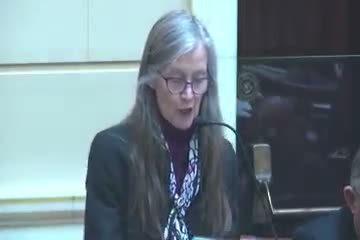
A motion to end Utah’s ranked‑choice voting pilot program early failed in the Senate on Feb. 29, 2024, after senators debated whether pilot results show voter confusion or whether local jurisdictions had implemented the process successfully. Senator Milner moved to uncircle House Bill 290 to sunset the pilot two years ahead of schedule; supporters said ballot‑marking errors and high rates of spoiled ballots in prior cycles justified ending the pilot. Opponents — including senators representing cities where the pilot ran — argued data from completed cycles and local outreach warranted letting the pilot complete its scheduled term.
Senator McKell, who spoke against the repeal, said some Utah cities had saved money and had positive experiences and asked for more time to analyze results. Senator Thatcher raised a concern about ballot spoilage in some races, arguing that under ranked choice a greater proportion of ballots were invalidated in the first round in at least one recent contest. The Senate recorded a roll‑call vote of 12 yeas, 15 nays and 2 absent, and the motion failed; the bill will be returned to the House for filing.
The debate highlighted a core divide: whether election method pilots should be allowed to complete their timelines to produce usable data, or whether observed problems in implementations warrant an early legislative response. There was no amendment adopted to the motion; the failed vote leaves the pilot in place under current law.
Senator McKell, who spoke against the repeal, said some Utah cities had saved money and had positive experiences and asked for more time to analyze results. Senator Thatcher raised a concern about ballot spoilage in some races, arguing that under ranked choice a greater proportion of ballots were invalidated in the first round in at least one recent contest. The Senate recorded a roll‑call vote of 12 yeas, 15 nays and 2 absent, and the motion failed; the bill will be returned to the House for filing.
The debate highlighted a core divide: whether election method pilots should be allowed to complete their timelines to produce usable data, or whether observed problems in implementations warrant an early legislative response. There was no amendment adopted to the motion; the failed vote leaves the pilot in place under current law.
Don't Miss a Word: See the Full Meeting!
Go beyond summaries. Unlock every video, transcript, and key insight with a Founder Membership.
✓
Get instant access to full meeting videos
✓
Search and clip any phrase from complete transcripts
✓
Receive AI-powered summaries & custom alerts
✓
Enjoy lifetime, unrestricted access to government data
30-day money-back guarantee
