Utah Senate passes bill restricting some transgender medical treatments for minors after heated debate
January 20, 2023 | 2023 Utah Legislature, Utah Legislature, Utah Legislative Branch, Utah
This article was created by AI summarizing key points discussed. AI makes mistakes, so for full details and context, please refer to the video of the full meeting. Please report any errors so we can fix them. Report an error »
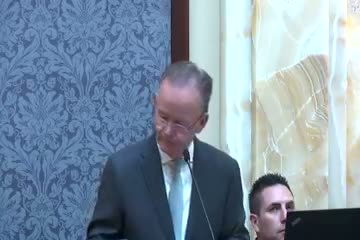
SALT LAKE CITY — The Utah State Senate on Friday approved first substitute Senate Bill 16, a measure that sponsors described as banning certain transgender surgeries for minors, imposing a moratorium on new starts of puberty blockers and cross-sex hormones for minors, and adding regulatory oversight and an extended malpractice statute of limitations. The bill passed on a roll call vote and will be sent to the House for consideration.
Senator Michael J. Kennedy, sponsor of the bill, told the chamber the measure creates a regulatory framework to ensure “vulnerable individuals will receive exceptional care by people that are credentialed and that actually have state oversight into the quality of that care.” He described elements of the bill as protections tied to provider credentials and state oversight.
Supporters framed the bill as regulatory, but opponents described it as harmful. An emotional floor statement read by Senator Bluen from an intern identified as Ari said the bill had already “negatively impacted my health and well-being” and that starting hormones and surgery had been lifesaving for that speaker. Ari concluded, “I vote no.”
Senator Plumb, who identified herself as a physician and pediatric practitioner, said the proposal was an unusual intervention by the legislature into clinical care and that clinicians, families and multidisciplinary teams usually decide appropriate care. “I have never seen legislation passed on any other treatment that I provide care for for kiddos,” she said, and added that she would vote no.
Senator Kwan, who said she is affiliated with the American Psychological Association and cited statements from major medical organizations, said the American Medical Association has described these types of laws as “the dangerous intrusion of government and the criminalization of health care, doctors,” and said that professional guidance weighed on her decision to vote no.
Senator Thatcher argued the measure raised constitutional questions and likened the issue to other difficult medical choices, saying some treatments that are painful or risky remain the best care in specific circumstances. Thatcher said she could not support the bill on constitutional grounds and voted no.
Senator Kennedy summarized by saying the legislature must make choices amid differing opinions and limited resources and argued the bill’s oversight provisions were necessary. After recorded explanations of votes from several senators, the Senate reported the result: 21 yay, 7 nay, 1 absent; the bill passed and will be transmitted to the House.
What the bill does and next steps
The sponsor described the bill as banning transgender surgeries for minors, pausing new initiation of puberty blockers and cross-sex hormones for minors, adding a regulatory framework for providers in this area, and extending the malpractice statute-of-limitations window to age 25. Senators emphasized differing rationales: some highlighted professional and constitutional concerns; others emphasized regulatory clarity and oversight. The Senate vote advances the measure to the House, where further consideration awaits.
Who spoke
Key floor voices included sponsor Senator Michael J. Kennedy; Senator Plumb, who said as a practicing pediatric physician she opposed legislating specific treatments; Senator Bluen (who read a personal statement by an intern, Ari); Senator Kwan, who cited medical associations; and Senator Thatcher, who raised constitutional objections. The transcript records multiple senators explaining their votes and emotional appeals from those opposing the bill.
The record shows the Senate moved the bill forward despite vigorous objections and testimony on the floor. The matter now moves to the House, which must take its own action before any change in law becomes effective.
Senator Michael J. Kennedy, sponsor of the bill, told the chamber the measure creates a regulatory framework to ensure “vulnerable individuals will receive exceptional care by people that are credentialed and that actually have state oversight into the quality of that care.” He described elements of the bill as protections tied to provider credentials and state oversight.
Supporters framed the bill as regulatory, but opponents described it as harmful. An emotional floor statement read by Senator Bluen from an intern identified as Ari said the bill had already “negatively impacted my health and well-being” and that starting hormones and surgery had been lifesaving for that speaker. Ari concluded, “I vote no.”
Senator Plumb, who identified herself as a physician and pediatric practitioner, said the proposal was an unusual intervention by the legislature into clinical care and that clinicians, families and multidisciplinary teams usually decide appropriate care. “I have never seen legislation passed on any other treatment that I provide care for for kiddos,” she said, and added that she would vote no.
Senator Kwan, who said she is affiliated with the American Psychological Association and cited statements from major medical organizations, said the American Medical Association has described these types of laws as “the dangerous intrusion of government and the criminalization of health care, doctors,” and said that professional guidance weighed on her decision to vote no.
Senator Thatcher argued the measure raised constitutional questions and likened the issue to other difficult medical choices, saying some treatments that are painful or risky remain the best care in specific circumstances. Thatcher said she could not support the bill on constitutional grounds and voted no.
Senator Kennedy summarized by saying the legislature must make choices amid differing opinions and limited resources and argued the bill’s oversight provisions were necessary. After recorded explanations of votes from several senators, the Senate reported the result: 21 yay, 7 nay, 1 absent; the bill passed and will be transmitted to the House.
What the bill does and next steps
The sponsor described the bill as banning transgender surgeries for minors, pausing new initiation of puberty blockers and cross-sex hormones for minors, adding a regulatory framework for providers in this area, and extending the malpractice statute-of-limitations window to age 25. Senators emphasized differing rationales: some highlighted professional and constitutional concerns; others emphasized regulatory clarity and oversight. The Senate vote advances the measure to the House, where further consideration awaits.
Who spoke
Key floor voices included sponsor Senator Michael J. Kennedy; Senator Plumb, who said as a practicing pediatric physician she opposed legislating specific treatments; Senator Bluen (who read a personal statement by an intern, Ari); Senator Kwan, who cited medical associations; and Senator Thatcher, who raised constitutional objections. The transcript records multiple senators explaining their votes and emotional appeals from those opposing the bill.
The record shows the Senate moved the bill forward despite vigorous objections and testimony on the floor. The matter now moves to the House, which must take its own action before any change in law becomes effective.
Don't Miss a Word: See the Full Meeting!
Go beyond summaries. Unlock every video, transcript, and key insight with a Founder Membership.
✓
Get instant access to full meeting videos
✓
Search and clip any phrase from complete transcripts
✓
Receive AI-powered summaries & custom alerts
✓
Enjoy lifetime, unrestricted access to government data
30-day money-back guarantee
