Utah Senate advances dozens of bills in Feb. 23 floor session, assigns measures to committees
February 23, 2023 | 2023 Utah Legislature, Utah Legislature, Utah Legislative Branch, Utah
This article was created by AI summarizing key points discussed. AI makes mistakes, so for full details and context, please refer to the video of the full meeting. Please report any errors so we can fix them. Report an error »
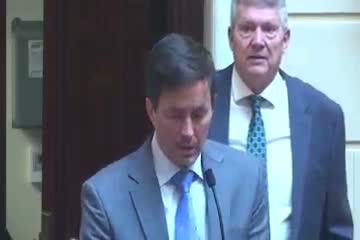
The Utah Senate on Feb. 23 moved dozens of bills through committee assignment and third‑reading votes, approved a rules‑committee report sending multiple measures to standing committees, and recorded roll‑call passage of several substituted bills.
The session began with the Rules Committee report by Chair David Buxton, which recommended assignment of bills including SB278 (cannabis business tax credit amendments), HB329 (adult event permit amendments) and HB450 (landscaping requirements) to relevant standing committees. The Senate adopted the Rules Committee report by roll‑up motion, sending the listed bills to the committees as read.
Throughout the afternoon the Senate read numerous bills for the first time and moved many House substitutes through second and third readings. Notable floor actions included third readings and passage (by roll-call) of bills such as:
- First substitute House Bill 314 (remedies for victims of domestic violence), which cleared third reading with 21 yay votes, 0 nay votes and 8 absent; sponsors said the bill narrows termination requirements tied to domestic‑violence protections and requires court orders or police reports in non-domestic‑violence terminations.
- House Bill 376 (cosmetologist regulation modifications), which removes licensing requirements for unpaid charitable hairstyling in certain settings and passed on third reading (record later indicated 22‑0 in favor, 7 absent).
- First substitute Senate Bill 171 (health care practitioner liability amendments), where the Senate adopted a first substitute narrowing prior language that had provided broad immunity. The substitute creates a structured statutory defense if a health care provider documents a deviation from usual medical practice, provides pre‑treatment written notice, documents rationale and secures informed agreement, among other procedural requirements; the bill advanced toward third reading following sponsor explanation and floor debate.
Floor presenters also described policy aims for several other bills: HB199 (voluntary firearms safekeeping) updates return procedures when firearms are surrendered; HB247 (alcohol control amendments) clarifies definitions and evidence retention for over‑service investigations; HB370 (utility infrastructure amendments) expands definitions and penalties for attacks on critical infrastructure; and HB371 (working farm and ranch protection fund) was amended to preserve the historical LeRay McAllister name and add restrictions to prevent state funds from inflating land markets via tax‑exchange purchases.
Several measures were “circled” (held) or tabled pending fiscal notes, and sponsors used substitute language to address concerns raised in committees—for example, HB209 (student participation in extracurricular activities) was substituted to avoid excluding students without birth certificates (including some refugees and homeless students) and later tabled until fiscal information is available.
The Senate concluded its afternoon business with additional uncircling and substitution motions, and adjourned until 10 a.m. the following day.
Votes at a glance: first substitute HB 314 — read a third time (21‑0‑8 absent); HB 376 — read a third time (22‑0‑7 absent); first substitute SB 171 — substituted, advanced; HB 199 — read a third time (23‑0‑6 absent); HB 371 (fourth substitute) — read a third time (23‑0‑6 absent).
The session began with the Rules Committee report by Chair David Buxton, which recommended assignment of bills including SB278 (cannabis business tax credit amendments), HB329 (adult event permit amendments) and HB450 (landscaping requirements) to relevant standing committees. The Senate adopted the Rules Committee report by roll‑up motion, sending the listed bills to the committees as read.
Throughout the afternoon the Senate read numerous bills for the first time and moved many House substitutes through second and third readings. Notable floor actions included third readings and passage (by roll-call) of bills such as:
- First substitute House Bill 314 (remedies for victims of domestic violence), which cleared third reading with 21 yay votes, 0 nay votes and 8 absent; sponsors said the bill narrows termination requirements tied to domestic‑violence protections and requires court orders or police reports in non-domestic‑violence terminations.
- House Bill 376 (cosmetologist regulation modifications), which removes licensing requirements for unpaid charitable hairstyling in certain settings and passed on third reading (record later indicated 22‑0 in favor, 7 absent).
- First substitute Senate Bill 171 (health care practitioner liability amendments), where the Senate adopted a first substitute narrowing prior language that had provided broad immunity. The substitute creates a structured statutory defense if a health care provider documents a deviation from usual medical practice, provides pre‑treatment written notice, documents rationale and secures informed agreement, among other procedural requirements; the bill advanced toward third reading following sponsor explanation and floor debate.
Floor presenters also described policy aims for several other bills: HB199 (voluntary firearms safekeeping) updates return procedures when firearms are surrendered; HB247 (alcohol control amendments) clarifies definitions and evidence retention for over‑service investigations; HB370 (utility infrastructure amendments) expands definitions and penalties for attacks on critical infrastructure; and HB371 (working farm and ranch protection fund) was amended to preserve the historical LeRay McAllister name and add restrictions to prevent state funds from inflating land markets via tax‑exchange purchases.
Several measures were “circled” (held) or tabled pending fiscal notes, and sponsors used substitute language to address concerns raised in committees—for example, HB209 (student participation in extracurricular activities) was substituted to avoid excluding students without birth certificates (including some refugees and homeless students) and later tabled until fiscal information is available.
The Senate concluded its afternoon business with additional uncircling and substitution motions, and adjourned until 10 a.m. the following day.
Votes at a glance: first substitute HB 314 — read a third time (21‑0‑8 absent); HB 376 — read a third time (22‑0‑7 absent); first substitute SB 171 — substituted, advanced; HB 199 — read a third time (23‑0‑6 absent); HB 371 (fourth substitute) — read a third time (23‑0‑6 absent).
Don't Miss a Word: See the Full Meeting!
Go beyond summaries. Unlock every video, transcript, and key insight with a Founder Membership.
✓
Get instant access to full meeting videos
✓
Search and clip any phrase from complete transcripts
✓
Receive AI-powered summaries & custom alerts
✓
Enjoy lifetime, unrestricted access to government data
30-day money-back guarantee
