Senate rejects bill creating drug-induced homicide offense after extended debate
February 24, 2023 | 2023 Utah Legislature, Utah Legislature, Utah Legislative Branch, Utah
This article was created by AI summarizing key points discussed. AI makes mistakes, so for full details and context, please refer to the video of the full meeting. Please report any errors so we can fix them. Report an error »
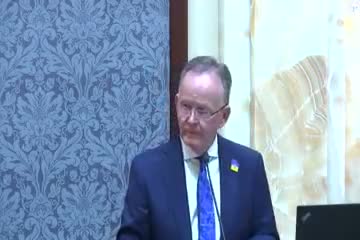
A proposed new criminal offense to hold drug sellers accountable when a user fatally overdoses failed on the Utah Senate floor after extensive debate.
Senator Weiler, the bill sponsor, said prosecutors asked for the change in response to a surge in fentanyl deaths. He presented a first substitute that removed broader "contributed to" language and narrowed culpability to those who "cause" a death. "So what this bill does is it says... if you're selling fentanyl or... another opioid and somebody dies that you can be charged with... a drug induced homicide," the sponsor said on the floor.
Opponents, including Senator Plumb, warned the statute would deter witnesses and bystanders from calling for emergency medical help, potentially increasing overdose deaths. Plumb, who recounted losing a brother to overdose, told colleagues that passage of similar laws in other states coincided with measurable increases in overdose death rates. "This bill will kill people," she said.
Other senators raised concerns about charging individuals without intent to kill and about the bill's reach across supply chains; Senator Fillmore warned the measure risked criminalizing those with no intent to kill and questioned the fairness of absolving someone who ingests the drug.
Sponsor Weiler said committee feedback led to substantive changes and insisted the substitute targets dealers rather than casual or dependent users. He also argued the change could encourage those involved in distribution chains to take steps to avoid fatal outcomes.
On final floor action the first substitute for SB254 failed, with the roll-call recorded as 3 yeas, 21 nays and 5 absent. The presiding officer directed the measure to staff for filing, concluding the bill will not advance from the Senate this session.
What happened next: The first substitute failed on the floor and the bill was filed in staff records; proponents and opponents described sharply different views on whether criminalization will reduce harm or discourage life-saving 911 calls.
Next steps: Because the bill failed on a floor vote, it will not proceed to the House. Sponsors and stakeholders may consider revisions or pursue other legislative or prosecutorial avenues.
Senator Weiler, the bill sponsor, said prosecutors asked for the change in response to a surge in fentanyl deaths. He presented a first substitute that removed broader "contributed to" language and narrowed culpability to those who "cause" a death. "So what this bill does is it says... if you're selling fentanyl or... another opioid and somebody dies that you can be charged with... a drug induced homicide," the sponsor said on the floor.
Opponents, including Senator Plumb, warned the statute would deter witnesses and bystanders from calling for emergency medical help, potentially increasing overdose deaths. Plumb, who recounted losing a brother to overdose, told colleagues that passage of similar laws in other states coincided with measurable increases in overdose death rates. "This bill will kill people," she said.
Other senators raised concerns about charging individuals without intent to kill and about the bill's reach across supply chains; Senator Fillmore warned the measure risked criminalizing those with no intent to kill and questioned the fairness of absolving someone who ingests the drug.
Sponsor Weiler said committee feedback led to substantive changes and insisted the substitute targets dealers rather than casual or dependent users. He also argued the change could encourage those involved in distribution chains to take steps to avoid fatal outcomes.
On final floor action the first substitute for SB254 failed, with the roll-call recorded as 3 yeas, 21 nays and 5 absent. The presiding officer directed the measure to staff for filing, concluding the bill will not advance from the Senate this session.
What happened next: The first substitute failed on the floor and the bill was filed in staff records; proponents and opponents described sharply different views on whether criminalization will reduce harm or discourage life-saving 911 calls.
Next steps: Because the bill failed on a floor vote, it will not proceed to the House. Sponsors and stakeholders may consider revisions or pursue other legislative or prosecutorial avenues.
Don't Miss a Word: See the Full Meeting!
Go beyond summaries. Unlock every video, transcript, and key insight with a Founder Membership.
✓
Get instant access to full meeting videos
✓
Search and clip any phrase from complete transcripts
✓
Receive AI-powered summaries & custom alerts
✓
Enjoy lifetime, unrestricted access to government data
30-day money-back guarantee
