Senate advances paired medical cannabis bills addressing Delta‑8, testing, caregivers and school access
February 17, 2022 | 2022 Utah Legislature, Utah Legislature, Utah Legislative Branch, Utah
This article was created by AI summarizing key points discussed. AI makes mistakes, so for full details and context, please refer to the video of the full meeting. Please report any errors so we can fix them. Report an error »
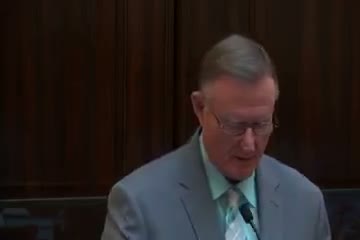
Senator Vickers and Senator Escamilla led extended floor presentations and debate on two companion measures to refine Utah's medical cannabis program. Key sponsor points included reclassifying Delta‑8 products into the medical program, requiring identification of cannabinoids in product testing, clarifying that licenses are not commodities in a sale, restricting certain product forms (saying drinks should not be allowed under FDA food rules), and establishing staffing, training and background‑check protocols for medical cannabis pharmacy agents.
On workplace and first responders, sponsors said the bills would permit medical cannabis patients to be first responders but prohibit use within 12 hours of going on shift, aligning with safety concerns and federal restrictions on weapons possession after recent use. On schools, Senator Escamilla said the change "would only allow...when the principal agrees" that a parent or designated caregiver may administer a child's medically authorized dose on campus; she emphasized that "a child cannot carry that" and that the dose would remain in caregiver possession or be stored and administered per school procedures.
The chamber adopted a sponsor amendment clarifying that schools are not being asked to accept routine deliveries and that transport must be tied to dispensing for a named student. First Substitute SB190 was recorded as advancing on a roll call (clerk recorded 24 yeas, 3 nays, 2 absent). The transcript records First Substitute SB195 as advanced to third reading but includes inconsistent language in the recorded tally; the bill was amended on the floor to clarify school‑related provisions before being ordered to third reading.
On workplace and first responders, sponsors said the bills would permit medical cannabis patients to be first responders but prohibit use within 12 hours of going on shift, aligning with safety concerns and federal restrictions on weapons possession after recent use. On schools, Senator Escamilla said the change "would only allow...when the principal agrees" that a parent or designated caregiver may administer a child's medically authorized dose on campus; she emphasized that "a child cannot carry that" and that the dose would remain in caregiver possession or be stored and administered per school procedures.
The chamber adopted a sponsor amendment clarifying that schools are not being asked to accept routine deliveries and that transport must be tied to dispensing for a named student. First Substitute SB190 was recorded as advancing on a roll call (clerk recorded 24 yeas, 3 nays, 2 absent). The transcript records First Substitute SB195 as advanced to third reading but includes inconsistent language in the recorded tally; the bill was amended on the floor to clarify school‑related provisions before being ordered to third reading.
View the Full Meeting & All Its Details
This article offers just a summary. Unlock complete video, transcripts, and insights as a Founder Member.
✓
Watch full, unedited meeting videos
✓
Search every word spoken in unlimited transcripts
✓
AI summaries & real-time alerts (all government levels)
✓
Permanent access to expanding government content
30-day money-back guarantee
