Senate passes substitute bill to expand homeless services, add grantmaking and casework oversight
February 25, 2022 | 2022 Utah Legislature, Utah Legislature, Utah Legislative Branch, Utah
This article was created by AI summarizing key points discussed. AI makes mistakes, so for full details and context, please refer to the video of the full meeting. Please report any errors so we can fix them. Report an error »
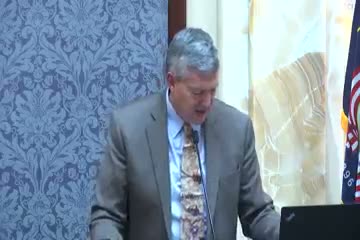
Salt Lake City — The Utah Senate passed First Substitute Senate Bill 238 on third reading after extended floor debate over how the state should address chronic homelessness. Sponsor Sen. Anderegg said the bill creates a grant‑making process through the Homeless Coordinating Council to fund housing projects paired with sustained casework and wraparound services intended to stabilize chronically homeless people.
"Where we have been good in the past but not great is that we have failed to always properly align the casework associated with this," Sen. Anderegg said, arguing the bill will ensure providers deliver ongoing case management alongside housing. The sponsor said the measure is designed to steer federal, state, local and philanthropic dollars into programs that tie permanent supportive housing to case workers and clinical services.
Sen. Kitchen and other senators asked whether the bill closes roughly a reported 3,200‑unit gap in permanent supportive housing. Sen. Anderegg said the measure aims to make meaningful investments in permanent supportive housing, behavioral‑health and substance‑use treatment and that the coordinating council will measure outcomes and report on results in the coming year.
The sponsor described the bill as targeting the majority of people experiencing non‑permanent homelessness with casework that helps people move to stable housing. "If done properly, we will process individuals that we find quite literally in some of these camps and identify what their issues are, get them into a permanent assisted situation," Sen. Anderegg said.
The Senate approved the first substitute S.B. 238 on roll call; the clerk recorded 27 yes, 1 no and 1 absent. The bill will proceed to the House for consideration.
Supporters framed the bill as a pragmatic, data‑driven attempt to reduce visible encampments and chronic homelessness by funding housing plus services; questions on the floor focused on how many units would be delivered and how the state will measure long‑term outcomes. The bill includes grant requirements intended to align clinical and casework services with housing placements, and sponsors said the Homeless Coordinating Council will oversee reporting and measurement.
Next steps: S.B. 238 will be sent to the House for further consideration and any required appropriations.
"Where we have been good in the past but not great is that we have failed to always properly align the casework associated with this," Sen. Anderegg said, arguing the bill will ensure providers deliver ongoing case management alongside housing. The sponsor said the measure is designed to steer federal, state, local and philanthropic dollars into programs that tie permanent supportive housing to case workers and clinical services.
Sen. Kitchen and other senators asked whether the bill closes roughly a reported 3,200‑unit gap in permanent supportive housing. Sen. Anderegg said the measure aims to make meaningful investments in permanent supportive housing, behavioral‑health and substance‑use treatment and that the coordinating council will measure outcomes and report on results in the coming year.
The sponsor described the bill as targeting the majority of people experiencing non‑permanent homelessness with casework that helps people move to stable housing. "If done properly, we will process individuals that we find quite literally in some of these camps and identify what their issues are, get them into a permanent assisted situation," Sen. Anderegg said.
The Senate approved the first substitute S.B. 238 on roll call; the clerk recorded 27 yes, 1 no and 1 absent. The bill will proceed to the House for consideration.
Supporters framed the bill as a pragmatic, data‑driven attempt to reduce visible encampments and chronic homelessness by funding housing plus services; questions on the floor focused on how many units would be delivered and how the state will measure long‑term outcomes. The bill includes grant requirements intended to align clinical and casework services with housing placements, and sponsors said the Homeless Coordinating Council will oversee reporting and measurement.
Next steps: S.B. 238 will be sent to the House for further consideration and any required appropriations.
Don't Miss a Word: See the Full Meeting!
Go beyond summaries. Unlock every video, transcript, and key insight with a Founder Membership.
✓
Get instant access to full meeting videos
✓
Search and clip any phrase from complete transcripts
✓
Receive AI-powered summaries & custom alerts
✓
Enjoy lifetime, unrestricted access to government data
30-day money-back guarantee
