Utah Senate approves bill tightening review of 'sensitive' school library materials after extended debate
March 04, 2022 | 2022 Utah Legislature, Utah Legislature, Utah Legislative Branch, Utah
This article was created by AI summarizing key points discussed. AI makes mistakes, so for full details and context, please refer to the video of the full meeting. Please report any errors so we can fix them. Report an error »
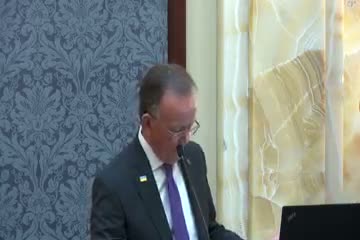
Senators passed House Bill 3 74 after extended debate about whether it creates a transparent review process for library books or amounts to de facto censorship.
Sponsor Senator Wyler said the bill applies criminal-code definitions for material harmful to minors to school library holdings, exempts approved health curriculum and medical courses, and requires the State Board of Education to consult with the Attorney General and to provide guidance and training to schools. "This is not about banning books. It's about a good process," Wyler said on the floor.
The measure requires local education agencies to include parents "who are reflective of the members of the community" on review panels and directs reporting to the education interim committee by the November interim meeting on rules and practices to implement the law. The sponsor and supporters told senators it is intended to give school administrators a clear process for handling parent complaints and to align library review with long-standing statutory definitions.
Opponents and some educators warned the bill could chill instruction and divide communities. Senator Iwamoto said he worried about "the sterilization of our curriculum" and about creating more divisions among parents. Senator Riebe, representing classroom concerns, asked whether the measure would impede teachers from introducing current or innovative instructional materials; the sponsor replied the bill is aimed at library holdings, not instructional curriculum.
Several senators urged clarity about what the bill points to in statute. Sponsor Wyler repeatedly cited the criminal-code provisions he said already define pornographic or indecent material (referred to on the floor as section 76-10-12 series), and said the bill points schools to existing law when assessing library materials. Senator Johnson described repeated parental complaints and said libraries sometimes put books back on shelves after an initial review, adding, "I've seen a number of these books that are in our libraries. They get taken out and then they get put back on the shelves."
Senator Thatcher, who said she had initially intended to vote against the bill, recounted reviewing materials available in junior-high school libraries and said she was "absolutely shocked" by some holdings; she told colleagues the bill does not ban books but seeks a governmental responsibility to students in school-owned libraries. Senator Wyler emphasized that the State Board may exempt items and that the bill preserves some flexibility.
The Senate considered the bill under suspension of the rules and passed the substitute after roll-call. The clerk recorded the passage with several 'nay' votes and absentees; the bill will be returned to the House for further consideration.
Supporters said the bill creates a transparent process for parents and administrators; critics said it risks censoring legitimate historical and instructional works and could splinter local standards. The sponsor and several backers said administrative guidance and the exemption language were added to limit unintended effects.
Next steps: The substitute passed by the Senate will go back to the House for whatever further action the House determines.
Sponsor Senator Wyler said the bill applies criminal-code definitions for material harmful to minors to school library holdings, exempts approved health curriculum and medical courses, and requires the State Board of Education to consult with the Attorney General and to provide guidance and training to schools. "This is not about banning books. It's about a good process," Wyler said on the floor.
The measure requires local education agencies to include parents "who are reflective of the members of the community" on review panels and directs reporting to the education interim committee by the November interim meeting on rules and practices to implement the law. The sponsor and supporters told senators it is intended to give school administrators a clear process for handling parent complaints and to align library review with long-standing statutory definitions.
Opponents and some educators warned the bill could chill instruction and divide communities. Senator Iwamoto said he worried about "the sterilization of our curriculum" and about creating more divisions among parents. Senator Riebe, representing classroom concerns, asked whether the measure would impede teachers from introducing current or innovative instructional materials; the sponsor replied the bill is aimed at library holdings, not instructional curriculum.
Several senators urged clarity about what the bill points to in statute. Sponsor Wyler repeatedly cited the criminal-code provisions he said already define pornographic or indecent material (referred to on the floor as section 76-10-12 series), and said the bill points schools to existing law when assessing library materials. Senator Johnson described repeated parental complaints and said libraries sometimes put books back on shelves after an initial review, adding, "I've seen a number of these books that are in our libraries. They get taken out and then they get put back on the shelves."
Senator Thatcher, who said she had initially intended to vote against the bill, recounted reviewing materials available in junior-high school libraries and said she was "absolutely shocked" by some holdings; she told colleagues the bill does not ban books but seeks a governmental responsibility to students in school-owned libraries. Senator Wyler emphasized that the State Board may exempt items and that the bill preserves some flexibility.
The Senate considered the bill under suspension of the rules and passed the substitute after roll-call. The clerk recorded the passage with several 'nay' votes and absentees; the bill will be returned to the House for further consideration.
Supporters said the bill creates a transparent process for parents and administrators; critics said it risks censoring legitimate historical and instructional works and could splinter local standards. The sponsor and several backers said administrative guidance and the exemption language were added to limit unintended effects.
Next steps: The substitute passed by the Senate will go back to the House for whatever further action the House determines.
Don't Miss a Word: See the Full Meeting!
Go beyond summaries. Unlock every video, transcript, and key insight with a Founder Membership.
✓
Get instant access to full meeting videos
✓
Search and clip any phrase from complete transcripts
✓
Receive AI-powered summaries & custom alerts
✓
Enjoy lifetime, unrestricted access to government data
30-day money-back guarantee
