Senate backs anesthesiologist-assistant licensing bill after questions on training and supervision
February 04, 2022 | 2022 Utah Legislature, Utah Legislature, Utah Legislative Branch, Utah
This article was created by AI summarizing key points discussed. AI makes mistakes, so for full details and context, please refer to the video of the full meeting. Please report any errors so we can fix them. Report an error »
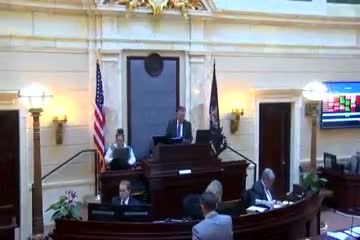
The Utah Senate advanced legislation creating a licensure category for anesthesiologist assistants, with the sponsor arguing the measure addresses workforce shortages and aligns Utah with roughly 17 other states.
Sponsor identified in the floor record as Senator Mikel described the proposal as a policy decision about whether certified anesthesia assistants should be authorized in Utah. He told colleagues the assistants would have a science background, a bachelor’s degree, a master's degree and about 2,600 hours of clinical training. "We have folks that have this licensure. They're qualified," the sponsor said, arguing the state should allow the licensure and that other states have not shown increased harm from the model.
Senator Davis and other senators pressed the sponsor on differences between certified registered nurse anesthetists (CRNAs) and the proposed assistants, and on supervision and deployment across operating rooms. The sponsor stated an anesthesiologist must be on-site and indicated an anesthesiologist could supervise up to four assistants at a time. When asked whether the bill would save insurers or patients money, the sponsor said he did not have data showing savings and that billing codes are likely to remain the same; he emphasized the bill's purpose is to fill open positions and expand access to needed services.
Senator Wyler and others asked whether other states that allow anesthesiologist assistants have documented harms; the sponsor said he had not seen evidence of greater harm and pointed to comparative data and actuary input he had reviewed. Senator Vickers asked whether the change would reduce costs for patients or insurers; the sponsor said cost savings were not evident in the materials he reviewed but framed the bill as an access and workforce measure rather than a cost-cutting step.
After floor debate and roll-call, the clerk recorded the bill as passing its reading (the transcript shows the third-reading announcement at 23 yeas, 3 nays, 3 absent in the clerk's report when the bill was read). The bill now moves to the next steps required for enrollment and implementation by regulatory agencies.
The record of the floor exchange focuses on training standards, supervision rules, and workforce needs rather than immediate cost savings; further rulemaking and administrative guidance will be necessary to set licensing and supervision details if the bill becomes law.
Sponsor identified in the floor record as Senator Mikel described the proposal as a policy decision about whether certified anesthesia assistants should be authorized in Utah. He told colleagues the assistants would have a science background, a bachelor’s degree, a master's degree and about 2,600 hours of clinical training. "We have folks that have this licensure. They're qualified," the sponsor said, arguing the state should allow the licensure and that other states have not shown increased harm from the model.
Senator Davis and other senators pressed the sponsor on differences between certified registered nurse anesthetists (CRNAs) and the proposed assistants, and on supervision and deployment across operating rooms. The sponsor stated an anesthesiologist must be on-site and indicated an anesthesiologist could supervise up to four assistants at a time. When asked whether the bill would save insurers or patients money, the sponsor said he did not have data showing savings and that billing codes are likely to remain the same; he emphasized the bill's purpose is to fill open positions and expand access to needed services.
Senator Wyler and others asked whether other states that allow anesthesiologist assistants have documented harms; the sponsor said he had not seen evidence of greater harm and pointed to comparative data and actuary input he had reviewed. Senator Vickers asked whether the change would reduce costs for patients or insurers; the sponsor said cost savings were not evident in the materials he reviewed but framed the bill as an access and workforce measure rather than a cost-cutting step.
After floor debate and roll-call, the clerk recorded the bill as passing its reading (the transcript shows the third-reading announcement at 23 yeas, 3 nays, 3 absent in the clerk's report when the bill was read). The bill now moves to the next steps required for enrollment and implementation by regulatory agencies.
The record of the floor exchange focuses on training standards, supervision rules, and workforce needs rather than immediate cost savings; further rulemaking and administrative guidance will be necessary to set licensing and supervision details if the bill becomes law.
Don't Miss a Word: See the Full Meeting!
Go beyond summaries. Unlock every video, transcript, and key insight with a Founder Membership.
✓
Get instant access to full meeting videos
✓
Search and clip any phrase from complete transcripts
✓
Receive AI-powered summaries & custom alerts
✓
Enjoy lifetime, unrestricted access to government data
30-day money-back guarantee
