Board of Appeals stalls on taxi medallion revocations, continues two disability‑related cases to Nov. 16
May 11, 2022 | San Francisco City, San Francisco County, California
This article was created by AI summarizing key points discussed. AI makes mistakes, so for full details and context, please refer to the video of the full meeting. Please report any errors so we can fix them. Report an error »
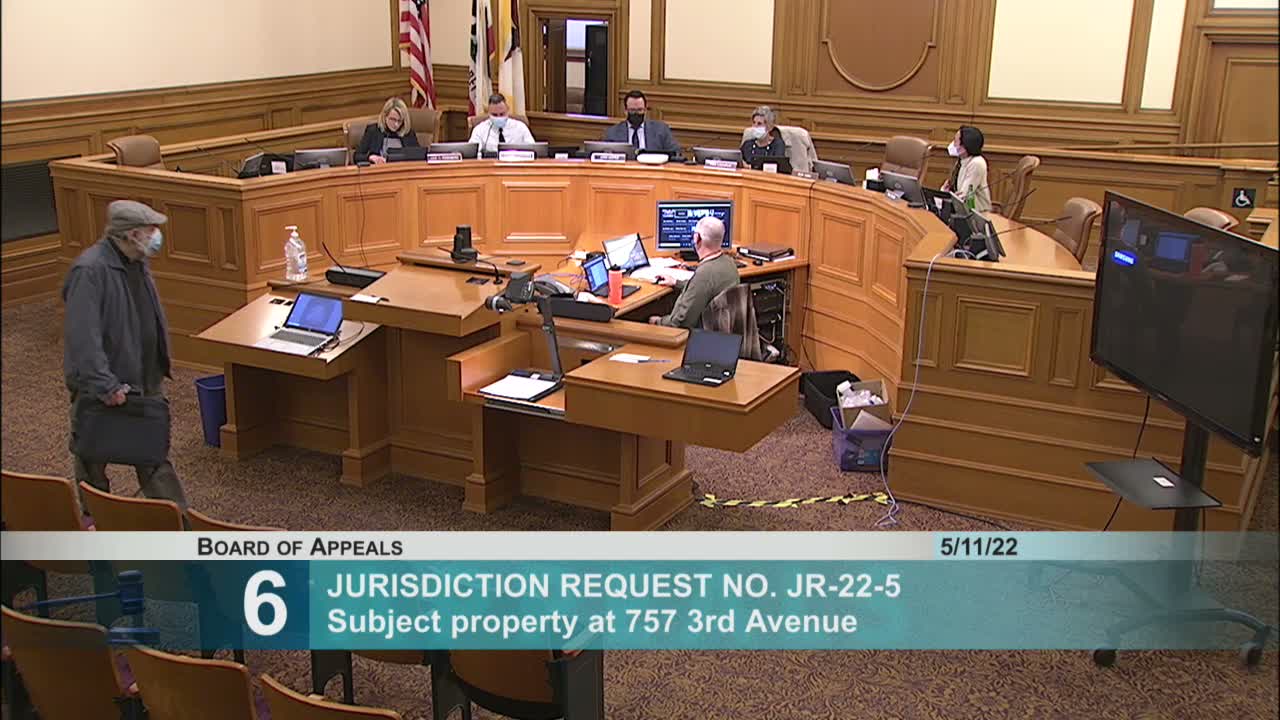
The San Francisco Board of Appeals on May 11 deadlocked on two appeals by long‑time medallion holders and voted to continue both matters to Nov. 16 to allow time for potential policy, legislative or market changes.
Disability and due‑process issues animated public testimony and commissioners’ questions. Appellant George Horbel, who said he can no longer drive, urged the board not to allow the MTA to revoke his medallion. Horbel told commissioners, “To those other people who conspire to take the medallion from a blind man … that’s truly regrettable,” and supporters described decades of service and urged compassion for disabled holders (George Horbel, public remarks).
SFMTA enforcement staff told the board the nonrenewals rest on a clear administrative requirement: a current A‑card and a valid California driver’s license are required to hold or renew certain medallions. Philip Grama, SFMTA enforcement and legal affairs manager, said the agency’s decisions flow from the transportation code and the absence of the required credentials: “Mr. Horbel currently doesn’t have an A‑card and a card is required to maintain a post‑K medallion,” and that formed the basis for the agency’s nonrenewal determination.
Commissioners were split between legal precedent and equitable concerns. President Rick Swig emphasized the board’s duty to “adhere to the legislation and legal precedent” while other commissioners noted confusion in enforcement and urged more time for policy discussion. After failed motions both to deny and to grant relief, Commissioner Jose Lopez moved to continue the Horbel appeal to Nov. 16, citing a need to allow for “changes in conditions that would affect the value of the medallion” — including legislative action, policy changes, or arrangements with ride‑sharing platforms that might improve medallion liquidity. The board approved the continuance 4–0 with agreed caveats and direction that parties provide verbal updates rather than supplemental briefs.
The Cortezos appeal (medallion 753) followed a similar trajectory. Counsel for Mr. Cortezos argued the appellant had relied on prior guidance from SFMTA staff about whether a retained medallion required maintenance of an active A‑card; Mr. McMurdo, representing Cortezos, said his client relied on that guidance. SFMTA reiterated that without an A‑card (and an underlying California license) Cortezos was ineligible for renewal or surrender programs. Commissioners again opted to continue the case to Nov. 16 for the same reasons as Horbel. The continuances carried by unanimous votes.
What happens next: Both appeals are on the board’s calendar for Nov. 16, 2022, with parties directed to report back verbally on any material changes (pending legislation, policy developments, or market changes) that could affect medallion valuation or transfer programs. The board declined to authorize extensive supplemental briefing at this time, preferring a concise update at the next hearing.
Why it matters: The pair of cases highlight a tension between administrative code requirements and community concerns about older, often disabled medallion holders who say they were led to expect different treatment. Any legislative or policy changes pursued over the next six months could alter the practical effect of the board’s eventual decision.
Provenance: Topic first introduced at SEG 1064 and discussed through SEG 1749.
Disability and due‑process issues animated public testimony and commissioners’ questions. Appellant George Horbel, who said he can no longer drive, urged the board not to allow the MTA to revoke his medallion. Horbel told commissioners, “To those other people who conspire to take the medallion from a blind man … that’s truly regrettable,” and supporters described decades of service and urged compassion for disabled holders (George Horbel, public remarks).
SFMTA enforcement staff told the board the nonrenewals rest on a clear administrative requirement: a current A‑card and a valid California driver’s license are required to hold or renew certain medallions. Philip Grama, SFMTA enforcement and legal affairs manager, said the agency’s decisions flow from the transportation code and the absence of the required credentials: “Mr. Horbel currently doesn’t have an A‑card and a card is required to maintain a post‑K medallion,” and that formed the basis for the agency’s nonrenewal determination.
Commissioners were split between legal precedent and equitable concerns. President Rick Swig emphasized the board’s duty to “adhere to the legislation and legal precedent” while other commissioners noted confusion in enforcement and urged more time for policy discussion. After failed motions both to deny and to grant relief, Commissioner Jose Lopez moved to continue the Horbel appeal to Nov. 16, citing a need to allow for “changes in conditions that would affect the value of the medallion” — including legislative action, policy changes, or arrangements with ride‑sharing platforms that might improve medallion liquidity. The board approved the continuance 4–0 with agreed caveats and direction that parties provide verbal updates rather than supplemental briefs.
The Cortezos appeal (medallion 753) followed a similar trajectory. Counsel for Mr. Cortezos argued the appellant had relied on prior guidance from SFMTA staff about whether a retained medallion required maintenance of an active A‑card; Mr. McMurdo, representing Cortezos, said his client relied on that guidance. SFMTA reiterated that without an A‑card (and an underlying California license) Cortezos was ineligible for renewal or surrender programs. Commissioners again opted to continue the case to Nov. 16 for the same reasons as Horbel. The continuances carried by unanimous votes.
What happens next: Both appeals are on the board’s calendar for Nov. 16, 2022, with parties directed to report back verbally on any material changes (pending legislation, policy developments, or market changes) that could affect medallion valuation or transfer programs. The board declined to authorize extensive supplemental briefing at this time, preferring a concise update at the next hearing.
Why it matters: The pair of cases highlight a tension between administrative code requirements and community concerns about older, often disabled medallion holders who say they were led to expect different treatment. Any legislative or policy changes pursued over the next six months could alter the practical effect of the board’s eventual decision.
Provenance: Topic first introduced at SEG 1064 and discussed through SEG 1749.
Don't Miss a Word: See the Full Meeting!
Go beyond summaries. Unlock every video, transcript, and key insight with a Founder Membership.
✓
Get instant access to full meeting videos
✓
Search and clip any phrase from complete transcripts
✓
Receive AI-powered summaries & custom alerts
✓
Enjoy lifetime, unrestricted access to government data
30-day money-back guarantee
