Draft EIR for 2.1M-sf Bayview PDR 'SF Gateway' project draws strong environmental-justice scrutiny and labor support
September 07, 2023 | San Francisco City, San Francisco County, California
This article was created by AI summarizing key points discussed. AI makes mistakes, so for full details and context, please refer to the video of the full meeting. Please report any errors so we can fix them. Report an error »
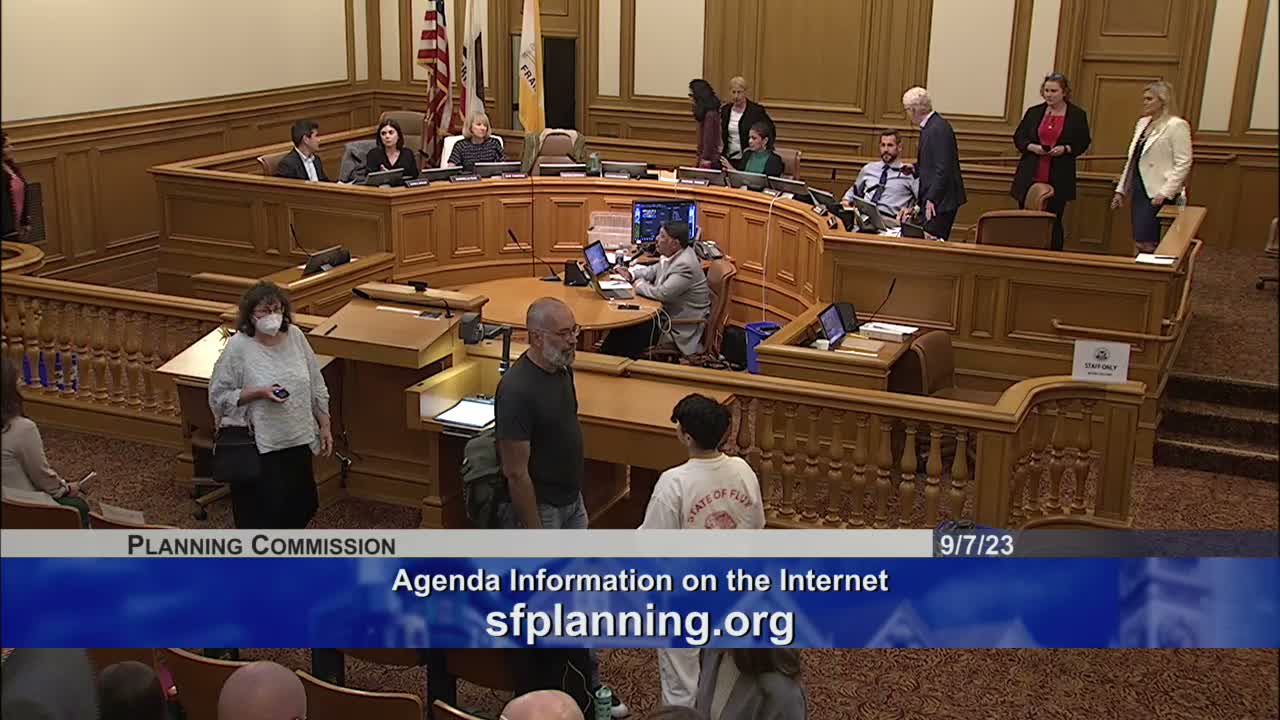
Planning staff and the project sponsor Prologis presented the draft environmental impact report (EIR) for the San Francisco Gateway project during the Sept. 7 Planning Commission hearing. The project would replace four older buildings in a Bayview PDR zone with two multistory buildings totaling roughly 2.1 million square feet, each about 97 feet tall, configured to accommodate a mix of production-distribution-repair (PDR) uses, logistics yards, parking and maker/retail space.
Courtney Bell, director of development at Prologis, described the project as an effort to preserve and expand PDR capacity in San Francisco and to provide modern maker and logistics space. The draft EIR analyzed a tenant use mix that assumes significant truck and heavy-duty vehicle activity; staff said the environmental review found significant operational air-quality impacts (NOx from heavy trucks), wind and some noise impacts as well as potential impacts to paleontological, archaeological and tribal cultural resources. The EIR includes nine mitigation measures for air quality (for example, requiring electric yard equipment and transportation refrigeration units, prohibiting older model-year trucks, and an operational emissions management plan) and states that mitigation would reduce impacts below significance thresholds.
Public comment was sharply divided. Bayview community organizers and residents urged a broader and more inclusive cumulative-impacts analysis, asked that the analysis incorporate CalEnviroScreen-type data and local health baselines (including high asthma and ER visit rates), demanded translations and better notice beyond the standard 300-foot radius, and requested robust community oversight of implementation and local-hire guarantees. Speakers emphasized a long history of environmental contamination in Bayview Hunters Point and argued that an EIR should reflect cumulative exposures and the community’s lived experience.
At the same time, construction-trade unions and building trades representatives voiced conditional support for the draft EIR, noting the project’s commitments to LEED-level construction, electric equipment, stormwater resiliency and apprenticeship and local-hire opportunities. Multiple building trades speakers said the project offers substantial job and training prospects for Bayview residents and urged the commission to work with sponsor and staff on strong community benefits.
Planning staff noted an administrative notice error and extended the public-comment period to Oct. 16, 2023, to ensure adequate outreach. Staff also said they will prepare written responses to all comments and hold an informational hearing before any project approval hearings. The sponsor team confirmed they will return with entitlement materials (special use district, height/bulk amendments and a development agreement) if the project moves forward.
What’s next: The draft EIR comment period closes Oct. 16; staff will compile responses to comments and publish a responses-to-comments document before returning the EIR for certification. The project would later require an SUD and development agreement, and staff said those entitlements will include negotiations on community benefits, local hire and implementation measures.
Courtney Bell, director of development at Prologis, described the project as an effort to preserve and expand PDR capacity in San Francisco and to provide modern maker and logistics space. The draft EIR analyzed a tenant use mix that assumes significant truck and heavy-duty vehicle activity; staff said the environmental review found significant operational air-quality impacts (NOx from heavy trucks), wind and some noise impacts as well as potential impacts to paleontological, archaeological and tribal cultural resources. The EIR includes nine mitigation measures for air quality (for example, requiring electric yard equipment and transportation refrigeration units, prohibiting older model-year trucks, and an operational emissions management plan) and states that mitigation would reduce impacts below significance thresholds.
Public comment was sharply divided. Bayview community organizers and residents urged a broader and more inclusive cumulative-impacts analysis, asked that the analysis incorporate CalEnviroScreen-type data and local health baselines (including high asthma and ER visit rates), demanded translations and better notice beyond the standard 300-foot radius, and requested robust community oversight of implementation and local-hire guarantees. Speakers emphasized a long history of environmental contamination in Bayview Hunters Point and argued that an EIR should reflect cumulative exposures and the community’s lived experience.
At the same time, construction-trade unions and building trades representatives voiced conditional support for the draft EIR, noting the project’s commitments to LEED-level construction, electric equipment, stormwater resiliency and apprenticeship and local-hire opportunities. Multiple building trades speakers said the project offers substantial job and training prospects for Bayview residents and urged the commission to work with sponsor and staff on strong community benefits.
Planning staff noted an administrative notice error and extended the public-comment period to Oct. 16, 2023, to ensure adequate outreach. Staff also said they will prepare written responses to all comments and hold an informational hearing before any project approval hearings. The sponsor team confirmed they will return with entitlement materials (special use district, height/bulk amendments and a development agreement) if the project moves forward.
What’s next: The draft EIR comment period closes Oct. 16; staff will compile responses to comments and publish a responses-to-comments document before returning the EIR for certification. The project would later require an SUD and development agreement, and staff said those entitlements will include negotiations on community benefits, local hire and implementation measures.
Don't Miss a Word: See the Full Meeting!
Go beyond summaries. Unlock every video, transcript, and key insight with a Founder Membership.
✓
Get instant access to full meeting videos
✓
Search and clip any phrase from complete transcripts
✓
Receive AI-powered summaries & custom alerts
✓
Enjoy lifetime, unrestricted access to government data
30-day money-back guarantee
