Ethics commission outlines tighter gift and behested‑payment rules amid federal probe
November 17, 2021 | San Francisco City, San Francisco County, California
This article was created by AI summarizing key points discussed. AI makes mistakes, so for full details and context, please refer to the video of the full meeting. Please report any errors so we can fix them. Report an error »
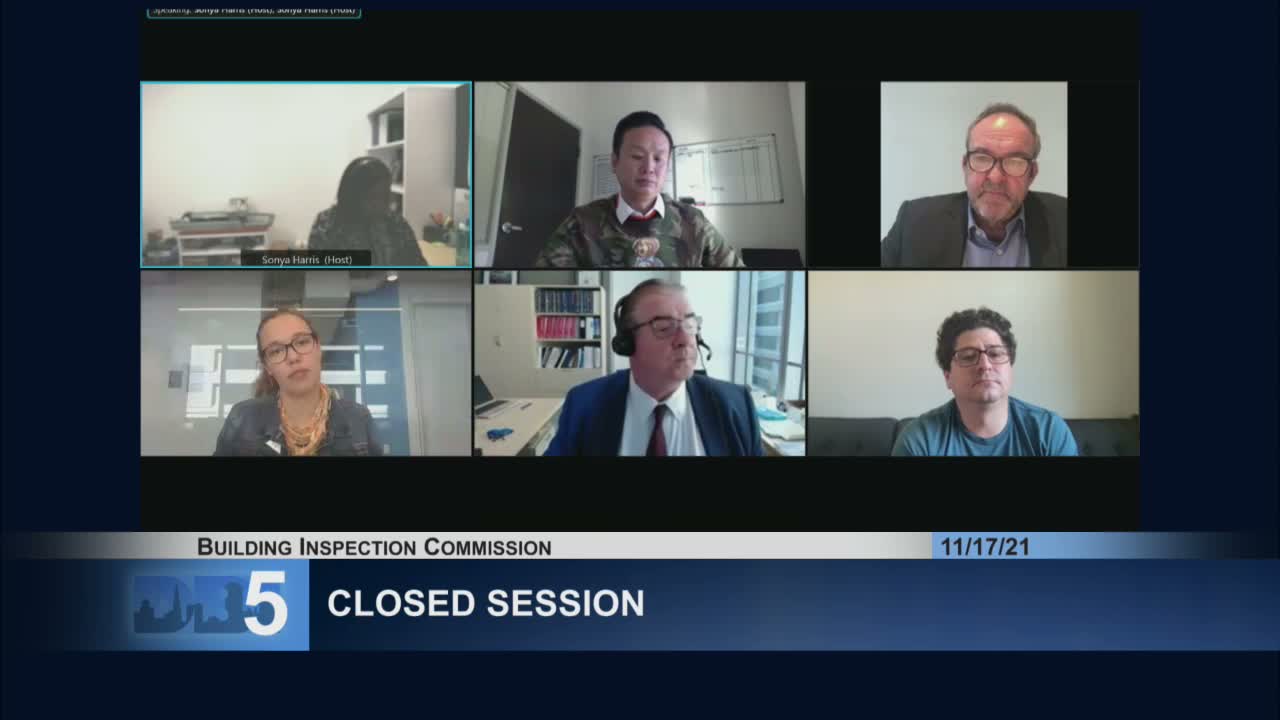
Patrick (Pat) Ford, policy and legislative affairs counsel for the San Francisco Ethics Commission, told the Building Inspection Commission that his office is drafting new local rules to tighten how gifts and behested payments are handled by city officials.
"We have 13 individuals who have been charged," Ford said, summarizing the breadth of the federal corruption investigation and noting that among those charged are "2 city department heads, 2 city employees, and 1 former city commissioner." He said some of the conduct cited in federal complaints involved gifts and payments that undermined public trust.
Ford described a three‑phase project. The first phase targeted behested payments — donations made to third parties at the request of officials — and produced draft legislation now before the Board of Supervisors. The second phase, now the focus, concerns gifts to individuals and to city departments; the third phase will address assorted ethics topics such as bribery and incompatible activity statements.
Key proposals Ford previewed include: defining "gift" within local law rather than relying solely on state definitions that carry many exceptions; applying the restricted‑source rule to gift transactions that pass through intermediaries (departments, nonprofits or relatives) when the source is a restricted entity; expanding the meaning of "doing business" to include permits, licenses and other entitlements so permit applicants and permit expeditors are treated like contractors for gift rules; and extending restricted‑source prohibitions to affiliates and significant shareholders of entities that do business with the city.
Ford said the Ethics Commission also recommends a single, standardized electronic disclosure for gifts to city departments to improve transparency and public access. He offered the Ethics Commission's planned "Ethics at Work" training and concise compliance materials as resources for departments and commissioners.
Commissioners pressed Ford on details, including how many city staff and officials were implicated and how proposed rules would apply to the Department of Building Inspection's (DBI) permit processes. Ford said the Ethics Commission intends to work with departments to tailor rules so they are administrable in day‑to‑day operations and to provide clear, concise guidance that managers and supervisors can use.
The presentation followed controller and district attorney activity and was framed by the Ethics Commission as part of a broader citywide effort to restore public confidence. Ford encouraged commissioners and DBI staff to participate in the drafting process and to request clarifications as needed. "We're always eager to partner with departments," he said.
The commission did not take a formal vote on the Ethics Commission drafts during the meeting. Ford said more materials and reports would be shared with the commission for review and feedback in coming months.
"We have 13 individuals who have been charged," Ford said, summarizing the breadth of the federal corruption investigation and noting that among those charged are "2 city department heads, 2 city employees, and 1 former city commissioner." He said some of the conduct cited in federal complaints involved gifts and payments that undermined public trust.
Ford described a three‑phase project. The first phase targeted behested payments — donations made to third parties at the request of officials — and produced draft legislation now before the Board of Supervisors. The second phase, now the focus, concerns gifts to individuals and to city departments; the third phase will address assorted ethics topics such as bribery and incompatible activity statements.
Key proposals Ford previewed include: defining "gift" within local law rather than relying solely on state definitions that carry many exceptions; applying the restricted‑source rule to gift transactions that pass through intermediaries (departments, nonprofits or relatives) when the source is a restricted entity; expanding the meaning of "doing business" to include permits, licenses and other entitlements so permit applicants and permit expeditors are treated like contractors for gift rules; and extending restricted‑source prohibitions to affiliates and significant shareholders of entities that do business with the city.
Ford said the Ethics Commission also recommends a single, standardized electronic disclosure for gifts to city departments to improve transparency and public access. He offered the Ethics Commission's planned "Ethics at Work" training and concise compliance materials as resources for departments and commissioners.
Commissioners pressed Ford on details, including how many city staff and officials were implicated and how proposed rules would apply to the Department of Building Inspection's (DBI) permit processes. Ford said the Ethics Commission intends to work with departments to tailor rules so they are administrable in day‑to‑day operations and to provide clear, concise guidance that managers and supervisors can use.
The presentation followed controller and district attorney activity and was framed by the Ethics Commission as part of a broader citywide effort to restore public confidence. Ford encouraged commissioners and DBI staff to participate in the drafting process and to request clarifications as needed. "We're always eager to partner with departments," he said.
The commission did not take a formal vote on the Ethics Commission drafts during the meeting. Ford said more materials and reports would be shared with the commission for review and feedback in coming months.
Don't Miss a Word: See the Full Meeting!
Go beyond summaries. Unlock every video, transcript, and key insight with a Founder Membership.
✓
Get instant access to full meeting videos
✓
Search and clip any phrase from complete transcripts
✓
Receive AI-powered summaries & custom alerts
✓
Enjoy lifetime, unrestricted access to government data
30-day money-back guarantee
