Reusable SF Coalition urges San Francisco to adopt on‑site reusable foodware policy
December 06, 2022 | San Francisco City, San Francisco County, California
This article was created by AI summarizing key points discussed. AI makes mistakes, so for full details and context, please refer to the video of the full meeting. Please report any errors so we can fix them. Report an error »
Advocates for a reusable foodware ordinance asked the San Francisco Commission on the Environment on Dec. 6 to back a citywide policy that would require restaurants to serve on‑site diners on real plates, cups and utensils rather than single‑use disposables.
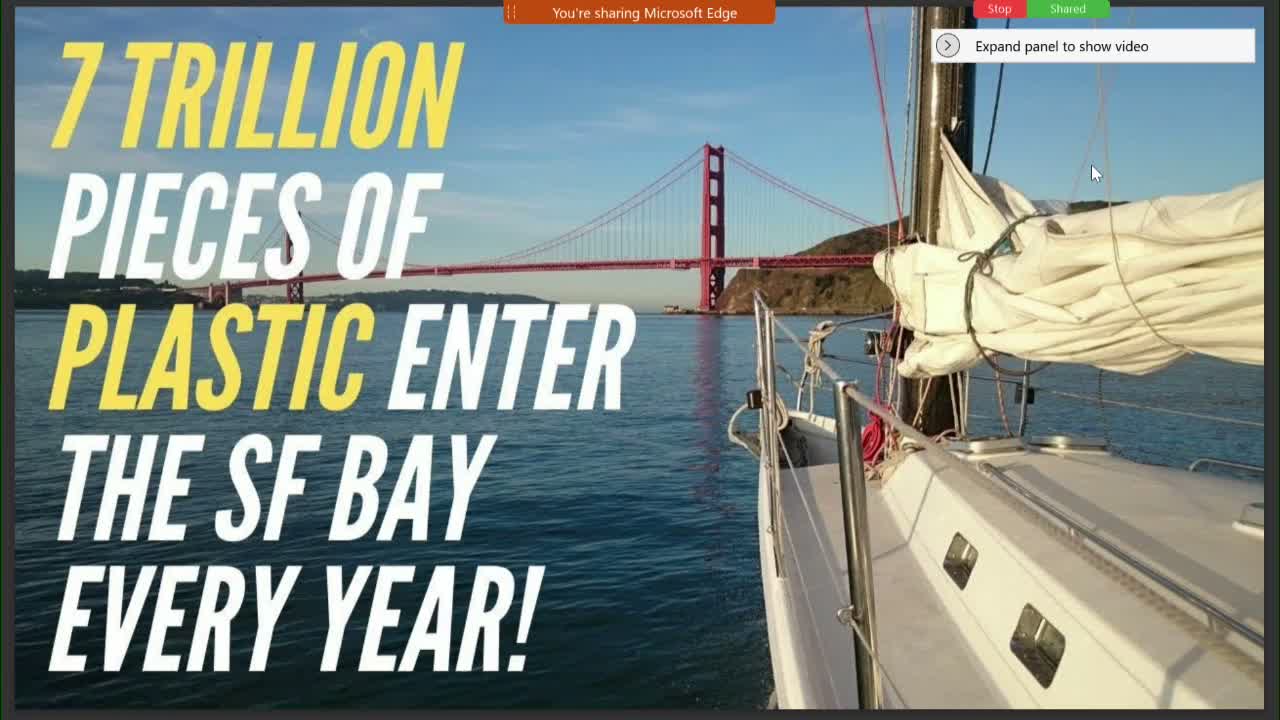
Eva Holman, co‑facilitator of Reusable SF, described coalition findings on microplastics and cited a 2019 study showing the Bay’s microplastic pollution. Miriam Gordon, a reuse consultant, summarized lifecycle analyses that find reusable ceramic, stainless‑steel and glass foodware can have three to ten times lower greenhouse‑gas footprints than disposable paper, plastic or bioplastic cups. Presenters said the coalition seeks a supervisory or mayoral ordinance that would prioritize on‑site reuse and asked the commission to draft a supporting resolution in 2023.
Rethink Disposable and City Department of the Environment staff described local pilots and technical assistance. Presenters cited a small‑business case study (the House of Dim Sum) that they said cost $429 to purchase reusable serviceware and now saves an estimated $33,000 a year while avoiding roughly 7.2 tons of single‑use waste annually. Department staff described an outreach program that provided $300–$600 in support per business, surveyed earlier participants (43 of 80 surveyed so far), and reported that about 90% of businesses are still using program‑purchased reusables and that over three‑quarters of surveyed businesses would support a policy requiring on‑site reusables.
Commissioner Hunter said she supports drafting a resolution urging the Board of Supervisors or mayor to pursue an ordinance; other commissioners urged work through the policy committee to draft language and consult small‑business stakeholders. Staff clarified that the current proposal excludes cup‑and‑container charges that had been included in earlier drafts.
During public comment, speakers including Ben Schleifer (Center for Environmental Health), community organizers, and several residents urged action and highlighted benefits for schools, neighborhoods and climate goals.
Next steps: commissioners asked staff to route the policy discussion to the policy committee for drafting and stakeholder engagement; no formal vote on a resolution took place at this meeting.
Eva Holman, co‑facilitator of Reusable SF, described coalition findings on microplastics and cited a 2019 study showing the Bay’s microplastic pollution. Miriam Gordon, a reuse consultant, summarized lifecycle analyses that find reusable ceramic, stainless‑steel and glass foodware can have three to ten times lower greenhouse‑gas footprints than disposable paper, plastic or bioplastic cups. Presenters said the coalition seeks a supervisory or mayoral ordinance that would prioritize on‑site reuse and asked the commission to draft a supporting resolution in 2023.
Rethink Disposable and City Department of the Environment staff described local pilots and technical assistance. Presenters cited a small‑business case study (the House of Dim Sum) that they said cost $429 to purchase reusable serviceware and now saves an estimated $33,000 a year while avoiding roughly 7.2 tons of single‑use waste annually. Department staff described an outreach program that provided $300–$600 in support per business, surveyed earlier participants (43 of 80 surveyed so far), and reported that about 90% of businesses are still using program‑purchased reusables and that over three‑quarters of surveyed businesses would support a policy requiring on‑site reusables.
Commissioner Hunter said she supports drafting a resolution urging the Board of Supervisors or mayor to pursue an ordinance; other commissioners urged work through the policy committee to draft language and consult small‑business stakeholders. Staff clarified that the current proposal excludes cup‑and‑container charges that had been included in earlier drafts.
During public comment, speakers including Ben Schleifer (Center for Environmental Health), community organizers, and several residents urged action and highlighted benefits for schools, neighborhoods and climate goals.
Next steps: commissioners asked staff to route the policy discussion to the policy committee for drafting and stakeholder engagement; no formal vote on a resolution took place at this meeting.
Don't Miss a Word: See the Full Meeting!
Go beyond summaries. Unlock every video, transcript, and key insight with a Founder Membership.
✓
Get instant access to full meeting videos
✓
Search and clip any phrase from complete transcripts
✓
Receive AI-powered summaries & custom alerts
✓
Enjoy lifetime, unrestricted access to government data
30-day money-back guarantee
