DPH: San Francisco overdose deaths fell in 2022; fentanyl drives majority of fatalities as prevention work expands
February 08, 2023 | San Francisco City, San Francisco County, California
This article was created by AI summarizing key points discussed. AI makes mistakes, so for full details and context, please refer to the video of the full meeting. Please report any errors so we can fix them. Report an error »
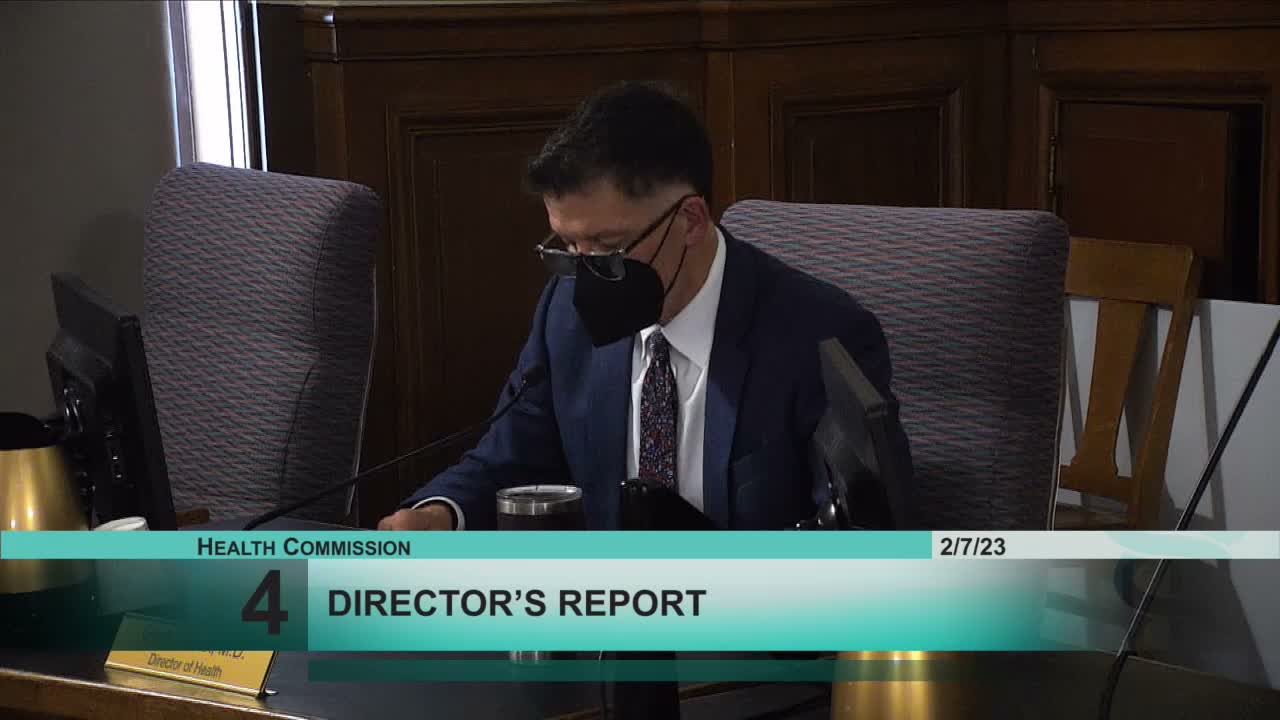
San Franciscos Department of Public Health reported on Feb. 7 that preliminary data show 620 accidental drug overdose deaths in 2022, down from 640 in 2021. Director Dr. Grant Colfax told the Health Commission the decline marks the second consecutive year of reductions but remains "certainly too high." He said fentanyl accounted for roughly 72% of 2022 overdose deaths.
The department also said overdose deaths continue to disproportionately affect Black or African American residents: preliminary data indicate overdose deaths among Black residents remain more than five times the citywide rate. "We do have very specific programs being implemented, and . . . planned to be implemented to address this inequity," Colfax told the commission when asked by Commissioner Chao about targeted efforts.
DPH actions and capacity: Colfax outlined several ongoing and near-term steps to reduce overdose harm and expand treatment access, including:
- Opening 70 residential step-down beds this year to support people leaving residential substance-use treatment;
- Establishing weekend hours at the Behavioral Health Access Center to expedite entry into treatment;
- Continuing naloxone distribution: DPH and partners distributed more than 33,000 naloxone kits (and, in partnership with the San Francisco AIDS Foundation, distributed more than 40,000 doses in an associated medication distribution effort); DPH reported 5,127 recorded overdose reversals in 2021; and training more than 2,000 people to recognize and respond to overdoses in late 2022.
Policy developments: Colfax said the city is pursuing local legislative changes to allow privately funded overdose prevention sites to open; current San Francisco law enacted in 2020 requires city funding and federal and state legal issues have blocked openings. He credited Mayor Breed and Supervisor Ronen with introducing legislation to repeal the restriction so nonprofits could operate privately funded sites.
What commissioners asked: Commissioner Chao and others pressed for more detail on programs targeting Black residents and asked that behavioral health updates include specific interventions and outcomes for disproportionately affected groups. Colfax said he would follow up with commissioners and present these specifics in future behavioral health briefings.
Next steps: DPH said it will continue scaling harm-reduction activities, expand treatment access, and report back to the commission with further behavioral health planning and targeted equity measures.
The department also said overdose deaths continue to disproportionately affect Black or African American residents: preliminary data indicate overdose deaths among Black residents remain more than five times the citywide rate. "We do have very specific programs being implemented, and . . . planned to be implemented to address this inequity," Colfax told the commission when asked by Commissioner Chao about targeted efforts.
DPH actions and capacity: Colfax outlined several ongoing and near-term steps to reduce overdose harm and expand treatment access, including:
- Opening 70 residential step-down beds this year to support people leaving residential substance-use treatment;
- Establishing weekend hours at the Behavioral Health Access Center to expedite entry into treatment;
- Continuing naloxone distribution: DPH and partners distributed more than 33,000 naloxone kits (and, in partnership with the San Francisco AIDS Foundation, distributed more than 40,000 doses in an associated medication distribution effort); DPH reported 5,127 recorded overdose reversals in 2021; and training more than 2,000 people to recognize and respond to overdoses in late 2022.
Policy developments: Colfax said the city is pursuing local legislative changes to allow privately funded overdose prevention sites to open; current San Francisco law enacted in 2020 requires city funding and federal and state legal issues have blocked openings. He credited Mayor Breed and Supervisor Ronen with introducing legislation to repeal the restriction so nonprofits could operate privately funded sites.
What commissioners asked: Commissioner Chao and others pressed for more detail on programs targeting Black residents and asked that behavioral health updates include specific interventions and outcomes for disproportionately affected groups. Colfax said he would follow up with commissioners and present these specifics in future behavioral health briefings.
Next steps: DPH said it will continue scaling harm-reduction activities, expand treatment access, and report back to the commission with further behavioral health planning and targeted equity measures.
View the Full Meeting & All Its Details
This article offers just a summary. Unlock complete video, transcripts, and insights as a Founder Member.
✓
Watch full, unedited meeting videos
✓
Search every word spoken in unlimited transcripts
✓
AI summaries & real-time alerts (all government levels)
✓
Permanent access to expanding government content
30-day money-back guarantee
