Health Commission approves administrative updates to Article 31 regulations after wide public concern over Hunters Point cleanup
August 15, 2023 | San Francisco City, San Francisco County, California
This article was created by AI summarizing key points discussed. AI makes mistakes, so for full details and context, please refer to the video of the full meeting. Please report any errors so we can fix them. Report an error »
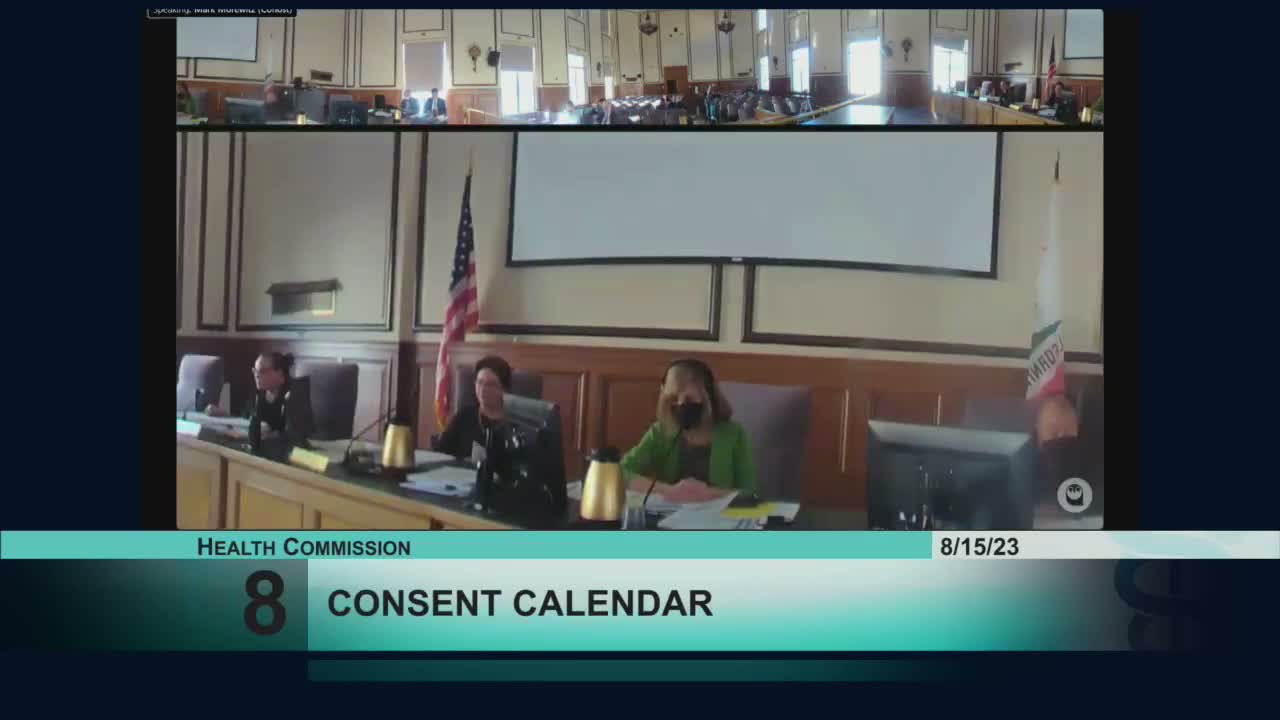
The San Francisco Health Commission voted Aug. 15 to adopt administrative updates to the implementing regulations for Health Code Article 31, which govern how city agencies manage reuse and development of parcels at the Hunters Point Naval Shipyard once federal cleanup agencies transfer land to the city.
DPH environmental health director Patrick Fostol told commissioners the proposed changes reorganize and clarify regulations, add a definitions section, tighten required plan/report elements, automatically apply the most stringent current chemical screening criteria to imported soil, and correct a boundary map to remove a railroad spur outside the redevelopment area. He emphasized the department was amending regulations, not the underlying ordinance.
Extensive public comment followed. Residents and community organizations from Bayview‑Hunters Point pressed for additional protections they said are not addressed by the administrative edits: medical monitoring and surveillance for residents and shipyard workers, independent retesting for radioactive soil contaminants, legal protective fencing and fortification of landfill parcels (including Parcel E2), cumulative‑impact assessment, and explicit human health screening criteria. Several speakers asked that the commission delay action until these items were resolved.
Commission response and action: Commissioners and DPH leadership acknowledged the community's concerns. The commission determined the package before it was administrative in scope and voted to approve the regulatory edits while directing DPH leadership to return with a community engagement plan, comparative health data for Bayview/Hunters Point, and a timeline (the commission suggested roughly three months) for addressing outstanding community safety concerns.
Why it matters: Hunters Point has a long, contested cleanup history; community members said they have experienced health harms and mistrust toward prior testing and oversight. The commission's conditional approval allows the administrative updates to proceed while creating a formal process for DPH to respond to community demands for testing, monitoring and additional safeguards.
Next steps: DPH leadership said they would coordinate a community engagement plan and report back to the commission or subcommittee with a proposed timeline and data that addresses community safety concerns. The regulatory changes will be published and implemented as administrative rules unless further revisions are requested after the promised follow‑up.
DPH environmental health director Patrick Fostol told commissioners the proposed changes reorganize and clarify regulations, add a definitions section, tighten required plan/report elements, automatically apply the most stringent current chemical screening criteria to imported soil, and correct a boundary map to remove a railroad spur outside the redevelopment area. He emphasized the department was amending regulations, not the underlying ordinance.
Extensive public comment followed. Residents and community organizations from Bayview‑Hunters Point pressed for additional protections they said are not addressed by the administrative edits: medical monitoring and surveillance for residents and shipyard workers, independent retesting for radioactive soil contaminants, legal protective fencing and fortification of landfill parcels (including Parcel E2), cumulative‑impact assessment, and explicit human health screening criteria. Several speakers asked that the commission delay action until these items were resolved.
Commission response and action: Commissioners and DPH leadership acknowledged the community's concerns. The commission determined the package before it was administrative in scope and voted to approve the regulatory edits while directing DPH leadership to return with a community engagement plan, comparative health data for Bayview/Hunters Point, and a timeline (the commission suggested roughly three months) for addressing outstanding community safety concerns.
Why it matters: Hunters Point has a long, contested cleanup history; community members said they have experienced health harms and mistrust toward prior testing and oversight. The commission's conditional approval allows the administrative updates to proceed while creating a formal process for DPH to respond to community demands for testing, monitoring and additional safeguards.
Next steps: DPH leadership said they would coordinate a community engagement plan and report back to the commission or subcommittee with a proposed timeline and data that addresses community safety concerns. The regulatory changes will be published and implemented as administrative rules unless further revisions are requested after the promised follow‑up.
Don't Miss a Word: See the Full Meeting!
Go beyond summaries. Unlock every video, transcript, and key insight with a Founder Membership.
✓
Get instant access to full meeting videos
✓
Search and clip any phrase from complete transcripts
✓
Receive AI-powered summaries & custom alerts
✓
Enjoy lifetime, unrestricted access to government data
30-day money-back guarantee
