DPH outlines hiring, retention changes as nurse and clinician vacancies persist
September 19, 2023 | San Francisco City, San Francisco County, California
This article was created by AI summarizing key points discussed. AI makes mistakes, so for full details and context, please refer to the video of the full meeting. Please report any errors so we can fix them. Report an error »
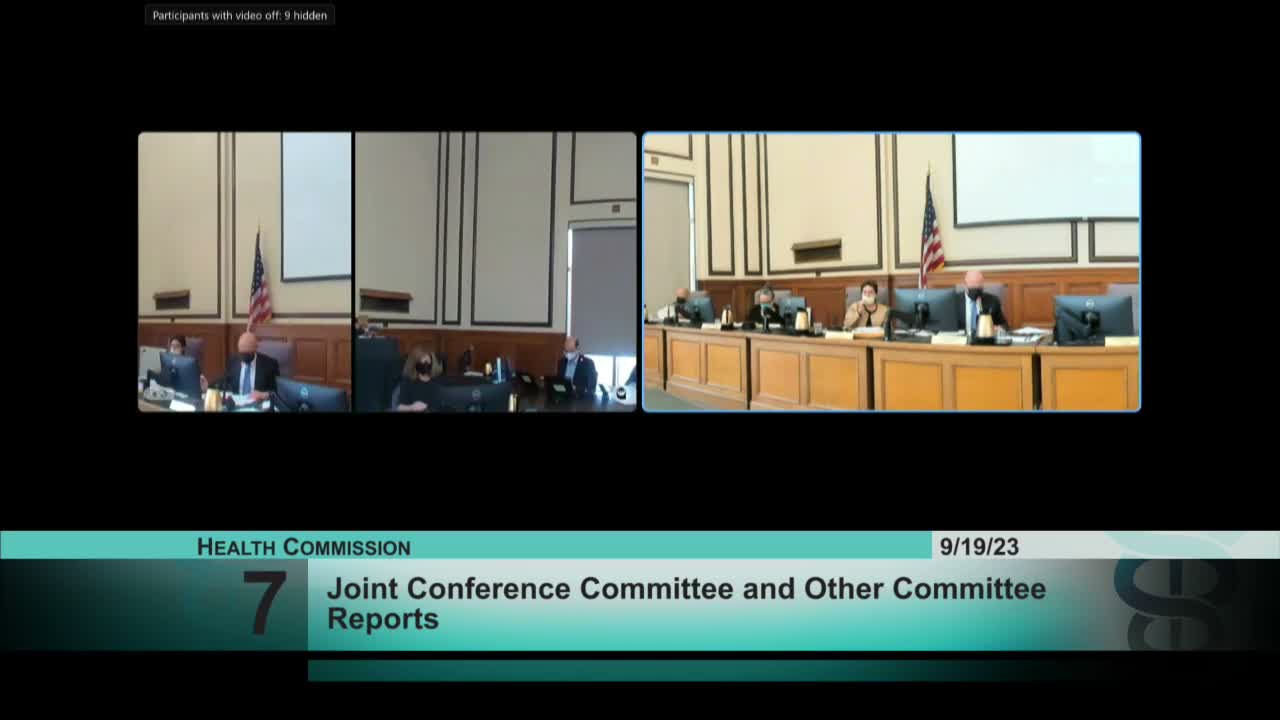
The San Francisco Department of Public Health (DPH) told the Health Commission on Sept. 19 that it has restructured HR functions, expanded recruitment pipelines and is pursuing several strategies to reduce time‑to‑hire and improve retention for clinical and other positions.
Lelena Kim, chief human resources officer for DPH, said the department reorganized HR into 10 functional areas (including an office of culture and experience and a workforce analytics team) and highlighted partnerships with SEIU Local 1021 and academic institutions to create training and pipeline programs. She said DPH has hired a clinical recruiting strategist and is doubling certain training cohorts to create internal pipelines for urgent‑care and ED nurses.
Kim provided metrics for hiring times. For the prior fiscal year, the city average from list adoption to position fill was about 75 days; DPH averaged about 100 days for all positions. For specific roles Kim cited: nurses took about 80 days (city average 75), behavioral health clinicians about 97 days, and CNAs 67 days. This fiscal year she said DPH time‑to‑fill was roughly 99 days overall and about 77 days for nurses. Kim said the department currently fills about 130 positions per month and aims to scale that work.
"We need to reach people faster," Kim told commissioners, describing changes to streamline medical evaluations, prioritize DPH appointment processing, collapse 19 nurse specialty classifications into two broader categories (experienced vs. not experienced) and expand continuous recruitment and selection so candidates can be identified before a vacancy occurs.
Commissioners asked about benchmarking against private health systems and the Bay Area, use of continuing‑education supports to aid retention, and whether classifications or state licensing rules limit how staff can be deployed. Kim said a newly hired recruiter will quickly gather regional benchmarking data and that some changes (for example reclassifying roles) would require DHR, civil service and bargaining‑unit discussions.
Why it matters: DPH faces persistent vacancies that affect service delivery across city hospitals and clinics. Commissioners supported exploring best practices for retention and asked staff to report comparative metrics.
What’s next: DPH will continue implementing training pipelines, data analytics for workforce planning and recruitment experiments; staff said they will provide follow‑up benchmarking and reports.
Lelena Kim, chief human resources officer for DPH, said the department reorganized HR into 10 functional areas (including an office of culture and experience and a workforce analytics team) and highlighted partnerships with SEIU Local 1021 and academic institutions to create training and pipeline programs. She said DPH has hired a clinical recruiting strategist and is doubling certain training cohorts to create internal pipelines for urgent‑care and ED nurses.
Kim provided metrics for hiring times. For the prior fiscal year, the city average from list adoption to position fill was about 75 days; DPH averaged about 100 days for all positions. For specific roles Kim cited: nurses took about 80 days (city average 75), behavioral health clinicians about 97 days, and CNAs 67 days. This fiscal year she said DPH time‑to‑fill was roughly 99 days overall and about 77 days for nurses. Kim said the department currently fills about 130 positions per month and aims to scale that work.
"We need to reach people faster," Kim told commissioners, describing changes to streamline medical evaluations, prioritize DPH appointment processing, collapse 19 nurse specialty classifications into two broader categories (experienced vs. not experienced) and expand continuous recruitment and selection so candidates can be identified before a vacancy occurs.
Commissioners asked about benchmarking against private health systems and the Bay Area, use of continuing‑education supports to aid retention, and whether classifications or state licensing rules limit how staff can be deployed. Kim said a newly hired recruiter will quickly gather regional benchmarking data and that some changes (for example reclassifying roles) would require DHR, civil service and bargaining‑unit discussions.
Why it matters: DPH faces persistent vacancies that affect service delivery across city hospitals and clinics. Commissioners supported exploring best practices for retention and asked staff to report comparative metrics.
What’s next: DPH will continue implementing training pipelines, data analytics for workforce planning and recruitment experiments; staff said they will provide follow‑up benchmarking and reports.
View the Full Meeting & All Its Details
This article offers just a summary. Unlock complete video, transcripts, and insights as a Founder Member.
✓
Watch full, unedited meeting videos
✓
Search every word spoken in unlimited transcripts
✓
AI summaries & real-time alerts (all government levels)
✓
Permanent access to expanding government content
30-day money-back guarantee
