Bob Ferguson, Washington attorney general, frames bid around public safety, homelessness, housing and ferries
May 23, 2024 | Bob Ferguson - Governor, Washington State
This article was created by AI summarizing key points discussed. AI makes mistakes, so for full details and context, please refer to the video of the full meeting. Please report any errors so we can fix them. Report an error »
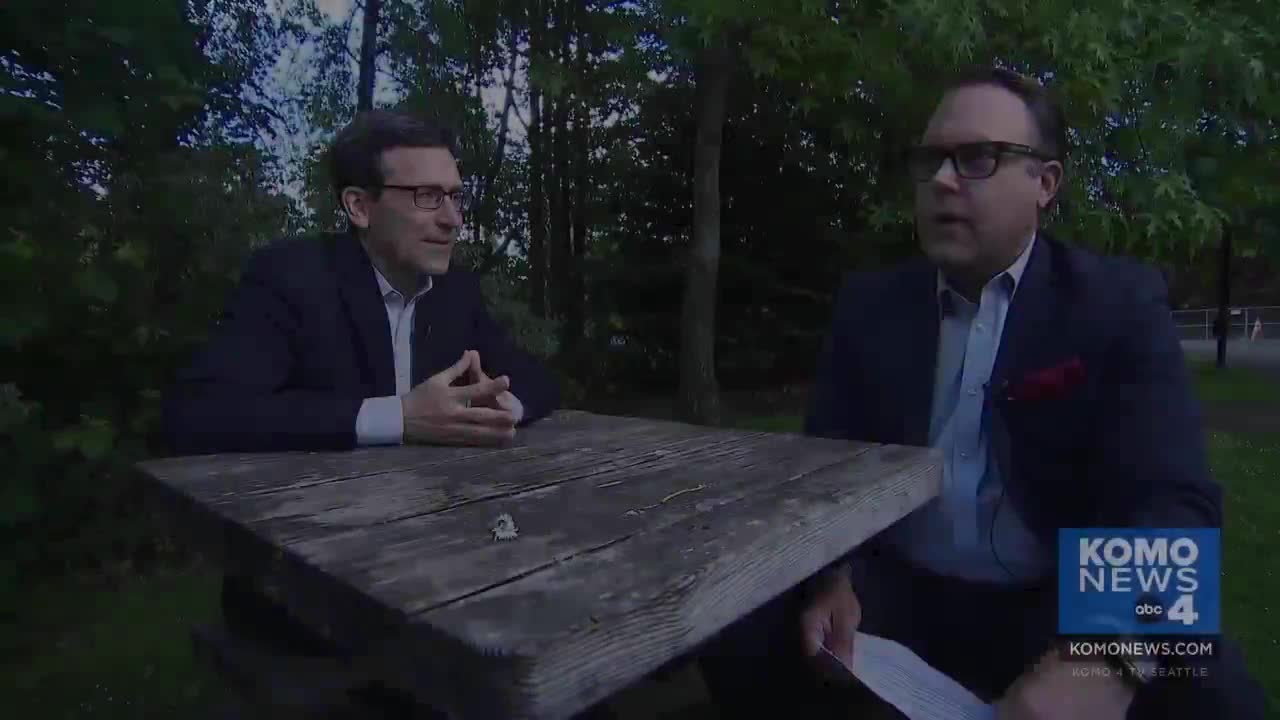
Bob Ferguson, Washington's attorney general and a Democratic candidate for governor, told an interviewer he would make public safety his top priority and push a mix of targeted spending and management changes to address homelessness, housing affordability and ferry service if elected.
"We rank last per capita, Washington state does, in number of law enforcement officers we have. That's unacceptable. I've got a plan to address that," Ferguson said, framing a policy agenda that begins with adding officers and improving response capacity. He said he would propose putting "$100,000,000 into my first budget so local jurisdictions can use those resources as hiring bonuses for law enforcement officers or for increased salaries." The funding, Ferguson said, would be aimed at attracting recruits and raising retention across local and state agencies.
Ferguson described homelessness as a multi-faceted problem tied to mental health, chemical dependency and housing costs, and rejected punitive relocation ideas floated by rivals. "That's not a serious solution to an issue of serious of homelessness," he said in response to a rival's suggestion of sending unhoused people to McNeil Island. Instead, Ferguson called for "smart investments" that combine housing with wraparound services.
On housing supply, Ferguson said the state must be more ambitious. "We need to be investing in more housing. We need to build a million new units of housing in the next 15 to 20 years," he said, tying the goal to broader work on affordability.
Ferguson also highlighted the ferry system as a crisis for island communities, citing both vessel and staffing shortfalls. He said the ferry director would sit in his cabinet meetings and report directly to the governor to accelerate fixes. "When you actually have a ferry, without the people to run it, that's frustrating," he said, describing steps to fund recruitment and operations.
On drug policy, Ferguson said he no longer supports decriminalizing possession — a view he said changed after watching Oregon's experience — while stressing criminal enforcement against dealers and expanded treatment for people with substance-use disorders. "I, long ago, said that should not be our approach," he said.
Ferguson pointed to funds recovered by his office from opioid litigation as part of the response, saying his team has brought roughly $1.3 billion to the state that should be used for treatment and first responders.
On climate policy, Ferguson said he would not support a full repeal of the Climate Commitment Act but would "tweak" it to expand the Working Families Tax Credit and direct more revenue toward families hit hardest by rising gas prices. "I don't think we should throw the baby out the bathwater on these issues," he said.
Ferguson repeatedly framed himself as a change agent with a record of taking on established interests, citing fights on the King County Council and as attorney general. He also sought to draw contrasts with primary opponents over votes on police pursuits, reproductive‑privacy measures and campaign financing, saying his campaign does not accept corporate PAC money and is "people powered."
The interview closed with Ferguson reiterating his focus on measurable progress — more housing units, fewer people living unsheltered and more law-enforcement staffing — and a promise to place operational accountability, such as ferry leadership, directly within the governor's day-to-day oversight.
"We rank last per capita, Washington state does, in number of law enforcement officers we have. That's unacceptable. I've got a plan to address that," Ferguson said, framing a policy agenda that begins with adding officers and improving response capacity. He said he would propose putting "$100,000,000 into my first budget so local jurisdictions can use those resources as hiring bonuses for law enforcement officers or for increased salaries." The funding, Ferguson said, would be aimed at attracting recruits and raising retention across local and state agencies.
Ferguson described homelessness as a multi-faceted problem tied to mental health, chemical dependency and housing costs, and rejected punitive relocation ideas floated by rivals. "That's not a serious solution to an issue of serious of homelessness," he said in response to a rival's suggestion of sending unhoused people to McNeil Island. Instead, Ferguson called for "smart investments" that combine housing with wraparound services.
On housing supply, Ferguson said the state must be more ambitious. "We need to be investing in more housing. We need to build a million new units of housing in the next 15 to 20 years," he said, tying the goal to broader work on affordability.
Ferguson also highlighted the ferry system as a crisis for island communities, citing both vessel and staffing shortfalls. He said the ferry director would sit in his cabinet meetings and report directly to the governor to accelerate fixes. "When you actually have a ferry, without the people to run it, that's frustrating," he said, describing steps to fund recruitment and operations.
On drug policy, Ferguson said he no longer supports decriminalizing possession — a view he said changed after watching Oregon's experience — while stressing criminal enforcement against dealers and expanded treatment for people with substance-use disorders. "I, long ago, said that should not be our approach," he said.
Ferguson pointed to funds recovered by his office from opioid litigation as part of the response, saying his team has brought roughly $1.3 billion to the state that should be used for treatment and first responders.
On climate policy, Ferguson said he would not support a full repeal of the Climate Commitment Act but would "tweak" it to expand the Working Families Tax Credit and direct more revenue toward families hit hardest by rising gas prices. "I don't think we should throw the baby out the bathwater on these issues," he said.
Ferguson repeatedly framed himself as a change agent with a record of taking on established interests, citing fights on the King County Council and as attorney general. He also sought to draw contrasts with primary opponents over votes on police pursuits, reproductive‑privacy measures and campaign financing, saying his campaign does not accept corporate PAC money and is "people powered."
The interview closed with Ferguson reiterating his focus on measurable progress — more housing units, fewer people living unsheltered and more law-enforcement staffing — and a promise to place operational accountability, such as ferry leadership, directly within the governor's day-to-day oversight.
Don't Miss a Word: See the Full Meeting!
Go beyond summaries. Unlock every video, transcript, and key insight with a Founder Membership.
✓
Get instant access to full meeting videos
✓
Search and clip any phrase from complete transcripts
✓
Receive AI-powered summaries & custom alerts
✓
Enjoy lifetime, unrestricted access to government data
30-day money-back guarantee
