Taunton establishes LEPC, adopts bylaws and centralizes Tier II reporting
March 18, 2024 | Taunton City, Bristol County, Massachusetts
This article was created by AI summarizing key points discussed. AI makes mistakes, so for full details and context, please refer to the video of the full meeting. Please report any errors so we can fix them. Report an error »
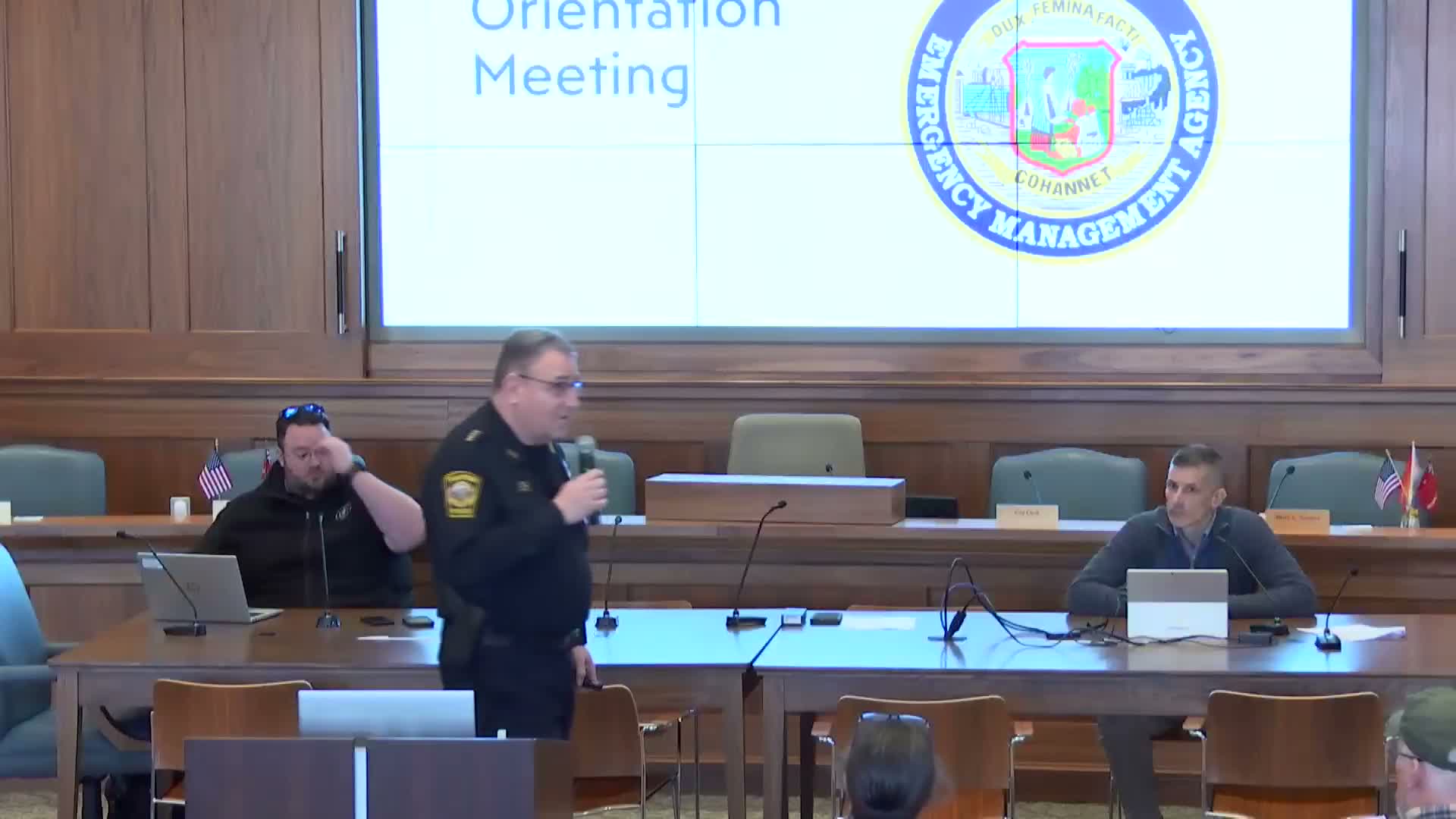
Taunton’s newly formed Local Emergency Planning Committee formally adopted bylaws and set a single point of contact for Tier II hazardous‑materials reporting during a short meeting that included a presentation from the state MEMA office.
Edward Walsh, chair of the new LEPC, said the committee exists to give residents and first responders a mechanism to share hazardous‑materials information and coordinate emergency response. “We’re required to have it. We have never done it,” Walsh said, adding that creating the committee and its procedures will take time.
The meeting featured a presentation by Nate Cochran, MEMA East Region 2 local coordinator, who reviewed the federal Emergency Planning and Community Right‑to‑Know Act (EPCRA), passed as Title III of the Superfund Amendments and Reauthorization Act (SARA). Cochran described EPCRA’s purpose—ensuring community access to information about hazardous substances on‑site and supporting local planning—and showed historical incidents to explain why the requirements exist.
Under the bylaws the LEPC will follow sector membership required by state and federal guidance, hold quorum at 40% of eligible voting members, and maintain a clerk to record meetings. The chair invited a motion to adopt the drafted bylaws “as presented.” Mary Allen Defies moved the motion and Michelle seconded; a voice vote was called and the chair declared the motion carried.
Committee members also addressed Tier II reporting, the mechanism by which facilities report hazardous‑chemical inventories to local authorities. The chair said Tier II submissions previously arrived at inconsistent city locations (for example, to DPW or other offices) and announced a plan to centralize submissions in a shared mailbox managed by emergency management and the fire department. The transcript records variant spellings of the address; the committee described the intent to use a single central email repository for Tier II submissions and to publish a dedicated LEPC/Tier II page on the city website. Walsh said the group plans to accept electronic copies and consider integration with third‑party reporting systems to reduce burdens on facilities.
Walsh estimated completing a city‑specific emergency response plan will take "a year or two," and emphasized tabletop exercises and periodic updates to keep plans current. Attendees were invited to sign an attendance sheet; the chair adjourned the meeting following the administrative items.
Next steps recorded in the meeting: distribute the drafted bylaws to attendees, finalize the central Tier II reporting address and publish the LEPC page on the city website, and proceed with plan development and exercises under the emergency management director’s leadership.
Edward Walsh, chair of the new LEPC, said the committee exists to give residents and first responders a mechanism to share hazardous‑materials information and coordinate emergency response. “We’re required to have it. We have never done it,” Walsh said, adding that creating the committee and its procedures will take time.
The meeting featured a presentation by Nate Cochran, MEMA East Region 2 local coordinator, who reviewed the federal Emergency Planning and Community Right‑to‑Know Act (EPCRA), passed as Title III of the Superfund Amendments and Reauthorization Act (SARA). Cochran described EPCRA’s purpose—ensuring community access to information about hazardous substances on‑site and supporting local planning—and showed historical incidents to explain why the requirements exist.
Under the bylaws the LEPC will follow sector membership required by state and federal guidance, hold quorum at 40% of eligible voting members, and maintain a clerk to record meetings. The chair invited a motion to adopt the drafted bylaws “as presented.” Mary Allen Defies moved the motion and Michelle seconded; a voice vote was called and the chair declared the motion carried.
Committee members also addressed Tier II reporting, the mechanism by which facilities report hazardous‑chemical inventories to local authorities. The chair said Tier II submissions previously arrived at inconsistent city locations (for example, to DPW or other offices) and announced a plan to centralize submissions in a shared mailbox managed by emergency management and the fire department. The transcript records variant spellings of the address; the committee described the intent to use a single central email repository for Tier II submissions and to publish a dedicated LEPC/Tier II page on the city website. Walsh said the group plans to accept electronic copies and consider integration with third‑party reporting systems to reduce burdens on facilities.
Walsh estimated completing a city‑specific emergency response plan will take "a year or two," and emphasized tabletop exercises and periodic updates to keep plans current. Attendees were invited to sign an attendance sheet; the chair adjourned the meeting following the administrative items.
Next steps recorded in the meeting: distribute the drafted bylaws to attendees, finalize the central Tier II reporting address and publish the LEPC page on the city website, and proceed with plan development and exercises under the emergency management director’s leadership.
Don't Miss a Word: See the Full Meeting!
Go beyond summaries. Unlock every video, transcript, and key insight with a Founder Membership.
✓
Get instant access to full meeting videos
✓
Search and clip any phrase from complete transcripts
✓
Receive AI-powered summaries & custom alerts
✓
Enjoy lifetime, unrestricted access to government data
30-day money-back guarantee
