Committee discusses centralizing public complaints and a tracked intake system
April 15, 2023 | CARMEL CENTRAL SCHOOL DISTRICT, School Districts, New York
This article was created by AI summarizing key points discussed. AI makes mistakes, so for full details and context, please refer to the video of the full meeting. Please report any errors so we can fix them. Report an error »
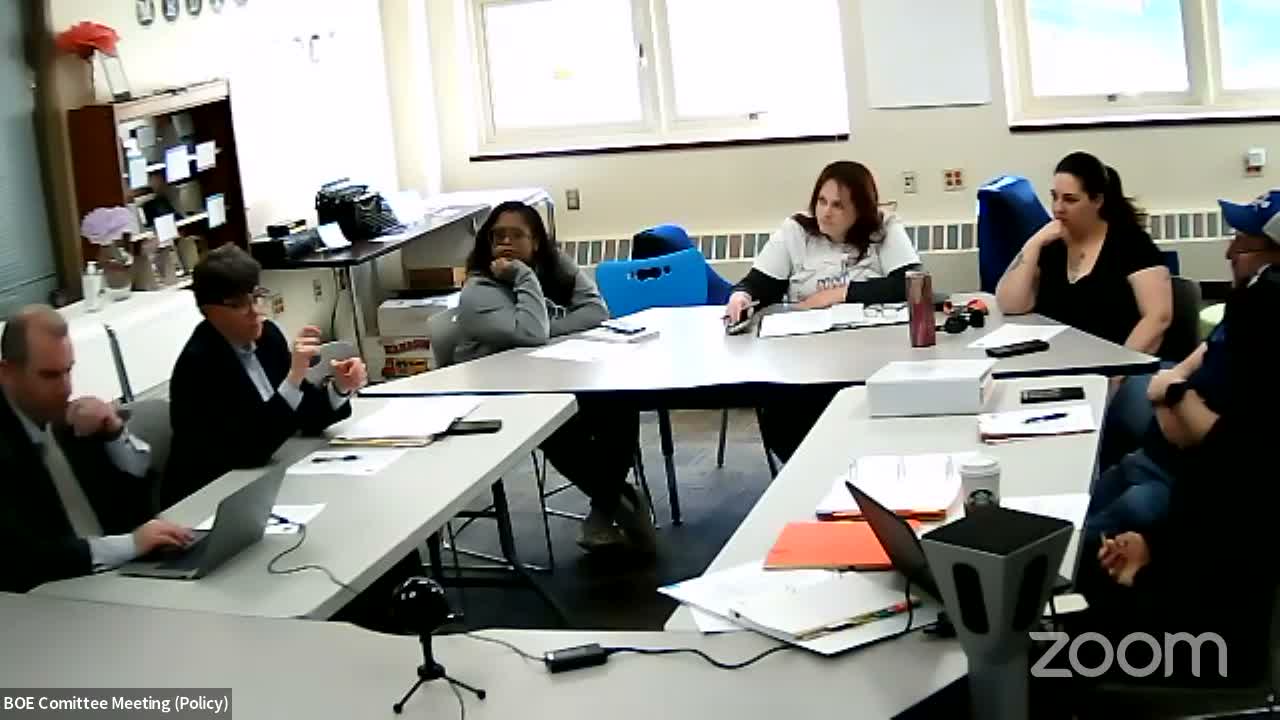
Trustees and staff spent a substantial portion of the informal meeting discussing public participation and how the district should receive and track complaints that may contain names or allegations.
Speaker 10 proposed creating a centralized intake (suggested example: complaintscarmel@carmel.edu) and a tracking system that records anonymized metadata (date received, general category, chain of command) without publicly exposing personally identifiable information. The goal, Speaker 10 said, is to ensure the superintendent and administration can triage complaints (for example, under DASA, ADA, FERPA or other law) and to insulate board members from premature exposure to confidential details while still allowing the board to monitor trends.
The discussion covered who should initially receive complaints, whether a subset of trustees or the superintendent should see detailed materials, the role of counsel in high‑risk cases, and the need for staff training. The committee emphasized having a feedback loop so the complainant and the board can see status updates without revealing confidential details.
Chair (Speaker 3) said the district's current policy (referred to in the transcript as Policy 1400/1,400 and Policy 1230 for public participation) is inadequate and that a piecemeal approach with interim improvements could be implemented quickly while the larger policy work continues. Trustees asked staff to craft an operational intake flow and a redline for Policy 1400 to bring back for board review and a first read at a future meeting.
Speaker 10 proposed creating a centralized intake (suggested example: complaintscarmel@carmel.edu) and a tracking system that records anonymized metadata (date received, general category, chain of command) without publicly exposing personally identifiable information. The goal, Speaker 10 said, is to ensure the superintendent and administration can triage complaints (for example, under DASA, ADA, FERPA or other law) and to insulate board members from premature exposure to confidential details while still allowing the board to monitor trends.
The discussion covered who should initially receive complaints, whether a subset of trustees or the superintendent should see detailed materials, the role of counsel in high‑risk cases, and the need for staff training. The committee emphasized having a feedback loop so the complainant and the board can see status updates without revealing confidential details.
Chair (Speaker 3) said the district's current policy (referred to in the transcript as Policy 1400/1,400 and Policy 1230 for public participation) is inadequate and that a piecemeal approach with interim improvements could be implemented quickly while the larger policy work continues. Trustees asked staff to craft an operational intake flow and a redline for Policy 1400 to bring back for board review and a first read at a future meeting.
View the Full Meeting & All Its Details
This article offers just a summary. Unlock complete video, transcripts, and insights as a Founder Member.
✓
Watch full, unedited meeting videos
✓
Search every word spoken in unlimited transcripts
✓
AI summaries & real-time alerts (all government levels)
✓
Permanent access to expanding government content
30-day money-back guarantee
