House approves broad natural-resources reorganization, moving outdoor recreation into natural resources
February 22, 2022 | 2022 Utah Legislature, Utah Legislature, Utah Legislative Branch, Utah
This article was created by AI summarizing key points discussed. AI makes mistakes, so for full details and context, please refer to the video of the full meeting. Please report any errors so we can fix them. Report an error »
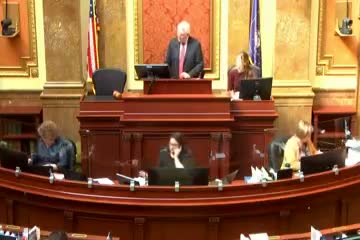
Representative Ferry, sponsor of the natural-resources reorganization bill, told the House the measure is intended to streamline state oversight of recreation and conservation programs and "create the Department of Outdoor Recreation" to consolidate granting programs and staff under the Department of Natural Resources. Supporters said the changes would codify prior consolidation work and better align grant oversight. Opponents raised constitutional and property-rights concerns, particularly about changes tied to conservation easements and how the bill redirects rollback-tax revenue.
Why it mattered: The bill moves the LeRay McAllister Critical Land Conservation Fund and some functions of the Quality Growth Commission into other agencies and creates a Land Conservation Board. Sponsors argued the reorganization clarifies responsibilities and provides stable stewardship for recreation and conservation programs; critics warned of unintended transfers of authority and long-term effects on private property rights.
Floor debate: Representative Chu said the bill was "huge" and warned it may create a "split estate situation" and risk federal encroachment, and said he would vote against it. Several members also pressed the sponsor on an $11,000,000 rollback-tax estimate and on whether counties had been consulted about redirecting those funds; Representative Ferry responded that rollback penalties are a reasonable funding source to protect agricultural land and that smaller agencies lack capacity to meet current reporting or system requirements.
Vote and next steps: After extended discussion and summations, the second substitute passed the House by a recorded vote of 48 yes and 22 no and will be transmitted to the Senate for consideration. The House record shows the principal sponsor and several floor members debated both substantive policy (conservation easements and fund oversight) and fiscal mechanics (rollback tax redirection); implementation details and county reactions were left to subsequent consideration.
Ending: With the bill passed, the House advanced a package of changes the majority said would better organize outdoor recreation and conservation functions; senators will now review the measure and any remaining fiscal or policy clarifications.
Why it mattered: The bill moves the LeRay McAllister Critical Land Conservation Fund and some functions of the Quality Growth Commission into other agencies and creates a Land Conservation Board. Sponsors argued the reorganization clarifies responsibilities and provides stable stewardship for recreation and conservation programs; critics warned of unintended transfers of authority and long-term effects on private property rights.
Floor debate: Representative Chu said the bill was "huge" and warned it may create a "split estate situation" and risk federal encroachment, and said he would vote against it. Several members also pressed the sponsor on an $11,000,000 rollback-tax estimate and on whether counties had been consulted about redirecting those funds; Representative Ferry responded that rollback penalties are a reasonable funding source to protect agricultural land and that smaller agencies lack capacity to meet current reporting or system requirements.
Vote and next steps: After extended discussion and summations, the second substitute passed the House by a recorded vote of 48 yes and 22 no and will be transmitted to the Senate for consideration. The House record shows the principal sponsor and several floor members debated both substantive policy (conservation easements and fund oversight) and fiscal mechanics (rollback tax redirection); implementation details and county reactions were left to subsequent consideration.
Ending: With the bill passed, the House advanced a package of changes the majority said would better organize outdoor recreation and conservation functions; senators will now review the measure and any remaining fiscal or policy clarifications.
View the Full Meeting & All Its Details
This article offers just a summary. Unlock complete video, transcripts, and insights as a Founder Member.
✓
Watch full, unedited meeting videos
✓
Search every word spoken in unlimited transcripts
✓
AI summaries & real-time alerts (all government levels)
✓
Permanent access to expanding government content
30-day money-back guarantee
