Pennridge reports mixed 2024–25 results: strong AP metrics, statewide ELA declines and targeted school plans
November 03, 2025 | Pennridge SD, School Districts, Pennsylvania
This article was created by AI summarizing key points discussed. AI makes mistakes, so for full details and context, please refer to the video of the full meeting. Please report any errors so we can fix them. Report an error »
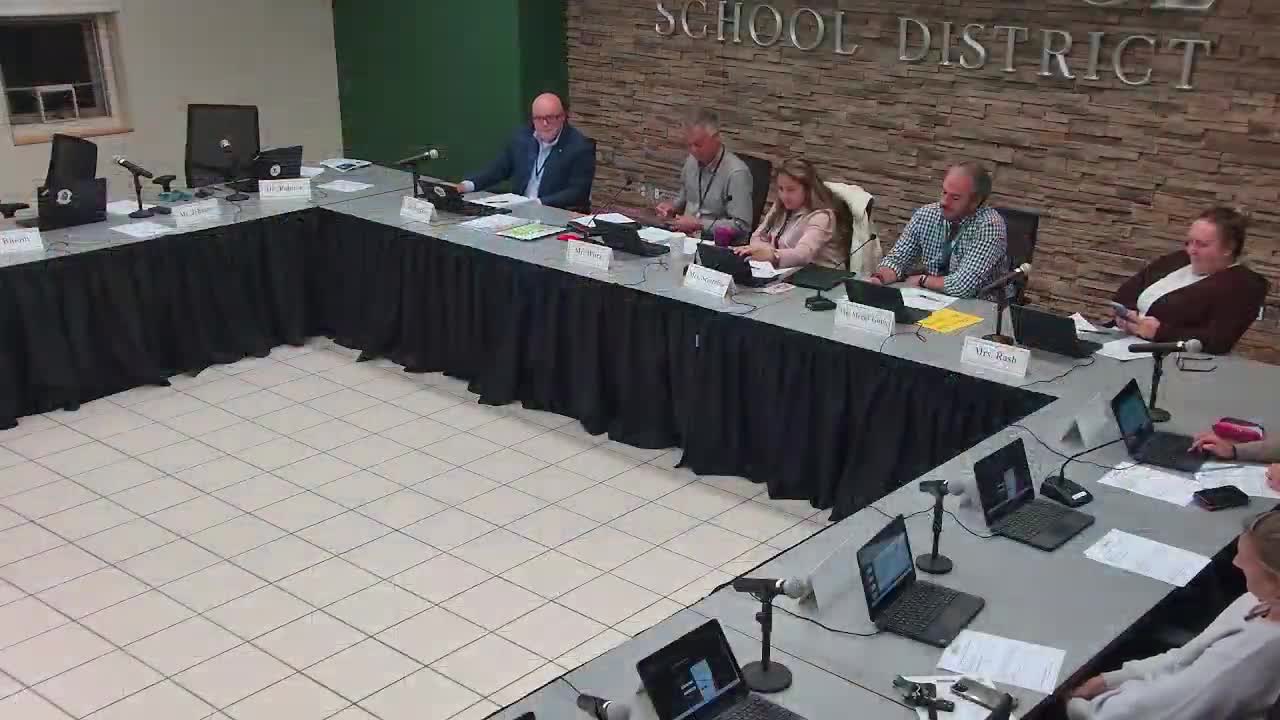
District data leaders presented a full 2024–25 analytics briefing covering PSSA, Keystone, PVAS growth measures, AP participation, NOCTE and district demographics.
Highlights: AP participation increased with 35% of the graduating class taking at least one AP course and 27% earning a qualifying AP score; 93% of district AP exam takers earned a 3 or higher in 2025. NOCTE results for students at the Bucks County Technical School showed about 85% of test‑takers were competent or advanced. District leaders also reported strong co‑curricular participation (arts and athletics) and scholarships awarded (more than $3.5 million in 2024–25).
Challenges: Pennsylvania‑wide declines in ELA were reflected in the district. Dr. Palmer said 98% of districts using the Lincoln assessment vendor showed no measurable ELA progress in 2024–25; statewide grades 3–8 declines were in the 3%–8% range. Keystone literature proficiency dipped; algebra and biology showed gains. Disaggregated results showed lower proficiency among special education, English learner and free/reduced‑lunch students. Dr. Palmer and principals emphasized the need for targeted Tier‑1 instruction, strengthened eligible‑content alignment, ninth‑grade benchmarks and professional learning focused on vocabulary, close reading and evidence‑based writing (Say‑Mean‑Matter).
School principals presented sample school plans with measurable targets (e.g., improve key ideas and details and craft/structure scores) and described scheduled professional development, use of data teams, and interventions such as algebra enrichment and dual‑credit/dual‑enrollment supports. District staff committed to county and state peer comparisons when the state data are publicly released and promised follow‑up reports and localized root‑cause analyses for lower performing subgroups.
Highlights: AP participation increased with 35% of the graduating class taking at least one AP course and 27% earning a qualifying AP score; 93% of district AP exam takers earned a 3 or higher in 2025. NOCTE results for students at the Bucks County Technical School showed about 85% of test‑takers were competent or advanced. District leaders also reported strong co‑curricular participation (arts and athletics) and scholarships awarded (more than $3.5 million in 2024–25).
Challenges: Pennsylvania‑wide declines in ELA were reflected in the district. Dr. Palmer said 98% of districts using the Lincoln assessment vendor showed no measurable ELA progress in 2024–25; statewide grades 3–8 declines were in the 3%–8% range. Keystone literature proficiency dipped; algebra and biology showed gains. Disaggregated results showed lower proficiency among special education, English learner and free/reduced‑lunch students. Dr. Palmer and principals emphasized the need for targeted Tier‑1 instruction, strengthened eligible‑content alignment, ninth‑grade benchmarks and professional learning focused on vocabulary, close reading and evidence‑based writing (Say‑Mean‑Matter).
School principals presented sample school plans with measurable targets (e.g., improve key ideas and details and craft/structure scores) and described scheduled professional development, use of data teams, and interventions such as algebra enrichment and dual‑credit/dual‑enrollment supports. District staff committed to county and state peer comparisons when the state data are publicly released and promised follow‑up reports and localized root‑cause analyses for lower performing subgroups.
Don't Miss a Word: See the Full Meeting!
Go beyond summaries. Unlock every video, transcript, and key insight with a Founder Membership.
✓
Get instant access to full meeting videos
✓
Search and clip any phrase from complete transcripts
✓
Receive AI-powered summaries & custom alerts
✓
Enjoy lifetime, unrestricted access to government data
30-day money-back guarantee
