Amador Unified board votes to move district health benefits into CalPERS amid employee outcry
August 07, 2025 | Amador County Unified, School Districts, California
This article was created by AI summarizing key points discussed. AI makes mistakes, so for full details and context, please refer to the video of the full meeting. Please report any errors so we can fix them. Report an error »
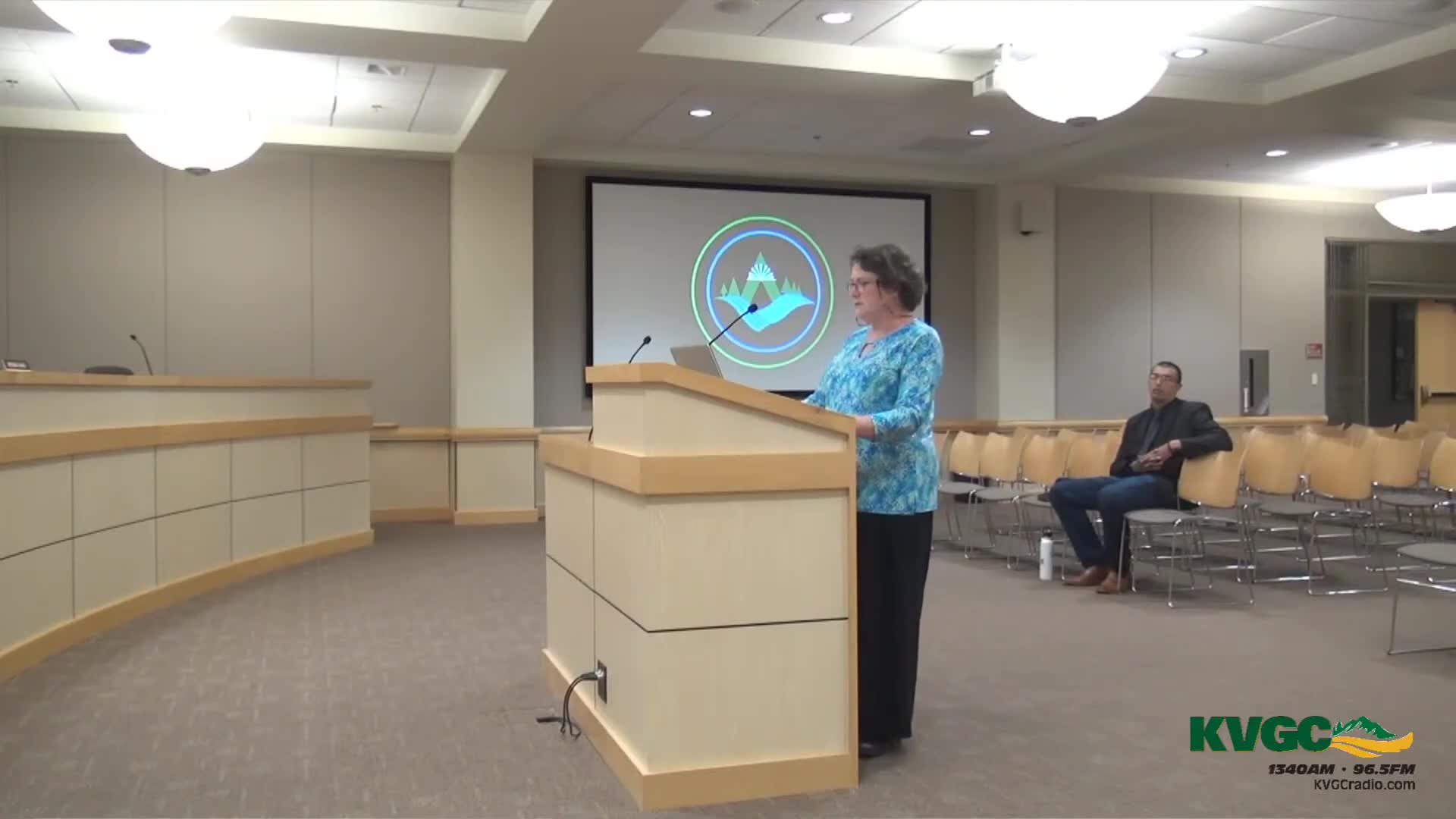
The Amador County Unified School District board voted Wednesday to transition the district's health and welfare benefits to the California Public Employees' Retirement System (CalPERS), a change the district and its insurance broker said offers predictable rates but will raise out-of-pocket costs and limit which local doctors are in network.
The move, approved by a 5-0 vote, comes after weeks of public comment from teachers and classified staff, detailed presentations from the district's broker and union leaders, and a board report on retiree contributions tied to the CalPERS enrollment.
District officials and the broker, Alliant, said the decision came after multiple insurers and large purchasing pools declined to provide quotes to the district because the group did not meet participation requirements; the only practical choices were to remain self-insured (with steep, unpredictable cost increases) or adopt CalPERS, which offers fixed, published rates. "Every carrier came back and indicated that they were unable to give a quote due to participation and current claims utilization," said Katie Huddleston of Alliance Insurance. "So the only other option that was before us is for the district to remain in their current self-funded arrangement or to go into CalPERS."
Why it matters: Union leaders and dozens of employees told the board the CalPERS options presented would sharply increase premiums, change coverage tiers and exclude key local providers. That tension framed the debate: the board and district argued CalPERS is the only viable, implementable option now; employees and union representatives urged continued market pursuit and warned of retention problems and medical access issues.
What employees said: Members of the Amador County Teachers Association and others described personal struggles under the proposed change. "The district's proposal to ... switch to CalPERS ... will potentially financially devastate many of our members who rely on their employment in ACUSD to provide healthcare benefits for their families," said Miss Jensen, speaking for ACTA. Teacher Sarah Swift said her daughter's insulin would not be covered by the new 100%-style plan she currently has: "I still pay an uncovered rate for Maggie's insulin," Swift said, detailing an estimated $250 a month in additional pharmacy costs. Michael Garcia said his premiums would rise "400%" in October and 600% in January on his current plan, forcing him to consider additional work. Teacher Caitlin Rubini said the highest-tier CalPERS plan shown still reduced her effective take-home pay by more than half: "Educators cannot be expected to sacrifice half their paychecks or more for basic health care," she told the board.
Broker and district explanation: Alliant and district staff said they had canvassed the market, contacted pooled providers (CVT and CISC) and the direct market, and had proposals for remaining self-funded (Roundstone/Pareto options) but projected very large employee funding increases in that route. Alliant cautioned that remaining self-insured would leave the district liable for claims above stop-loss caps and projected a 72% increase in funding obligations under the self-funded scenario. The broker also explained that CalPERS has a broader acceptance policy ("come one, come all") that makes it accessible when other carriers decline to quote.
Labor and next steps: Superintendent Jared Critchfield said the district had already served unions with a notice to bargain and pledged to negotiate impacts and mitigation with ACTA and other bargaining units. "We have every intention to work with ACTA and our other bargaining units to work on potential solutions so that our employees do not see these actual negative impacts," Critchfield said. Board President Kayla Parker and other trustees emphasized the decision was difficult but argued staying self-insured would put the district at greater fiscal risk.
Retiree contributions and financial notes: The board also approved a companion resolution that establishes the district's approach to meeting the PEMCA minimum retiree contribution under CalPERS. The resolution uses an "unequal method" that begins with a $1 employer contribution in year one and increases annually, with an estimated fiscal-year 2026 retiree cost of about $3,570 and a one-time OPEB (other post-employment benefits) balance-sheet estimate of roughly $892,000 recorded in year one. The CalPERS effective date set in the resolution is Oct. 1, 2025.
Votes at the meeting: Board members voted to (a) recommend the change to CalPERS, (b) adopt the resolution formalizing the transition and retiree contribution method, and (c) approve companion items at the county office meeting. Board members voting in favor were Peter (yes), Ken (yes), Shane (yes, recorded as reluctant), James (yes) and Board President Kayla Parker (yes).
What the change will mean practically: District and broker staff warned employees that CalPERS rates are tiered (employee-only, employee-plus-one, family) rather than the district's current composite rate, that some local providers are excluded from narrower CalPERS networks (the broker noted the Gold plan would not include Sutter Amador providers), and that retirees currently purchasing certain plans would no longer be able to keep the same arrangement if the district moves to CalPERS. Alliant and district staff said they will continue to review market options and will monitor enrollment and opt-out rates (the district's current opt-out rate is about 35%; many pooled carriers require about a 20% maximum opt-out to accept groups).
Board reaction and context: Multiple trustees expressed regret over the hardships the decision might impose and emphasized the district will press to limit impacts through bargaining and midyear market checks. The board and staff said time constraints for enrollment, open enrollment systems and feeds to CalPERS meant the district needed to act now to avoid further coverage disruption when the current self-insured plan ends Sept. 30.
What to watch next: Bargaining sessions between the district and union leaders, Alliant's follow-up market checks (especially if the district reduces its opt-out rate), and staff reports back to the board on mitigation options and enrollment details. The board set a schedule that will include further staff and union meetings and a follow-up report at the next board meeting.
Ending: Trustees said they took an "untenable" set of options and selected the path they deemed least damaging to the district's long-term finances and operations, while acknowledging that mitigation and negotiations will be required to reduce harm to staff and retirees.
The move, approved by a 5-0 vote, comes after weeks of public comment from teachers and classified staff, detailed presentations from the district's broker and union leaders, and a board report on retiree contributions tied to the CalPERS enrollment.
District officials and the broker, Alliant, said the decision came after multiple insurers and large purchasing pools declined to provide quotes to the district because the group did not meet participation requirements; the only practical choices were to remain self-insured (with steep, unpredictable cost increases) or adopt CalPERS, which offers fixed, published rates. "Every carrier came back and indicated that they were unable to give a quote due to participation and current claims utilization," said Katie Huddleston of Alliance Insurance. "So the only other option that was before us is for the district to remain in their current self-funded arrangement or to go into CalPERS."
Why it matters: Union leaders and dozens of employees told the board the CalPERS options presented would sharply increase premiums, change coverage tiers and exclude key local providers. That tension framed the debate: the board and district argued CalPERS is the only viable, implementable option now; employees and union representatives urged continued market pursuit and warned of retention problems and medical access issues.
What employees said: Members of the Amador County Teachers Association and others described personal struggles under the proposed change. "The district's proposal to ... switch to CalPERS ... will potentially financially devastate many of our members who rely on their employment in ACUSD to provide healthcare benefits for their families," said Miss Jensen, speaking for ACTA. Teacher Sarah Swift said her daughter's insulin would not be covered by the new 100%-style plan she currently has: "I still pay an uncovered rate for Maggie's insulin," Swift said, detailing an estimated $250 a month in additional pharmacy costs. Michael Garcia said his premiums would rise "400%" in October and 600% in January on his current plan, forcing him to consider additional work. Teacher Caitlin Rubini said the highest-tier CalPERS plan shown still reduced her effective take-home pay by more than half: "Educators cannot be expected to sacrifice half their paychecks or more for basic health care," she told the board.
Broker and district explanation: Alliant and district staff said they had canvassed the market, contacted pooled providers (CVT and CISC) and the direct market, and had proposals for remaining self-funded (Roundstone/Pareto options) but projected very large employee funding increases in that route. Alliant cautioned that remaining self-insured would leave the district liable for claims above stop-loss caps and projected a 72% increase in funding obligations under the self-funded scenario. The broker also explained that CalPERS has a broader acceptance policy ("come one, come all") that makes it accessible when other carriers decline to quote.
Labor and next steps: Superintendent Jared Critchfield said the district had already served unions with a notice to bargain and pledged to negotiate impacts and mitigation with ACTA and other bargaining units. "We have every intention to work with ACTA and our other bargaining units to work on potential solutions so that our employees do not see these actual negative impacts," Critchfield said. Board President Kayla Parker and other trustees emphasized the decision was difficult but argued staying self-insured would put the district at greater fiscal risk.
Retiree contributions and financial notes: The board also approved a companion resolution that establishes the district's approach to meeting the PEMCA minimum retiree contribution under CalPERS. The resolution uses an "unequal method" that begins with a $1 employer contribution in year one and increases annually, with an estimated fiscal-year 2026 retiree cost of about $3,570 and a one-time OPEB (other post-employment benefits) balance-sheet estimate of roughly $892,000 recorded in year one. The CalPERS effective date set in the resolution is Oct. 1, 2025.
Votes at the meeting: Board members voted to (a) recommend the change to CalPERS, (b) adopt the resolution formalizing the transition and retiree contribution method, and (c) approve companion items at the county office meeting. Board members voting in favor were Peter (yes), Ken (yes), Shane (yes, recorded as reluctant), James (yes) and Board President Kayla Parker (yes).
What the change will mean practically: District and broker staff warned employees that CalPERS rates are tiered (employee-only, employee-plus-one, family) rather than the district's current composite rate, that some local providers are excluded from narrower CalPERS networks (the broker noted the Gold plan would not include Sutter Amador providers), and that retirees currently purchasing certain plans would no longer be able to keep the same arrangement if the district moves to CalPERS. Alliant and district staff said they will continue to review market options and will monitor enrollment and opt-out rates (the district's current opt-out rate is about 35%; many pooled carriers require about a 20% maximum opt-out to accept groups).
Board reaction and context: Multiple trustees expressed regret over the hardships the decision might impose and emphasized the district will press to limit impacts through bargaining and midyear market checks. The board and staff said time constraints for enrollment, open enrollment systems and feeds to CalPERS meant the district needed to act now to avoid further coverage disruption when the current self-insured plan ends Sept. 30.
What to watch next: Bargaining sessions between the district and union leaders, Alliant's follow-up market checks (especially if the district reduces its opt-out rate), and staff reports back to the board on mitigation options and enrollment details. The board set a schedule that will include further staff and union meetings and a follow-up report at the next board meeting.
Ending: Trustees said they took an "untenable" set of options and selected the path they deemed least damaging to the district's long-term finances and operations, while acknowledging that mitigation and negotiations will be required to reduce harm to staff and retirees.
View the Full Meeting & All Its Details
This article offers just a summary. Unlock complete video, transcripts, and insights as a Founder Member.
✓
Watch full, unedited meeting videos
✓
Search every word spoken in unlimited transcripts
✓
AI summaries & real-time alerts (all government levels)
✓
Permanent access to expanding government content
30-day money-back guarantee
