Granville County Schools presents draft studies proposing closure of Cradle and Wilton elementary schools
October 22, 2025 | Granville County Schools, School Districts, North Carolina
This article was created by AI summarizing key points discussed. AI makes mistakes, so for full details and context, please refer to the video of the full meeting. Please report any errors so we can fix them. Report an error »
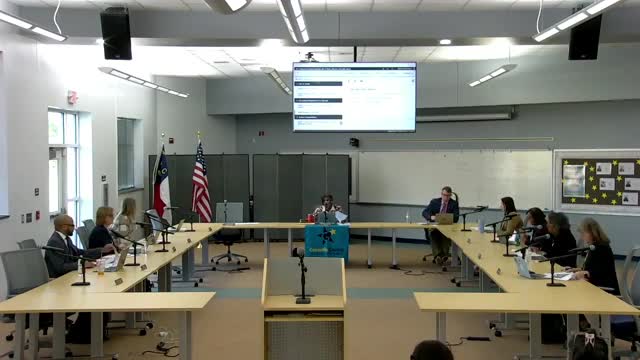
Granville County Schools staff presented draft studies to the board of education on Oct. 21 that analyze potential closures of Cradle Elementary School and Wilton Elementary School and the effects of reassigning their students to nearby schools. Staff said the studies are preliminary and recommended further analysis, public hearings and stakeholder engagement before any final action.
The documents, presented by Dr. Winborn with support from Associate Superintendent Perry, Superintendent Curran (joining virtually) and Assistant Superintendent and Chief Finance Officer Ms. Hines, lay out legal requirements, demographic trends, academic and staffing profiles, transportation implications, and capital-outlay needs for each campus. "This is a process and this is just the first step," Dr. Winborn said.
Why it matters: the studies were framed as responses to persistent budget pressures, declining numbers of school-age children in the county and growing enrollment in charter and alternative options. Staff noted that although Granville County’s total population is projected to grow, the number of school-age children is not keeping pace, a factor affecting per‑pupil funding and district finances.
Key findings and numbers from the Cradle study
- Enrollment and staffing: Cradle’s day‑20 enrollment was reported at 306 students; 53 students at the school attend by choice. The school currently lists 17 classroom teachers funded largely by ADM allotments, plus enhancement/locally funded specialists.
- Facilities and capital needs: Staff reported that since 2021–22 the district has invested more than $1 million in upgrades at Cradle and identified more than $800,000 of critical capital needs over the next 15 years (examples listed in the study included roof work, HVAC and controls upgrades, parking/playground improvements). Recent air quality testing (May 2025) showed no issues, the study said.
- Transportation: Cradle is served by three regular buses and one special‑education bus; combined route mileage and time were provided in the study. Staff cautioned that reassigning students would likely lengthen some routes and could increase fuel, driver and maintenance costs.
- Fiscal estimates: The draft study presents differing line items and phased estimates; staff summarized potential recurring annual savings to the district at "just over $700,000," noted year‑one and ongoing adjustments (staff identified a year‑one savings estimate and an ongoing savings estimate in follow-up slides), and estimated that, when capital and operating effects are projected over 15 years, the district could see multi‑million‑dollar impacts. Staff emphasized these are estimates that depend on final student assignments and transportation routing.
Key findings and numbers from the Wilton study
- Enrollment and staffing: Wilton’s enrollment has fluctuated historically; the study reports 322 students with a sizeable choice population (the study lists 93 students attending Wilton by choice). Wilton has 17 classroom teachers funded by ADM plus enhancement positions.
- Programs: Wilton operates the Leader in Me choice program (a school‑level program based on Stephen Covey’s model). Staff said the Leader in Me program could be moved but that a receiving school would not retain Wilton’s existing "Lighthouse" designation without several years of implementation and training; staff cited implementation timeframes of about 1–3 years and 3–5 years to reach lighthouse status.
- Facilities and capital needs: The study reported more than $3.5 million in capital needs for Wilton over the next 15 years, including major roof and HVAC work and removal of an underground fuel tank.
- Transportation: Wilton is served by three buses, with route mileage and daily hours provided in the study; staff said final transportation savings or costs depend on planned rezoning and third‑party routing analysis.
- Fiscal estimates: Staff presented a district recurring annual savings estimate of about $546,000 tied to Wilton’s closure in the study’s summary, together with a projected reduction in capital‑outlay liability of roughly $3.7 million and a 15‑year projection of multi‑million‑dollar savings if the board chose consolidation. As with Cradle, staff stressed these are draft projections.
Other points staff and board members discussed
- Demographics: Staff reviewed county demographic charts projecting population growth but only marginal increases in school‑age children; staff observed the county’s average new resident age and noted that charter school enrollment, homeschooling and other choices reduce district enrollment growth.
- Special programs and students with disabilities: Cradle has two self‑contained exceptional children (EC) classrooms that would require placement planning if a closure occurred; Wilton does not have an EC self‑contained classroom. Staff emphasized the need to plan for EC placements and supports.
- Choice programs: Wilton’s Leader in Me program was discussed at length; staff said membership and professional development costs are funded by federal Title IV funds and that program transfer would require district investment and training decisions.
- Transportation and attendance zones: The board heard that a third‑party analysis (ITRE at NC State) is assisting with route and attendance‑zone modeling; staff said multiple routing options would be available Nov. 4 and draft attendance‑zone options could be presented in December.
- Fiscal constraints and legal limits: The board reviewed an FAQ document that summarizes legal and funding constraints, including that school districts must operate balanced budgets under North Carolina law and that proceeds from sale of school property typically go to the county and are generally restricted to capital purposes rather than ongoing operations. The FAQ repeatedly cautions that one‑time grants or donations cannot sustainably replace recurring operating revenue.
Process and next steps
Staff and board members reiterated that the studies are drafts. Senior staff will present final draft studies and an updated FAQ at the board’s regular meeting on Nov. 4; public hearings are required before any final decisions, and additional routing and rezoning options will be generated with third‑party support. Board members invited written feedback from the public and said staff will incorporate corrections and additional data into subsequent drafts.
No closure vote was taken. Two routine procedural motions recorded in the meeting minutes — to accept the agenda and to adjourn — were moved and seconded and carried without substantive debate; neither motion related to a school‑closure decision.
What the board and staff did not decide
Board members and staff made clear this meeting did not enact closures or reassignments. The studies contain estimates and options; the board must hold required public hearings and consider final staff recommendations and updated cost and routing data before any formal action.
(Reported from the Oct. 21 Granville County Schools board meeting; the draft studies and the frequently asked questions document were presented to the board and remain subject to revision.)
The documents, presented by Dr. Winborn with support from Associate Superintendent Perry, Superintendent Curran (joining virtually) and Assistant Superintendent and Chief Finance Officer Ms. Hines, lay out legal requirements, demographic trends, academic and staffing profiles, transportation implications, and capital-outlay needs for each campus. "This is a process and this is just the first step," Dr. Winborn said.
Why it matters: the studies were framed as responses to persistent budget pressures, declining numbers of school-age children in the county and growing enrollment in charter and alternative options. Staff noted that although Granville County’s total population is projected to grow, the number of school-age children is not keeping pace, a factor affecting per‑pupil funding and district finances.
Key findings and numbers from the Cradle study
- Enrollment and staffing: Cradle’s day‑20 enrollment was reported at 306 students; 53 students at the school attend by choice. The school currently lists 17 classroom teachers funded largely by ADM allotments, plus enhancement/locally funded specialists.
- Facilities and capital needs: Staff reported that since 2021–22 the district has invested more than $1 million in upgrades at Cradle and identified more than $800,000 of critical capital needs over the next 15 years (examples listed in the study included roof work, HVAC and controls upgrades, parking/playground improvements). Recent air quality testing (May 2025) showed no issues, the study said.
- Transportation: Cradle is served by three regular buses and one special‑education bus; combined route mileage and time were provided in the study. Staff cautioned that reassigning students would likely lengthen some routes and could increase fuel, driver and maintenance costs.
- Fiscal estimates: The draft study presents differing line items and phased estimates; staff summarized potential recurring annual savings to the district at "just over $700,000," noted year‑one and ongoing adjustments (staff identified a year‑one savings estimate and an ongoing savings estimate in follow-up slides), and estimated that, when capital and operating effects are projected over 15 years, the district could see multi‑million‑dollar impacts. Staff emphasized these are estimates that depend on final student assignments and transportation routing.
Key findings and numbers from the Wilton study
- Enrollment and staffing: Wilton’s enrollment has fluctuated historically; the study reports 322 students with a sizeable choice population (the study lists 93 students attending Wilton by choice). Wilton has 17 classroom teachers funded by ADM plus enhancement positions.
- Programs: Wilton operates the Leader in Me choice program (a school‑level program based on Stephen Covey’s model). Staff said the Leader in Me program could be moved but that a receiving school would not retain Wilton’s existing "Lighthouse" designation without several years of implementation and training; staff cited implementation timeframes of about 1–3 years and 3–5 years to reach lighthouse status.
- Facilities and capital needs: The study reported more than $3.5 million in capital needs for Wilton over the next 15 years, including major roof and HVAC work and removal of an underground fuel tank.
- Transportation: Wilton is served by three buses, with route mileage and daily hours provided in the study; staff said final transportation savings or costs depend on planned rezoning and third‑party routing analysis.
- Fiscal estimates: Staff presented a district recurring annual savings estimate of about $546,000 tied to Wilton’s closure in the study’s summary, together with a projected reduction in capital‑outlay liability of roughly $3.7 million and a 15‑year projection of multi‑million‑dollar savings if the board chose consolidation. As with Cradle, staff stressed these are draft projections.
Other points staff and board members discussed
- Demographics: Staff reviewed county demographic charts projecting population growth but only marginal increases in school‑age children; staff observed the county’s average new resident age and noted that charter school enrollment, homeschooling and other choices reduce district enrollment growth.
- Special programs and students with disabilities: Cradle has two self‑contained exceptional children (EC) classrooms that would require placement planning if a closure occurred; Wilton does not have an EC self‑contained classroom. Staff emphasized the need to plan for EC placements and supports.
- Choice programs: Wilton’s Leader in Me program was discussed at length; staff said membership and professional development costs are funded by federal Title IV funds and that program transfer would require district investment and training decisions.
- Transportation and attendance zones: The board heard that a third‑party analysis (ITRE at NC State) is assisting with route and attendance‑zone modeling; staff said multiple routing options would be available Nov. 4 and draft attendance‑zone options could be presented in December.
- Fiscal constraints and legal limits: The board reviewed an FAQ document that summarizes legal and funding constraints, including that school districts must operate balanced budgets under North Carolina law and that proceeds from sale of school property typically go to the county and are generally restricted to capital purposes rather than ongoing operations. The FAQ repeatedly cautions that one‑time grants or donations cannot sustainably replace recurring operating revenue.
Process and next steps
Staff and board members reiterated that the studies are drafts. Senior staff will present final draft studies and an updated FAQ at the board’s regular meeting on Nov. 4; public hearings are required before any final decisions, and additional routing and rezoning options will be generated with third‑party support. Board members invited written feedback from the public and said staff will incorporate corrections and additional data into subsequent drafts.
No closure vote was taken. Two routine procedural motions recorded in the meeting minutes — to accept the agenda and to adjourn — were moved and seconded and carried without substantive debate; neither motion related to a school‑closure decision.
What the board and staff did not decide
Board members and staff made clear this meeting did not enact closures or reassignments. The studies contain estimates and options; the board must hold required public hearings and consider final staff recommendations and updated cost and routing data before any formal action.
(Reported from the Oct. 21 Granville County Schools board meeting; the draft studies and the frequently asked questions document were presented to the board and remain subject to revision.)
View the Full Meeting & All Its Details
This article offers just a summary. Unlock complete video, transcripts, and insights as a Founder Member.
✓
Watch full, unedited meeting videos
✓
Search every word spoken in unlimited transcripts
✓
AI summaries & real-time alerts (all government levels)
✓
Permanent access to expanding government content
30-day money-back guarantee
