Avon Grove hears Cartwheel mental‑health proposal; district staff proposes small pilot to test teletherapy access
January 07, 2025 | Avon Grove SD, School Districts, Pennsylvania
This article was created by AI summarizing key points discussed. AI makes mistakes, so for full details and context, please refer to the video of the full meeting. Please report any errors so we can fix them. Report an error »
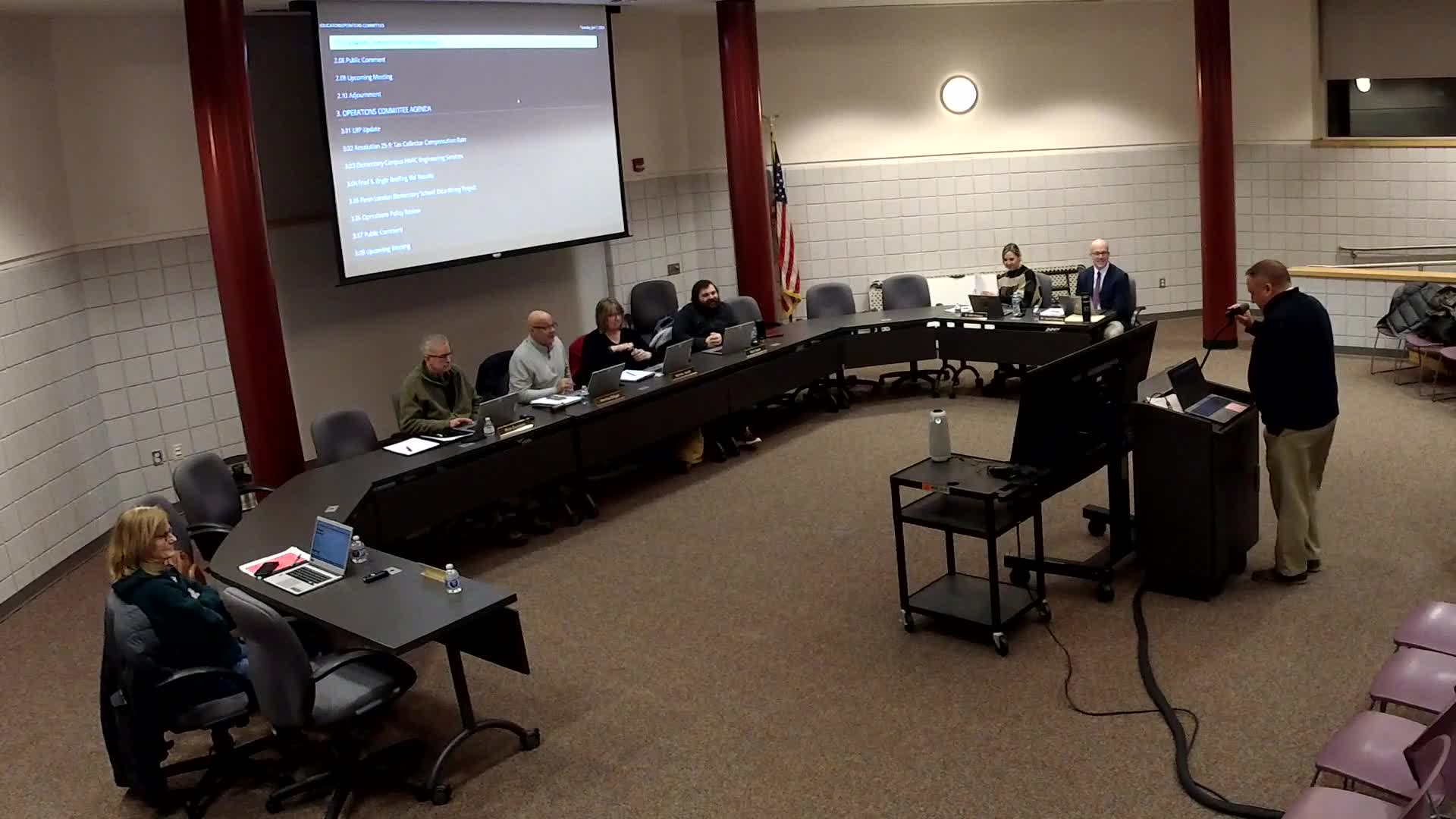
District staff introduced Cartwheel, a private provider that offers school‑based and telehealth mental‑health services, and the firm’s representatives described how their model would integrate with district counseling.
Cartwheel representatives said their service pairs each referred student with a licensed clinician and can provide psychiatry, therapy, parent guidance and care coordination; they described insurance billing for therapy and said the model is intended to minimize wait lists and offer extended hours and bilingual support. The Cartwheel presenters said district partners they already serve include Downingtown Area, Garnet Valley and Great Valley.
Why it matters: District leaders and board members framed the proposal as a potential way to reduce wait times for outpatient care, improve language access and provide wraparound services that students sometimes fail to secure in the community. Staff said current local capacity can leave families waiting; Cartwheel said its model is designed to be in‑network with major insurers and to reduce wait times.
Key details and timeline. Cartwheel presented pricing tiers tied to the number of annual student referrals and said much of direct care is billed to insurance; district staff said the company presented example rates on screen (district staff cited about $27,000 for a 50‑referral tier as an example). Cartwheel described an implementation portal for referrals, dashboard access for district staff and five permission levels for portal users.
Privacy and in‑school logistics. Board members pressed Cartwheel and district staff on privacy, in‑school session logistics and crisis response procedures. Cartwheel said sessions use a HIPAA‑compliant video platform and recommended private physical spaces for in‑school sessions with an adult nearby; staff and board members expressed caution about having teletherapy occur inside school buildings until protocols are finalized.
Medication and clinical care. Cartwheel representatives described a care pathway that can include psychiatric evaluation and medication management provided by child psychiatrists or psychiatric nurse practitioners after informed parental consent; Cartwheel said roughly 10–20% of the students it serves are prescribed medication as part of care.
District next steps. District staff said the presentation was informational and recommended piloting Cartwheel on an at‑home basis with a small number of referrals to test the referral workflow and confirm privacy and clinical guardrails. A board member said she would support an at‑home pilot of about 10 referrals if privacy protections and family satisfaction checks are included. Staff said they would work with Cartwheel to build a limited pilot and report results in the spring.
What was not decided. No contract was approved and no formal vote occurred; pricing tiers and final contract length remain subject to negotiation. The district did not commit to in‑school teletherapy pending development of school‑day privacy, supervision and crisis‑response procedures.
Cartwheel representatives said their service pairs each referred student with a licensed clinician and can provide psychiatry, therapy, parent guidance and care coordination; they described insurance billing for therapy and said the model is intended to minimize wait lists and offer extended hours and bilingual support. The Cartwheel presenters said district partners they already serve include Downingtown Area, Garnet Valley and Great Valley.
Why it matters: District leaders and board members framed the proposal as a potential way to reduce wait times for outpatient care, improve language access and provide wraparound services that students sometimes fail to secure in the community. Staff said current local capacity can leave families waiting; Cartwheel said its model is designed to be in‑network with major insurers and to reduce wait times.
Key details and timeline. Cartwheel presented pricing tiers tied to the number of annual student referrals and said much of direct care is billed to insurance; district staff said the company presented example rates on screen (district staff cited about $27,000 for a 50‑referral tier as an example). Cartwheel described an implementation portal for referrals, dashboard access for district staff and five permission levels for portal users.
Privacy and in‑school logistics. Board members pressed Cartwheel and district staff on privacy, in‑school session logistics and crisis response procedures. Cartwheel said sessions use a HIPAA‑compliant video platform and recommended private physical spaces for in‑school sessions with an adult nearby; staff and board members expressed caution about having teletherapy occur inside school buildings until protocols are finalized.
Medication and clinical care. Cartwheel representatives described a care pathway that can include psychiatric evaluation and medication management provided by child psychiatrists or psychiatric nurse practitioners after informed parental consent; Cartwheel said roughly 10–20% of the students it serves are prescribed medication as part of care.
District next steps. District staff said the presentation was informational and recommended piloting Cartwheel on an at‑home basis with a small number of referrals to test the referral workflow and confirm privacy and clinical guardrails. A board member said she would support an at‑home pilot of about 10 referrals if privacy protections and family satisfaction checks are included. Staff said they would work with Cartwheel to build a limited pilot and report results in the spring.
What was not decided. No contract was approved and no formal vote occurred; pricing tiers and final contract length remain subject to negotiation. The district did not commit to in‑school teletherapy pending development of school‑day privacy, supervision and crisis‑response procedures.
View the Full Meeting & All Its Details
This article offers just a summary. Unlock complete video, transcripts, and insights as a Founder Member.
✓
Watch full, unedited meeting videos
✓
Search every word spoken in unlimited transcripts
✓
AI summaries & real-time alerts (all government levels)
✓
Permanent access to expanding government content
30-day money-back guarantee
