Senate subcommittee advances multiple gaming measures, including proposed Virginia Gaming Commission and electronic gaming revenue lockbox
January 28, 2025 | 2025 Legislature VA, Virginia
This article was created by AI summarizing key points discussed. AI makes mistakes, so for full details and context, please refer to the video of the full meeting. Please report any errors so we can fix them. Report an error »
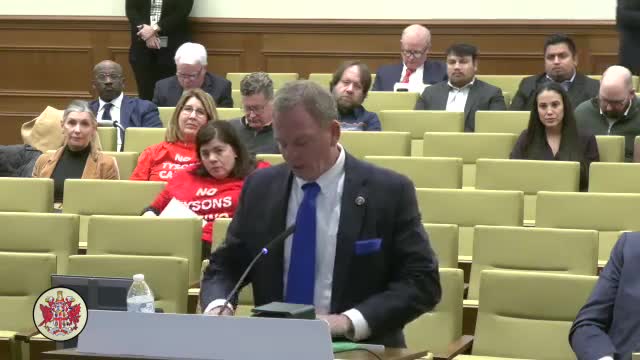
A Senate subcommittee on Thursday took up a cluster of gaming measures ranging from electronic gaming machine rules and revenue distribution to a proposal to create a standalone Virginia Gaming Commission.
Supporters said the bills aim to simplify rules for emerging gaming activity, protect funding for public schools and set a statewide regulatory framework. Opponents and some members urged resolving details in the budget process or keeping oversight with existing agencies.
The most detailed presentation described an electronic gaming bill that would create separate licensing categories for manufacturers, distributors, operators and hosts and impose background checks administered by the Virginia State Police. That bill would place revenues in a so-called double lockbox guaranteeing 70% of net proceeds be allocated to the Department of Education for elementary and secondary education and forbid using the money to supplant current education funding. The sponsor described specific distributions: $300,000,000 (70%) to K–12 education; $64,000,000 (15%) to the host locality with at least one-third of that (about $21,000,000) earmarked for local law enforcement; 5% to a survivors’ military dependents education program (VIMSTEP); 3% for Interstate 81 improvements; 3% for regulation; 2.5% to State Police; and 1.5% to problem gambling treatment and support.
Senators Stepp and Craig presented largely similar electronic gaming bills; their principal differences were the lockbox language and precise distribution formulas and an opt‑out/refund clause for affected host localities. Both sponsors described safeguards including ID checks, single‑site key cards, separate cash‑out terminals, internal locks on machines and criminal‑background checks akin to those used for other regulated occupations.
Senator Reid introduced a separate, larger structural bill to establish the Virginia Gaming Commission as an independent regulatory agency to oversee casinos, sports betting, fantasy contests, charitable gaming, historical horse racing and pari‑mutuel wagering. Under Reid’s proposal the Lottery would remain an independent agency but serve as the project management organization during implementation. The commission would be led by a governor‑appointed commissioner, confirmed by the General Assembly, and governed by an 11‑member board. The draft sets qualifications and conflicts‑of‑interest rules for board members, requires criminal‑background investigations assisted by State Police, preserves the racing commission’s consent role for live horse racing decisions, and creates an interim legislative transition oversight structure to supervise implementation. The introduced budget, the sponsor said, contains a $10 million treasury loan to cover startup costs; a Treasury official said repayment would come from operational proceeds of the Gaming Commission.
Committee members pressed sponsors on splits of revenue, the lottery’s capacity to manage the transition, and whether creating a new agency is the right approach versus leaving oversight with existing entities. Several senators said they preferred to resolve major policy and fiscal details through the budget process rather than legislate final structures during the subcommittee session.
After discussion, the committee recorded motions to pass the electronic gaming bills and the gaming‑commission bill “by for the day” or otherwise defer detailed decision‑making to the budget process so that the measures can be reconciled in budget deliberations and with other stakeholders. A separate local entertainment‑district bill for Fairfax County that would allow a local referendum to authorize a casino was recommended for reporting to the full body by a voice vote after a separate motion.
Ending: Sponsors and some members signaled continued negotiations: electronic gaming sponsors said they would coordinate language between competing bills and committee leadership said the budget package next week would include additional proposals related to tax relief and gaming. No final enactments were adopted at today’s hearing; the committee largely moved the bills forward for later consideration or budget treatment.
Supporters said the bills aim to simplify rules for emerging gaming activity, protect funding for public schools and set a statewide regulatory framework. Opponents and some members urged resolving details in the budget process or keeping oversight with existing agencies.
The most detailed presentation described an electronic gaming bill that would create separate licensing categories for manufacturers, distributors, operators and hosts and impose background checks administered by the Virginia State Police. That bill would place revenues in a so-called double lockbox guaranteeing 70% of net proceeds be allocated to the Department of Education for elementary and secondary education and forbid using the money to supplant current education funding. The sponsor described specific distributions: $300,000,000 (70%) to K–12 education; $64,000,000 (15%) to the host locality with at least one-third of that (about $21,000,000) earmarked for local law enforcement; 5% to a survivors’ military dependents education program (VIMSTEP); 3% for Interstate 81 improvements; 3% for regulation; 2.5% to State Police; and 1.5% to problem gambling treatment and support.
Senators Stepp and Craig presented largely similar electronic gaming bills; their principal differences were the lockbox language and precise distribution formulas and an opt‑out/refund clause for affected host localities. Both sponsors described safeguards including ID checks, single‑site key cards, separate cash‑out terminals, internal locks on machines and criminal‑background checks akin to those used for other regulated occupations.
Senator Reid introduced a separate, larger structural bill to establish the Virginia Gaming Commission as an independent regulatory agency to oversee casinos, sports betting, fantasy contests, charitable gaming, historical horse racing and pari‑mutuel wagering. Under Reid’s proposal the Lottery would remain an independent agency but serve as the project management organization during implementation. The commission would be led by a governor‑appointed commissioner, confirmed by the General Assembly, and governed by an 11‑member board. The draft sets qualifications and conflicts‑of‑interest rules for board members, requires criminal‑background investigations assisted by State Police, preserves the racing commission’s consent role for live horse racing decisions, and creates an interim legislative transition oversight structure to supervise implementation. The introduced budget, the sponsor said, contains a $10 million treasury loan to cover startup costs; a Treasury official said repayment would come from operational proceeds of the Gaming Commission.
Committee members pressed sponsors on splits of revenue, the lottery’s capacity to manage the transition, and whether creating a new agency is the right approach versus leaving oversight with existing entities. Several senators said they preferred to resolve major policy and fiscal details through the budget process rather than legislate final structures during the subcommittee session.
After discussion, the committee recorded motions to pass the electronic gaming bills and the gaming‑commission bill “by for the day” or otherwise defer detailed decision‑making to the budget process so that the measures can be reconciled in budget deliberations and with other stakeholders. A separate local entertainment‑district bill for Fairfax County that would allow a local referendum to authorize a casino was recommended for reporting to the full body by a voice vote after a separate motion.
Ending: Sponsors and some members signaled continued negotiations: electronic gaming sponsors said they would coordinate language between competing bills and committee leadership said the budget package next week would include additional proposals related to tax relief and gaming. No final enactments were adopted at today’s hearing; the committee largely moved the bills forward for later consideration or budget treatment.
View the Full Meeting & All Its Details
This article offers just a summary. Unlock complete video, transcripts, and insights as a Founder Member.
✓
Watch full, unedited meeting videos
✓
Search every word spoken in unlimited transcripts
✓
AI summaries & real-time alerts (all government levels)
✓
Permanent access to expanding government content
30-day money-back guarantee
