Community CARES outlines youth mental-health initiatives and urges clearer crisis-contact pathways
May 02, 2025 | New Canaan, Fairfield, Connecticut
This article was created by AI summarizing key points discussed. AI makes mistakes, so for full details and context, please refer to the video of the full meeting. Please report any errors so we can fix them. Report an error »
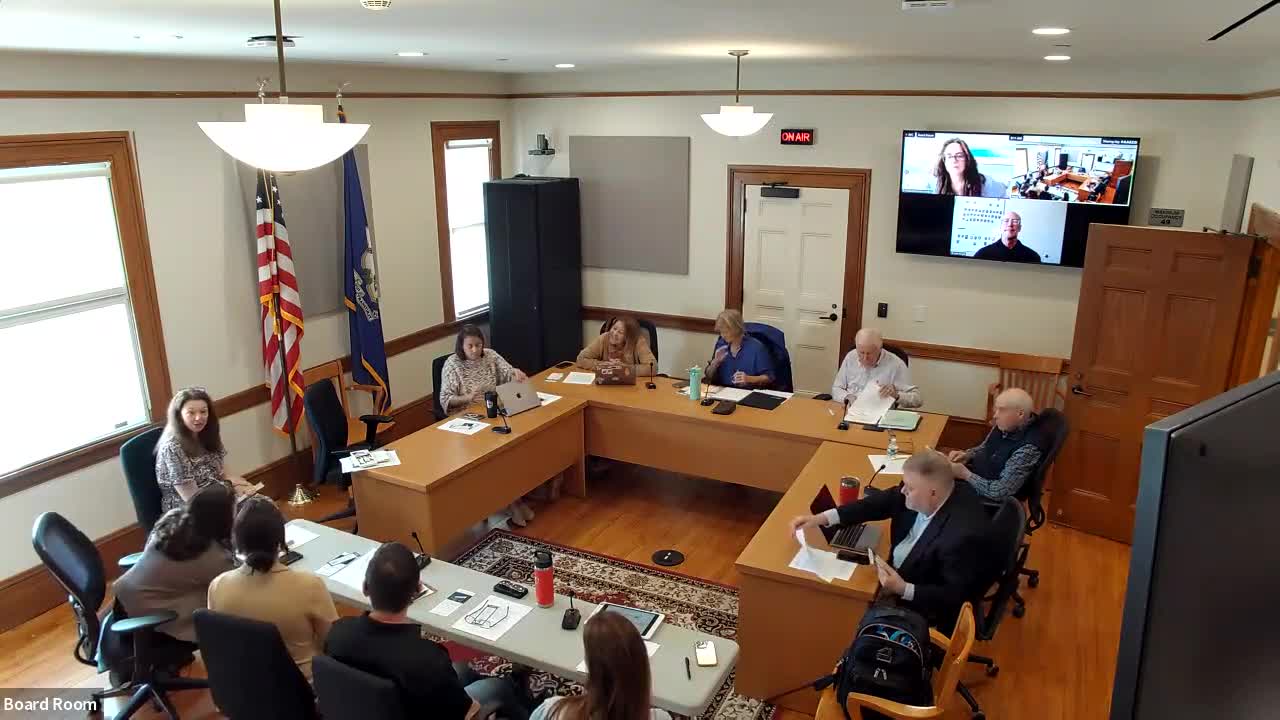
Colleen Prosser, executive director of Community CARES, and program staff summarized recent and planned outreach to New Canaan residents, schools and families.
Colleen said CARES hosted national speaker Chris Herron in March with standing-room attendance for both a student program and an evening community session at the library. Education-and-program manager Morgan (last name not stated) described a vaping presentation at the middle school that drew about 60 attendees, mostly students. CARES provides digital handouts and follow-up resources to registrants and works with school administrators to align presentations with classroom curricula and counselor support.
Speakers discussed crisis resources and how to guide youths and families to help. CARES staff and commissioners noted multiple hotline and contact numbers used by different providers: 988 (national suicide lifeline), 211, a regional urgent-assessment program at Silver Hill and a local "kids in crisis" number at (203) 661-1911, plus school-based Teen Talk counselor coverage. CARES staff emphasized there is no single local number that replaces school-based counselors, 211, or 988; instead staff said residents should reach a trusted adult first and use the service that best fits the situation. The meeting included practical discussion of how the Teen Talk counselor model links school-based counselors with the 24/7 kids-in-crisis phone line and community partners during weekends and school breaks.
CARES staff described prevention and upstream approaches: leadership and social-emotional programs at middle and high schools, preschool parenting programs and parent-education events, unplugged parent groups, and efforts to normalize mental-health awareness. Commissioners urged focus on the "sandwich generation" (residents caring for both children and aging parents) and on intergenerational connections as a prevention strategy. CARES also highlighted partnerships with Silver Hill for urgent-assessment referrals and outreach to families with adult disabled children through organizations such as Inclusive Together and STAR.
On surveys and data, CARES said a meeting with Dr. Lutze and school partners is scheduled to determine how to partner on a youth survey and whether the district will administer a school-based survey or provide focus-group access. CARES staff recommended regular repetition of educational topics at different grade levels and noted that timing and repetition help reach new audiences.
CARES and Human Services also described a community vehicle-repair assistance program run with Touch a Life and CNH Automotive; four residents have received repairs under the model (CNH inspects/repairs and invoices the program).
Colleen said CARES hosted national speaker Chris Herron in March with standing-room attendance for both a student program and an evening community session at the library. Education-and-program manager Morgan (last name not stated) described a vaping presentation at the middle school that drew about 60 attendees, mostly students. CARES provides digital handouts and follow-up resources to registrants and works with school administrators to align presentations with classroom curricula and counselor support.
Speakers discussed crisis resources and how to guide youths and families to help. CARES staff and commissioners noted multiple hotline and contact numbers used by different providers: 988 (national suicide lifeline), 211, a regional urgent-assessment program at Silver Hill and a local "kids in crisis" number at (203) 661-1911, plus school-based Teen Talk counselor coverage. CARES staff emphasized there is no single local number that replaces school-based counselors, 211, or 988; instead staff said residents should reach a trusted adult first and use the service that best fits the situation. The meeting included practical discussion of how the Teen Talk counselor model links school-based counselors with the 24/7 kids-in-crisis phone line and community partners during weekends and school breaks.
CARES staff described prevention and upstream approaches: leadership and social-emotional programs at middle and high schools, preschool parenting programs and parent-education events, unplugged parent groups, and efforts to normalize mental-health awareness. Commissioners urged focus on the "sandwich generation" (residents caring for both children and aging parents) and on intergenerational connections as a prevention strategy. CARES also highlighted partnerships with Silver Hill for urgent-assessment referrals and outreach to families with adult disabled children through organizations such as Inclusive Together and STAR.
On surveys and data, CARES said a meeting with Dr. Lutze and school partners is scheduled to determine how to partner on a youth survey and whether the district will administer a school-based survey or provide focus-group access. CARES staff recommended regular repetition of educational topics at different grade levels and noted that timing and repetition help reach new audiences.
CARES and Human Services also described a community vehicle-repair assistance program run with Touch a Life and CNH Automotive; four residents have received repairs under the model (CNH inspects/repairs and invoices the program).
Don't Miss a Word: See the Full Meeting!
Go beyond summaries. Unlock every video, transcript, and key insight with a Founder Membership.
✓
Get instant access to full meeting videos
✓
Search and clip any phrase from complete transcripts
✓
Receive AI-powered summaries & custom alerts
✓
Enjoy lifetime, unrestricted access to government data
30-day money-back guarantee
