Vermont committee backs model policy to bar student cellphone use “from arrival to dismissal,” tasks AOE with annual review
May 09, 2025 | Education, HOUSE OF REPRESENTATIVES, Committees, Legislative , Vermont
This article was created by AI summarizing key points discussed. AI makes mistakes, so for full details and context, please refer to the video of the full meeting. Please report any errors so we can fix them. Report an error »
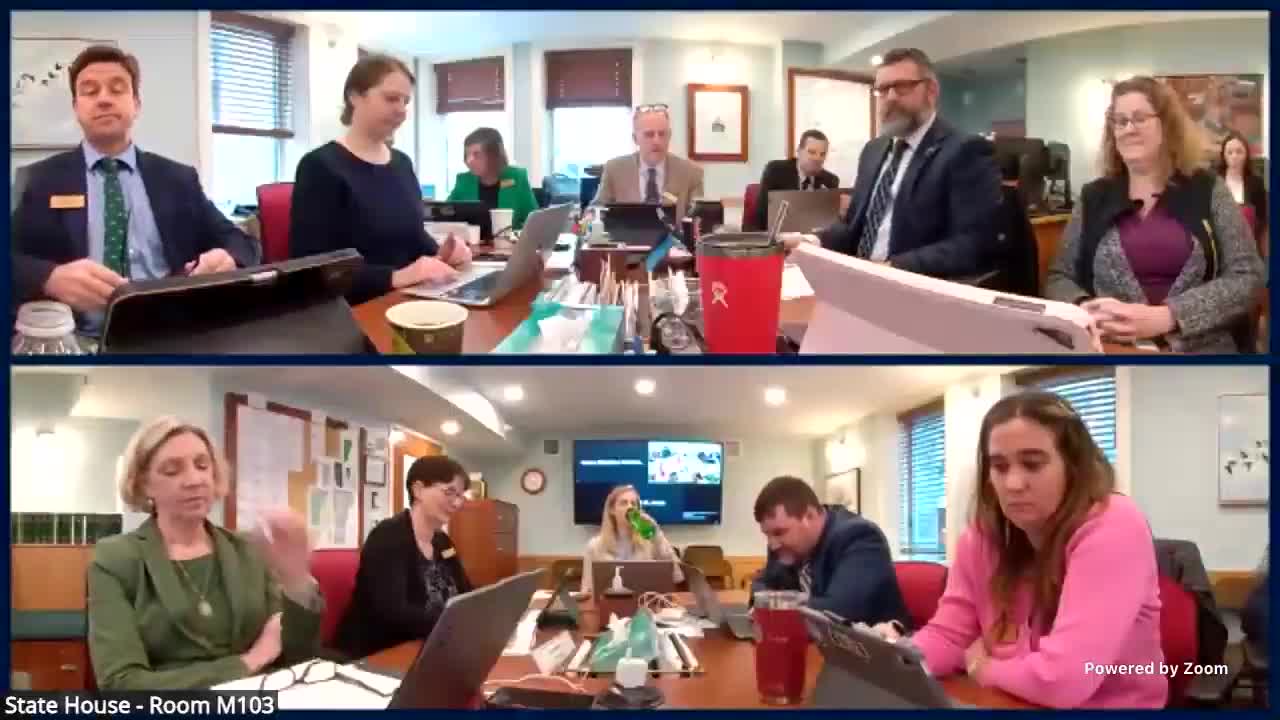
The House Committee on Education on May 9 moved to send draft language to the Senate for inclusion in H.480 that would require the Agency of Education (AOE), in consultation with the Vermont School Boards Association (VSBA), to develop a model student cell phone and personal electronic device policy and to review it at least annually.
The draft language, read into the record by legislative counsel Beth St. James, would “prohibit student use of cell phones and non‑school issued personal electronic devices that connect to cellular networks, the Internet, or have Bluetooth capabilities at school from arrival to dismissal,” while the model policy would provide exceptions for items required by a student’s individualized health care plan, an IEP or 504 plan, or when approved by an administrator for an academic purpose.
Why it matters: the change aims to create a statewide floor so school boards and approved independent schools must adopt policies at least as stringent as the AOE model. Committee members focused on scope (cell phones only versus broader electronic devices), enforceability, whether possession as well as use should be prohibited, and the timeline for implementation.
What the committee discussed
- Scope and phrasing. Representative Harpold argued for stronger language, saying it is “much clearer” to “prohibit use of cell phones and personal electronic devices at school from arrival to dismissal” rather than the draft’s softer “limit or prohibit.” Beth St. James summarized the working draft and the committee repeatedly returned to whether to keep the focus strictly on cell phones or to include a defined set of personal electronic devices such as smartwatches, tablets, and Bluetooth accessories.
- Definitions and enforcement. Several members worried that too‑broad device language would burden school staff. Representative Taylor and others suggested limiting the statutory list to “non‑school issued personal electronic devices that connect to cellular networks, Bluetooth, or Wi‑Fi,” while leaving AOE discretion to revisit other technologies as they emerge. Committee participants agreed to remove the word “possession” from the statutory prohibition to avoid creating a basis for routine bag searches; the final draft focuses on use.
- Exceptions and administrators’ discretion. The model policy would explicitly permit exceptions documented through a student’s individualized health care plan, IEP, or 504 plan, or when an administrator approves device use for an academic purpose. Committee members noted those exceptions repeatedly during discussion.
- Implementation timeline. The draft session‑law language under discussion would require AOE to develop and publish the model policy on or before Jan. 1, 2026, and would require school boards and approved independent schools to adopt policies by July 1, 2026, to be effective in the 2026–27 school year. Committee staff flagged that the bill’s stated effective date of July 1, 2025 would make the social‑media prohibition live before the AOE model is due; members discussed that timing and its implications for districts.
- Social media communications. The committee also considered a separate provision limiting schools’ use of social media to communicate directly with students. The draft would prohibit direct communication via social media unless a district or governing body approved a program or platform that “allows school officials to archive all communications and prevent all communications from being edited or deleted once a communication has been sent,” and would bar requiring students to use social media for out‑of‑school academic work or extracurricular activities.
Voices from the meeting
- Beth St. James, legislative counsel, summarized the draft and the committee’s edits: “I’ve taken out the section giving broader AOE discretion and crafted language that prohibits student use of cell phones and non‑school issued personal electronic devices that connect to cellular networks, the Internet, or have Bluetooth capabilities at school from arrival to dismissal.”
- Representative Harpold argued for clearer statutory language: “Prohibit use of cell phones and personal electronic devices at school from arrival to dismissal is much clearer than limit or prohibit.”
- Representative Brady raised a concern about delegating the work: “I’m concerned about the model policy route for this domain because it is even more complicated than smartwatches and personal devices and things. And so I worry we are passing the buck and it’s going to be a mess for AOE in the field to go into the same morass.”
Committee direction and next steps
Committee members agreed to forward the committee draft to the Senate for consideration as part of H.480 while preserving committee members’ ability to revisit language if changes are made in the Senate. On implementation timing, members discussed two key dates in the draft: AOE’s deadline to publish a model policy (Jan. 1, 2026) and the deadline for boards and approved independent schools to adopt policies (July 1, 2026). Members also agreed the model policy should be reviewed at least annually.
What the draft would do and what it would not
- The draft creates a statewide minimum standard (the model policy) that each school board and approved independent school must adopt or be presumed to have adopted.
- The draft focuses on prohibiting student use (not possession) during the school day, with enumerated exceptions for medical/IEP/504 needs and administrator‑approved academic use.
- The draft gives AOE responsibility for model language and review; it does not itself spell out enforcement mechanics at the school level.
Remaining points of contention
Committee members voiced continuing differences about how prescriptive the statutory device definitions should be, how aggressively districts should be required to archive digital communications, and whether the statute or a model policy is the better vehicle for the social media provisions. Several expressed concern about creating unfunded or time‑intensive obligations for AOE and local boards.
What to watch
If the Senate alters the draft when H.480 is considered, committee members said they will revisit the language. The two implementation deadlines in the draft—AOE model policy by Jan. 1, 2026, and board adoption by July 1, 2026—will determine how quickly school systems must change local practice.
No formal committee vote on final text was recorded in the transcript; the chair said the committee would send the current language to the Senate for consideration and reconvene if significant changes emerge.
The draft language, read into the record by legislative counsel Beth St. James, would “prohibit student use of cell phones and non‑school issued personal electronic devices that connect to cellular networks, the Internet, or have Bluetooth capabilities at school from arrival to dismissal,” while the model policy would provide exceptions for items required by a student’s individualized health care plan, an IEP or 504 plan, or when approved by an administrator for an academic purpose.
Why it matters: the change aims to create a statewide floor so school boards and approved independent schools must adopt policies at least as stringent as the AOE model. Committee members focused on scope (cell phones only versus broader electronic devices), enforceability, whether possession as well as use should be prohibited, and the timeline for implementation.
What the committee discussed
- Scope and phrasing. Representative Harpold argued for stronger language, saying it is “much clearer” to “prohibit use of cell phones and personal electronic devices at school from arrival to dismissal” rather than the draft’s softer “limit or prohibit.” Beth St. James summarized the working draft and the committee repeatedly returned to whether to keep the focus strictly on cell phones or to include a defined set of personal electronic devices such as smartwatches, tablets, and Bluetooth accessories.
- Definitions and enforcement. Several members worried that too‑broad device language would burden school staff. Representative Taylor and others suggested limiting the statutory list to “non‑school issued personal electronic devices that connect to cellular networks, Bluetooth, or Wi‑Fi,” while leaving AOE discretion to revisit other technologies as they emerge. Committee participants agreed to remove the word “possession” from the statutory prohibition to avoid creating a basis for routine bag searches; the final draft focuses on use.
- Exceptions and administrators’ discretion. The model policy would explicitly permit exceptions documented through a student’s individualized health care plan, IEP, or 504 plan, or when an administrator approves device use for an academic purpose. Committee members noted those exceptions repeatedly during discussion.
- Implementation timeline. The draft session‑law language under discussion would require AOE to develop and publish the model policy on or before Jan. 1, 2026, and would require school boards and approved independent schools to adopt policies by July 1, 2026, to be effective in the 2026–27 school year. Committee staff flagged that the bill’s stated effective date of July 1, 2025 would make the social‑media prohibition live before the AOE model is due; members discussed that timing and its implications for districts.
- Social media communications. The committee also considered a separate provision limiting schools’ use of social media to communicate directly with students. The draft would prohibit direct communication via social media unless a district or governing body approved a program or platform that “allows school officials to archive all communications and prevent all communications from being edited or deleted once a communication has been sent,” and would bar requiring students to use social media for out‑of‑school academic work or extracurricular activities.
Voices from the meeting
- Beth St. James, legislative counsel, summarized the draft and the committee’s edits: “I’ve taken out the section giving broader AOE discretion and crafted language that prohibits student use of cell phones and non‑school issued personal electronic devices that connect to cellular networks, the Internet, or have Bluetooth capabilities at school from arrival to dismissal.”
- Representative Harpold argued for clearer statutory language: “Prohibit use of cell phones and personal electronic devices at school from arrival to dismissal is much clearer than limit or prohibit.”
- Representative Brady raised a concern about delegating the work: “I’m concerned about the model policy route for this domain because it is even more complicated than smartwatches and personal devices and things. And so I worry we are passing the buck and it’s going to be a mess for AOE in the field to go into the same morass.”
Committee direction and next steps
Committee members agreed to forward the committee draft to the Senate for consideration as part of H.480 while preserving committee members’ ability to revisit language if changes are made in the Senate. On implementation timing, members discussed two key dates in the draft: AOE’s deadline to publish a model policy (Jan. 1, 2026) and the deadline for boards and approved independent schools to adopt policies (July 1, 2026). Members also agreed the model policy should be reviewed at least annually.
What the draft would do and what it would not
- The draft creates a statewide minimum standard (the model policy) that each school board and approved independent school must adopt or be presumed to have adopted.
- The draft focuses on prohibiting student use (not possession) during the school day, with enumerated exceptions for medical/IEP/504 needs and administrator‑approved academic use.
- The draft gives AOE responsibility for model language and review; it does not itself spell out enforcement mechanics at the school level.
Remaining points of contention
Committee members voiced continuing differences about how prescriptive the statutory device definitions should be, how aggressively districts should be required to archive digital communications, and whether the statute or a model policy is the better vehicle for the social media provisions. Several expressed concern about creating unfunded or time‑intensive obligations for AOE and local boards.
What to watch
If the Senate alters the draft when H.480 is considered, committee members said they will revisit the language. The two implementation deadlines in the draft—AOE model policy by Jan. 1, 2026, and board adoption by July 1, 2026—will determine how quickly school systems must change local practice.
No formal committee vote on final text was recorded in the transcript; the chair said the committee would send the current language to the Senate for consideration and reconvene if significant changes emerge.
View the Full Meeting & All Its Details
This article offers just a summary. Unlock complete video, transcripts, and insights as a Founder Member.
✓
Watch full, unedited meeting videos
✓
Search every word spoken in unlimited transcripts
✓
AI summaries & real-time alerts (all government levels)
✓
Permanent access to expanding government content
30-day money-back guarantee
