Committee considers targeted state tools to address abandoned properties and support land‑banking
May 09, 2025 | General & Housing, HOUSE OF REPRESENTATIVES, Committees, Legislative , Vermont
This article was created by AI summarizing key points discussed. AI makes mistakes, so for full details and context, please refer to the video of the full meeting. Please report any errors so we can fix them. Report an error »
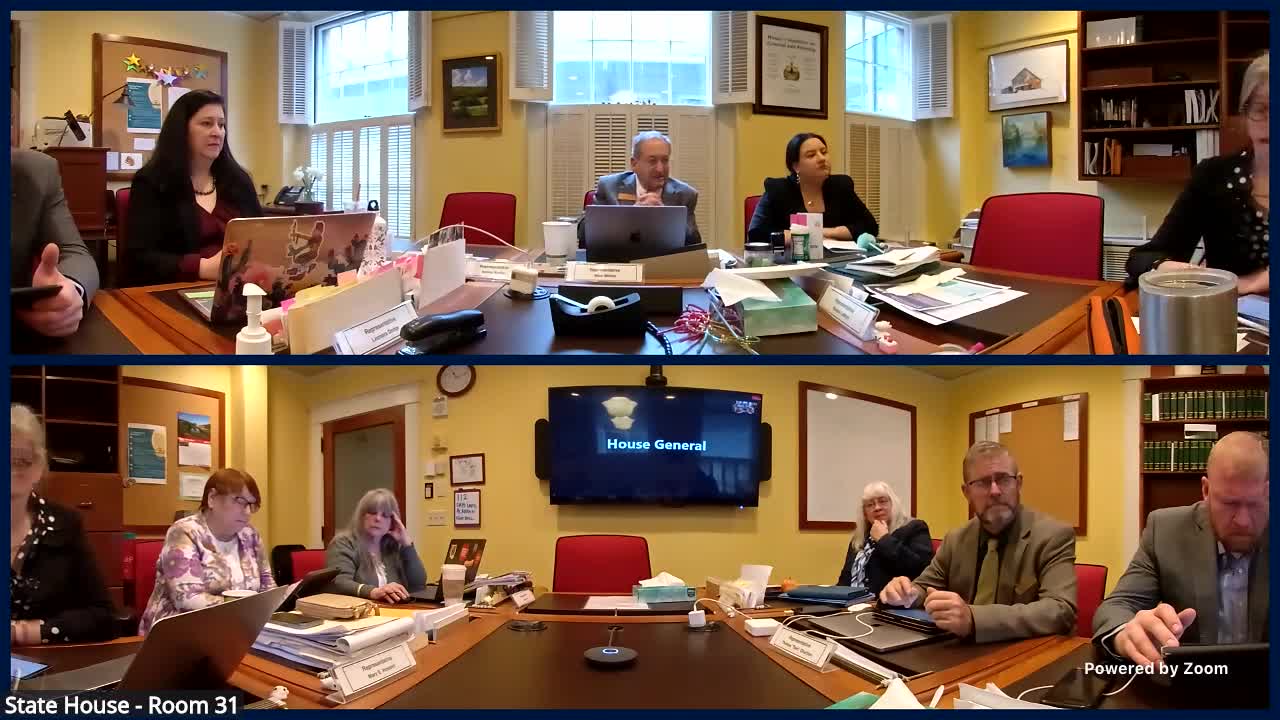
The House General & Housing Committee devoted a significant portion of the meeting to abandoned and delinquent properties, exploring state tools that towns could use to address hazardous vacant houses and inherited properties that sit vacant while taxes are paid by absentee heirs.
Representative Elizabeth described properties in her district with chronic abandonment, public‑health hazards and squatting, and urged tailored state solutions. Committee members discussed two primary avenues: using land banks and refining tax‑sale procedures so municipalities can more readily acquire and rehabilitate abandoned properties while protecting occupants and due‑process rights.
The committee noted a Department for Housing and Community Development follow‑up report on land banks is due in November and could inform a bill. Members proposed narrowly tailored statutory changes such as expedited procedures when a property is demonstrably vacant and hazardous, conditional sale provisions requiring purchasers to use the property for community benefit (for example, affordable rental or transitional housing), and potential incentives or tax abatements to offset rehabilitation costs. Several members cautioned about unintended consequences and emphasized safeguards to avoid displacing vulnerable occupants.
Discussion included the use of local ordinances to address vacant lots and nuisance properties (for example, fines for unmaintained lawns) and examples where tax‑sale purchasers have encountered legal complications, bankruptcies or lengthy court processes. Committee members proposed outreach to select boards and municipal officials to collect local perspectives and to tailor state‑level responses. The committee asked staff to compile input from Windsor and other localities and to coordinate summer outreach; members expressed interest in drafting narrowly targeted legislative options based on that input.
No bill was enacted in the meeting; members agreed to pursue targeted research, municipal outreach and to review the November land‑bank report before drafting legislation.
Representative Elizabeth described properties in her district with chronic abandonment, public‑health hazards and squatting, and urged tailored state solutions. Committee members discussed two primary avenues: using land banks and refining tax‑sale procedures so municipalities can more readily acquire and rehabilitate abandoned properties while protecting occupants and due‑process rights.
The committee noted a Department for Housing and Community Development follow‑up report on land banks is due in November and could inform a bill. Members proposed narrowly tailored statutory changes such as expedited procedures when a property is demonstrably vacant and hazardous, conditional sale provisions requiring purchasers to use the property for community benefit (for example, affordable rental or transitional housing), and potential incentives or tax abatements to offset rehabilitation costs. Several members cautioned about unintended consequences and emphasized safeguards to avoid displacing vulnerable occupants.
Discussion included the use of local ordinances to address vacant lots and nuisance properties (for example, fines for unmaintained lawns) and examples where tax‑sale purchasers have encountered legal complications, bankruptcies or lengthy court processes. Committee members proposed outreach to select boards and municipal officials to collect local perspectives and to tailor state‑level responses. The committee asked staff to compile input from Windsor and other localities and to coordinate summer outreach; members expressed interest in drafting narrowly targeted legislative options based on that input.
No bill was enacted in the meeting; members agreed to pursue targeted research, municipal outreach and to review the November land‑bank report before drafting legislation.
View the Full Meeting & All Its Details
This article offers just a summary. Unlock complete video, transcripts, and insights as a Founder Member.
✓
Watch full, unedited meeting videos
✓
Search every word spoken in unlimited transcripts
✓
AI summaries & real-time alerts (all government levels)
✓
Permanent access to expanding government content
30-day money-back guarantee
