Kenosha Unified recommends OpenSciEd adoption for grades 6–8, seeks $260,000 for kits and training
May 16, 2025 | Kenosha School District, School Districts, Wisconsin
This article was created by AI summarizing key points discussed. AI makes mistakes, so for full details and context, please refer to the video of the full meeting. Please report any errors so we can fix them. Report an error »
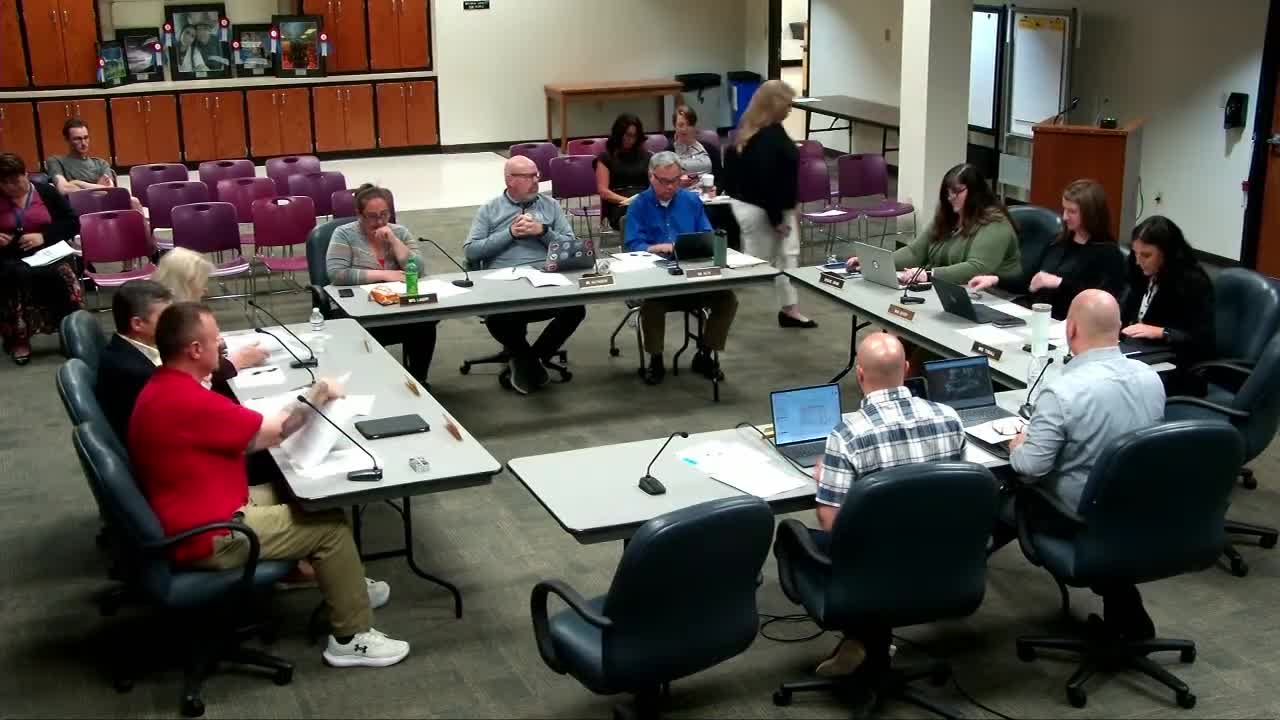
Kenosha Unified staff told the board they plan to adopt OpenSciEd instructional materials for sixth through eighth grade science and are seeking district funds for the materials and professional learning to support teachers.
The proposal matters because the district’s curriculum budget for adoptions this year has been reduced and staff said adopting OpenSciEd would align instruction with the Next Generation Science Standards the board previously adopted.
Dr. Weiss introduced the item and Jen Lawler, coordinator of secondary science and math, described the adoption process and recommended materials. Lawler said the district has $500,000 budgeted for all curriculum adoptions this year and that staff recommend roughly $260,000 for the middle-school science purchase, primarily to buy hands-on kits and to fund professional development. “We chose curriculum that is vetted and highly rated, and we are supporting that curriculum with the kits…the professional learning that comes with it too,” Lawler said.
Lawler said OpenSciEd is an open education resource developed to match the Next Generation Science Standards and that the materials are highly rated by EdReports. She said the kits cost about $5,000 per unit and that the initial purchase would cover most durable materials for the life of the program, with only routine consumable replenishment expected afterward.
Staff also described a potential philanthropic partnership: the Einstein Project, a UW–Green Bay nonprofit, offered to write a grant and to provide a year-long professional learning implementation plan that could help fund kits and provide coaching. Lawler said the district was “very hopeful” about that grant and that the professional learning was “the most important piece” for successful implementation.
Board members asked about the curriculum’s hands-on and field-based emphasis. Lawler explained OpenSciEd frames instruction around phenomena and engineering design, integrates disciplinary areas, and shifts teachers to facilitation roles. She outlined a four-day initial summer institute for teachers plus ongoing professional learning during district professional days and a year-long teacher academy.
Lawler and staff contrasted the OpenSciEd budget to prior commercial options: staff said a commercial program for a seven-year adoption was estimated at about $750,000 and that the district’s full curriculum-adoption budget had been about $2.2 million in prior cycles. Staff emphasized the district still needs to address high-school biology/chemistry/physics materials in later work.
The item was presented for board consideration as an adoption agenda item; staff described costs, implementation supports and ongoing professional development but did not record a final board vote during the presentation.
Ending: Staff said they will seek philanthropic support from the Einstein Project, finalize professional learning plans and return for the board’s formal adoption vote.
The proposal matters because the district’s curriculum budget for adoptions this year has been reduced and staff said adopting OpenSciEd would align instruction with the Next Generation Science Standards the board previously adopted.
Dr. Weiss introduced the item and Jen Lawler, coordinator of secondary science and math, described the adoption process and recommended materials. Lawler said the district has $500,000 budgeted for all curriculum adoptions this year and that staff recommend roughly $260,000 for the middle-school science purchase, primarily to buy hands-on kits and to fund professional development. “We chose curriculum that is vetted and highly rated, and we are supporting that curriculum with the kits…the professional learning that comes with it too,” Lawler said.
Lawler said OpenSciEd is an open education resource developed to match the Next Generation Science Standards and that the materials are highly rated by EdReports. She said the kits cost about $5,000 per unit and that the initial purchase would cover most durable materials for the life of the program, with only routine consumable replenishment expected afterward.
Staff also described a potential philanthropic partnership: the Einstein Project, a UW–Green Bay nonprofit, offered to write a grant and to provide a year-long professional learning implementation plan that could help fund kits and provide coaching. Lawler said the district was “very hopeful” about that grant and that the professional learning was “the most important piece” for successful implementation.
Board members asked about the curriculum’s hands-on and field-based emphasis. Lawler explained OpenSciEd frames instruction around phenomena and engineering design, integrates disciplinary areas, and shifts teachers to facilitation roles. She outlined a four-day initial summer institute for teachers plus ongoing professional learning during district professional days and a year-long teacher academy.
Lawler and staff contrasted the OpenSciEd budget to prior commercial options: staff said a commercial program for a seven-year adoption was estimated at about $750,000 and that the district’s full curriculum-adoption budget had been about $2.2 million in prior cycles. Staff emphasized the district still needs to address high-school biology/chemistry/physics materials in later work.
The item was presented for board consideration as an adoption agenda item; staff described costs, implementation supports and ongoing professional development but did not record a final board vote during the presentation.
Ending: Staff said they will seek philanthropic support from the Einstein Project, finalize professional learning plans and return for the board’s formal adoption vote.
Don't Miss a Word: See the Full Meeting!
Go beyond summaries. Unlock every video, transcript, and key insight with a Founder Membership.
✓
Get instant access to full meeting videos
✓
Search and clip any phrase from complete transcripts
✓
Receive AI-powered summaries & custom alerts
✓
Enjoy lifetime, unrestricted access to government data
30-day money-back guarantee
