Committee postpones public hearing on local law asserting rights of Esopus, Rondout and Wallkill waterways
June 04, 2025 | Ulster County, New York
This article was created by AI summarizing key points discussed. AI makes mistakes, so for full details and context, please refer to the video of the full meeting. Please report any errors so we can fix them. Report an error »
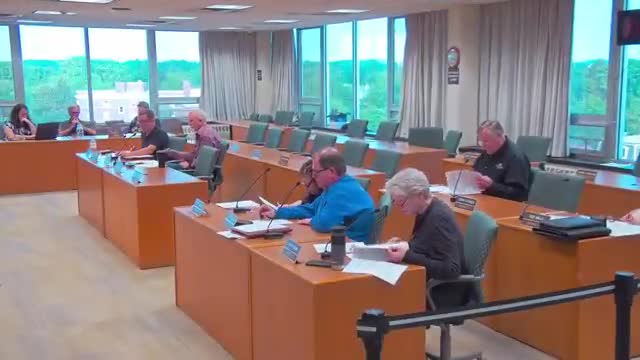
The committee postponed a planned public hearing on a proposed local law that would recognize and prioritize the protection and restoration of the Esopus Creek, Rondout Creek and Wallkill River and asserted residents' rights to clean water.
Legislators divided on the measure said they supported the goal of stronger water protections but sought clarity about legal implications and implementation. Deputy Executive LaValle said county attorneys advised that the proposed law would not expand legal rights beyond existing state and federal protections or the Green Amendment but could impose a significant new workload on the executive branch and county departments. "It did put the oneness on the County Executive and the Department of the Environment to implement these amorphous policy statements," LaValle said.
Why it matters: the draft local law would attach new local policy direction and responsibilities to county government and could require staff, funding and procedural changes to monitor and restore waterways. Committee members asked for language changes and for more analysis of operational impacts before advancing the law.
Discussion highlights
- Legal opinions and risk: committee members were told legislative counsel and staff have differing views; Deputy Executive LaValle said county attorney review found the law would not expand existing rights but would shift implementation burdens to county departments.
- Implementation and prioritization: several legislators expressed concern that the draft's broad directive to "prioritize" waterways could effectively mandate new programs and funding without specified sources. Legislator Nolan asked for concrete examples of actions the law would require before voting on a public hearing.
- Draft length and scope: some members said the preamble and findings were lengthy and included references to laws and examples from other jurisdictions that were not directly relevant to Ulster County; they suggested paring the language and clarifying local priorities.
Ending
The committee moved to postpone consideration to permit additional legal review, to collect suggested revisions and to allow the executive to provide more detailed information about staffing and fiscal implications. No vote on the law itself was taken at the June 3 meeting.
Legislators divided on the measure said they supported the goal of stronger water protections but sought clarity about legal implications and implementation. Deputy Executive LaValle said county attorneys advised that the proposed law would not expand legal rights beyond existing state and federal protections or the Green Amendment but could impose a significant new workload on the executive branch and county departments. "It did put the oneness on the County Executive and the Department of the Environment to implement these amorphous policy statements," LaValle said.
Why it matters: the draft local law would attach new local policy direction and responsibilities to county government and could require staff, funding and procedural changes to monitor and restore waterways. Committee members asked for language changes and for more analysis of operational impacts before advancing the law.
Discussion highlights
- Legal opinions and risk: committee members were told legislative counsel and staff have differing views; Deputy Executive LaValle said county attorney review found the law would not expand existing rights but would shift implementation burdens to county departments.
- Implementation and prioritization: several legislators expressed concern that the draft's broad directive to "prioritize" waterways could effectively mandate new programs and funding without specified sources. Legislator Nolan asked for concrete examples of actions the law would require before voting on a public hearing.
- Draft length and scope: some members said the preamble and findings were lengthy and included references to laws and examples from other jurisdictions that were not directly relevant to Ulster County; they suggested paring the language and clarifying local priorities.
Ending
The committee moved to postpone consideration to permit additional legal review, to collect suggested revisions and to allow the executive to provide more detailed information about staffing and fiscal implications. No vote on the law itself was taken at the June 3 meeting.
Don't Miss a Word: See the Full Meeting!
Go beyond summaries. Unlock every video, transcript, and key insight with a Founder Membership.
✓
Get instant access to full meeting videos
✓
Search and clip any phrase from complete transcripts
✓
Receive AI-powered summaries & custom alerts
✓
Enjoy lifetime, unrestricted access to government data
30-day money-back guarantee
