RSU 04 end-of-year data show mixed assessment results; district plans curriculum review and attendance push
June 26, 2025 | RSU 04, School Districts, Maine
This article was created by AI summarizing key points discussed. AI makes mistakes, so for full details and context, please refer to the video of the full meeting. Please report any errors so we can fix them. Report an error »
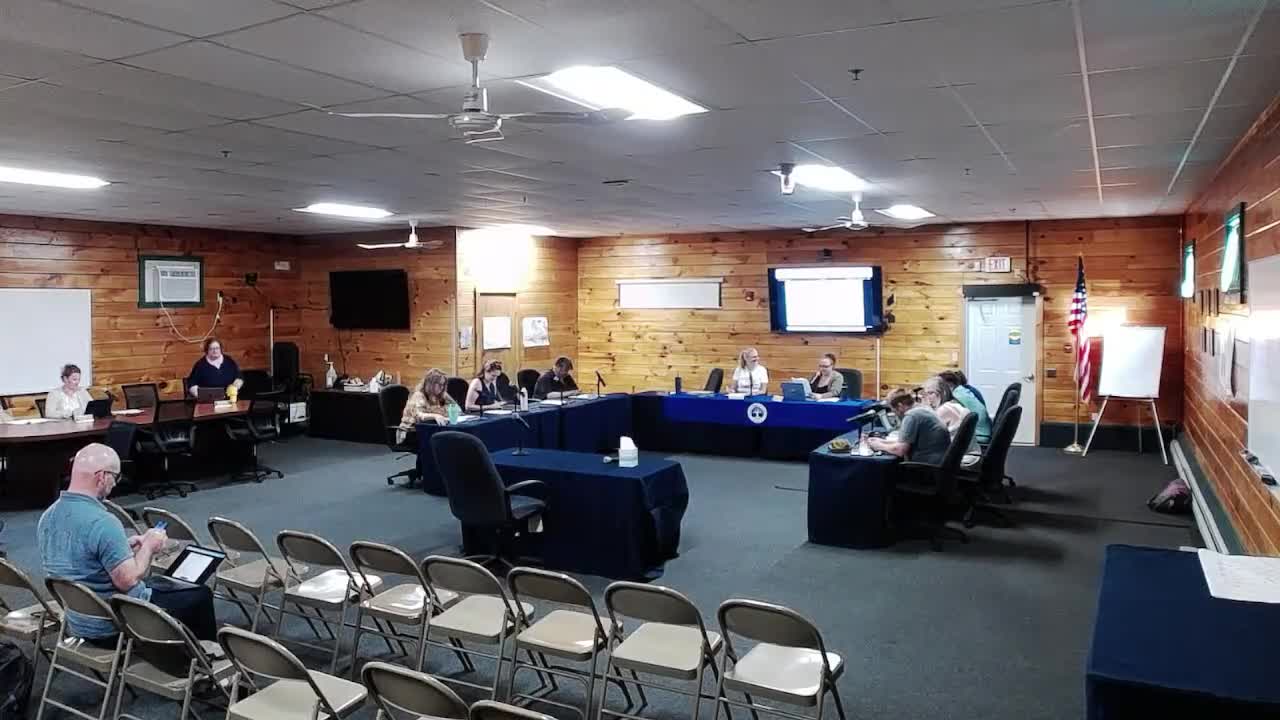
Shelly Mogoll, the district’s director of curriculum, assessment and instruction, presented RSU 04’s end-of-year academic and behavioral data and outlined next steps for the 2025–26 school year.
Mogoll told the school board that while not all schools met their district growth goals on the NWEA, the percentage of students meeting individual growth targets was “up or either level or up in every school” on the reading assessment. She cautioned the board that year‑to‑year comparisons are complicated when student populations change from one year to the next.
The presentation highlighted diagnostic early‑literacy results that Mogoll said show clearer year‑over‑year progress. On DIBELS (a phonics and foundational‑skills assessment), she reported that 54 percent of kindergartners at Libby Tozier were proficient on letter‑naming fluency this spring and that 38 percent of Sabattus Primary School (SPS) first graders were proficient in nonsense‑word fluency. Mogoll compared a cohort that rose from 16 percent proficiency to 38 percent over the year and credited targeted curriculum materials and instructional supports, naming Heggerty and Really Great Reading as key tools used with fidelity in primary grades.
Behavior data and PBIS implementation were also discussed. Mogoll said elementary schools were in their second year of PBIS work and that tracking with the SWIS system improved during the year; she noted that increased use of SWIS can raise referral counts even when behavior management is improving. The district saw a drop in office‑managed behaviors at the high school from 261 incidents last year to 164 this year. Mogoll said administrators reported anecdotal improvement but cautioned that totals can be skewed by a small number of students with many referrals.
Attendance was raised as a major variable affecting achievement. Mogoll explained that “chronic absence” is defined by the state as missing 10 percent or more of school days, which for this report equates to about 17.5 days by spring. She noted Libby Tozier’s spring average daily attendance was 91.4 percent against a 95 percent goal, and said transportation problems and seasonal illness stretches had contributed to absences at times during the year.
For next steps, Mogoll said principals will set dual goals that include both growth and proficiency so the district can monitor whether students make year‑to‑year gains and reach grade‑level benchmarks. She said she will bring a proposal for a multi‑year curriculum review (math and literacy prioritized) to the CAI committee in the fall and that the district will standardize and refine professional learning group (PLG) protocols, expand regular district attendance meetings so one team member can coordinate support for families with multiple students across schools, and examine how interventionists are deployed (push‑in versus pull‑out).
Mogoll also told the board the district has lost both literacy coaches for next year—Becky D’Alessandro and Jen Lane—and that she has posted for one literacy coach because Title II funding is still uncertain. She said interventionist staffing will remain at current levels and that she will produce multi‑year, grade‑level charts with fall and spring comparisons for both reading and math after the July 4 break.
Board members asked for more cohort‑level reporting and grade‑by‑grade breakdowns tied to individual student progress; Mogoll agreed to deliver those reports once she returns from vacation. She said the district will move from SWIS to PowerSchool behavior tracking to make longitudinal reports easier to run.
Mogoll closed the presentation by reiterating the district’s focus on combining growth goals with proficiency targets and on strengthening coaching and intervention practices to improve outcomes for students.
Mogoll told the school board that while not all schools met their district growth goals on the NWEA, the percentage of students meeting individual growth targets was “up or either level or up in every school” on the reading assessment. She cautioned the board that year‑to‑year comparisons are complicated when student populations change from one year to the next.
The presentation highlighted diagnostic early‑literacy results that Mogoll said show clearer year‑over‑year progress. On DIBELS (a phonics and foundational‑skills assessment), she reported that 54 percent of kindergartners at Libby Tozier were proficient on letter‑naming fluency this spring and that 38 percent of Sabattus Primary School (SPS) first graders were proficient in nonsense‑word fluency. Mogoll compared a cohort that rose from 16 percent proficiency to 38 percent over the year and credited targeted curriculum materials and instructional supports, naming Heggerty and Really Great Reading as key tools used with fidelity in primary grades.
Behavior data and PBIS implementation were also discussed. Mogoll said elementary schools were in their second year of PBIS work and that tracking with the SWIS system improved during the year; she noted that increased use of SWIS can raise referral counts even when behavior management is improving. The district saw a drop in office‑managed behaviors at the high school from 261 incidents last year to 164 this year. Mogoll said administrators reported anecdotal improvement but cautioned that totals can be skewed by a small number of students with many referrals.
Attendance was raised as a major variable affecting achievement. Mogoll explained that “chronic absence” is defined by the state as missing 10 percent or more of school days, which for this report equates to about 17.5 days by spring. She noted Libby Tozier’s spring average daily attendance was 91.4 percent against a 95 percent goal, and said transportation problems and seasonal illness stretches had contributed to absences at times during the year.
For next steps, Mogoll said principals will set dual goals that include both growth and proficiency so the district can monitor whether students make year‑to‑year gains and reach grade‑level benchmarks. She said she will bring a proposal for a multi‑year curriculum review (math and literacy prioritized) to the CAI committee in the fall and that the district will standardize and refine professional learning group (PLG) protocols, expand regular district attendance meetings so one team member can coordinate support for families with multiple students across schools, and examine how interventionists are deployed (push‑in versus pull‑out).
Mogoll also told the board the district has lost both literacy coaches for next year—Becky D’Alessandro and Jen Lane—and that she has posted for one literacy coach because Title II funding is still uncertain. She said interventionist staffing will remain at current levels and that she will produce multi‑year, grade‑level charts with fall and spring comparisons for both reading and math after the July 4 break.
Board members asked for more cohort‑level reporting and grade‑by‑grade breakdowns tied to individual student progress; Mogoll agreed to deliver those reports once she returns from vacation. She said the district will move from SWIS to PowerSchool behavior tracking to make longitudinal reports easier to run.
Mogoll closed the presentation by reiterating the district’s focus on combining growth goals with proficiency targets and on strengthening coaching and intervention practices to improve outcomes for students.
View the Full Meeting & All Its Details
This article offers just a summary. Unlock complete video, transcripts, and insights as a Founder Member.
✓
Watch full, unedited meeting videos
✓
Search every word spoken in unlimited transcripts
✓
AI summaries & real-time alerts (all government levels)
✓
Permanent access to expanding government content
30-day money-back guarantee
