Massapequa board reviews slate of proposed state resolutions; tables idea for Long Island-specific assessment
June 27, 2025 | MASSAPEQUA UNION FREE SCHOOL DISTRICT, School Districts, New York
This article was created by AI summarizing key points discussed. AI makes mistakes, so for full details and context, please refer to the video of the full meeting. Please report any errors so we can fix them. Report an error »
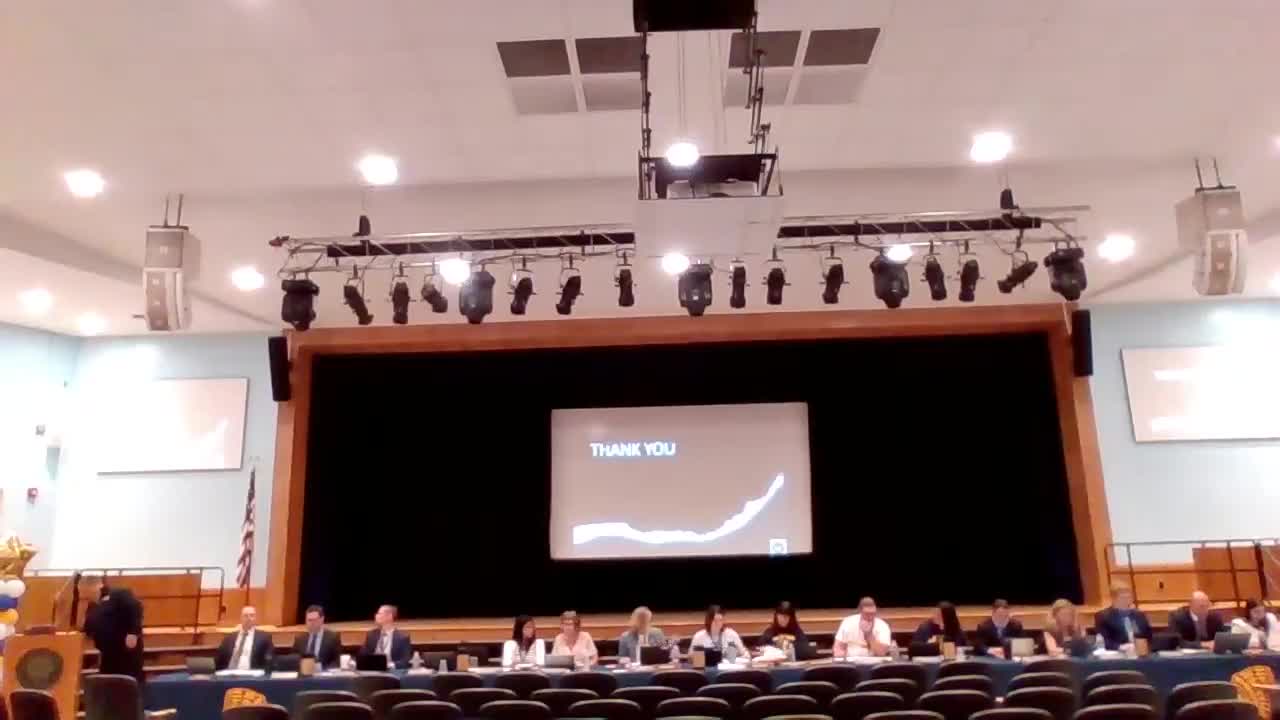
The Massapequa Union Free School District Board of Education reviewed a package of municipal resolutions on June 26 that the district can submit to the regional school boards association (referred to in the meeting as NISPA/NISBRA). The package included items on how the association processes proposed resolutions, academic‑standards language, restoring local authority for school districts and a proposal to develop a Long Island–localized 3–8 assessment.
Why it matters: Resolutions adopted by the regional association can become advocacy positions presented to the State Education Department and legislators; the board’s decisions indicate which positions it will ask the association to carry forward.
Board members discussed four Massapequa-origin proposals and other resolutions from neighboring districts. Those Massapequa proposals included: ensuring direct member voting on resolutions (to reduce the effect of committee recommendations), advocating for academic excellence and high expectations in any curricular or standards changes, seeking to classify school districts as municipal entities to strengthen local control, and a proposal to develop a localized Long Island assessment to replace or supplement the state 3–8 assessments.
The Long Island–assessment proposal generated the most debate. Board members raised operational and political questions: who would create and fund such a test, and whether promoting regional testing risks fragmenting statewide accountability. One board member said, “The devil’s always in the details. Test creation on that level is difficult. Who does that? Who pays for that?” Another board member expressed concern that regionalizing assessments could create political fractures.
After discussion the board elected to table the localized-assessment proposal for further study and to seek more stakeholder buy‑in rather than forward it immediately to the association.
On other items the board generally signaled support or agreement to “sign on” to several proposals, while asking administrators to check details before final submission. The board asked staff and district experts to review a draft resolution from Sullivan West that would request more frequent summary reports from the association about lobbying activity; members said better transparency from the association would be helpful.
The board also considered a resolution from another district proposing expanded uses of Title I or comparable state funding to support out-of-district or specialized summer programming for students with disabilities. Doctor McCall (district staff) said he would need to review the language and funding questions more closely and asked for time to evaluate whether Title I can be used as proposed.
Several other resolutions were read aloud and discussed briefly, including proposals related to vaccine‑mandate religious exemptions, electric school-bus policy, and state reimbursement rates for out‑of‑district special-education placements. Board members signaled support for pursuing higher state reimbursement for costly mandated placements, and they described the electric-bus mandate as premature for many districts.
No final, binding votes on individual resolutions were recorded in the public portion of the meeting; board members planned to indicate at a later step which resolutions the district will formally submit to the association. The board asked that administrators return with clarifications on funding sources and implementation details when requested.
Next steps: Staff will prepare a final list of resolutions the district will forward to the association, provide more factual detail about funding and operational implications for items such as the proposed Title I summer funds and the localized assessment, and return to the board for final approval if required.
Why it matters: Resolutions adopted by the regional association can become advocacy positions presented to the State Education Department and legislators; the board’s decisions indicate which positions it will ask the association to carry forward.
Board members discussed four Massapequa-origin proposals and other resolutions from neighboring districts. Those Massapequa proposals included: ensuring direct member voting on resolutions (to reduce the effect of committee recommendations), advocating for academic excellence and high expectations in any curricular or standards changes, seeking to classify school districts as municipal entities to strengthen local control, and a proposal to develop a localized Long Island assessment to replace or supplement the state 3–8 assessments.
The Long Island–assessment proposal generated the most debate. Board members raised operational and political questions: who would create and fund such a test, and whether promoting regional testing risks fragmenting statewide accountability. One board member said, “The devil’s always in the details. Test creation on that level is difficult. Who does that? Who pays for that?” Another board member expressed concern that regionalizing assessments could create political fractures.
After discussion the board elected to table the localized-assessment proposal for further study and to seek more stakeholder buy‑in rather than forward it immediately to the association.
On other items the board generally signaled support or agreement to “sign on” to several proposals, while asking administrators to check details before final submission. The board asked staff and district experts to review a draft resolution from Sullivan West that would request more frequent summary reports from the association about lobbying activity; members said better transparency from the association would be helpful.
The board also considered a resolution from another district proposing expanded uses of Title I or comparable state funding to support out-of-district or specialized summer programming for students with disabilities. Doctor McCall (district staff) said he would need to review the language and funding questions more closely and asked for time to evaluate whether Title I can be used as proposed.
Several other resolutions were read aloud and discussed briefly, including proposals related to vaccine‑mandate religious exemptions, electric school-bus policy, and state reimbursement rates for out‑of‑district special-education placements. Board members signaled support for pursuing higher state reimbursement for costly mandated placements, and they described the electric-bus mandate as premature for many districts.
No final, binding votes on individual resolutions were recorded in the public portion of the meeting; board members planned to indicate at a later step which resolutions the district will formally submit to the association. The board asked that administrators return with clarifications on funding sources and implementation details when requested.
Next steps: Staff will prepare a final list of resolutions the district will forward to the association, provide more factual detail about funding and operational implications for items such as the proposed Title I summer funds and the localized assessment, and return to the board for final approval if required.
View the Full Meeting & All Its Details
This article offers just a summary. Unlock complete video, transcripts, and insights as a Founder Member.
✓
Watch full, unedited meeting videos
✓
Search every word spoken in unlimited transcripts
✓
AI summaries & real-time alerts (all government levels)
✓
Permanent access to expanding government content
30-day money-back guarantee
