City manager outlines 2025 Texas legislative changes that could affect Copperas Cove
July 02, 2025 | Copperas Cove, Coryell County, Texas
This article was created by AI summarizing key points discussed. AI makes mistakes, so for full details and context, please refer to the video of the full meeting. Please report any errors so we can fix them. Report an error »
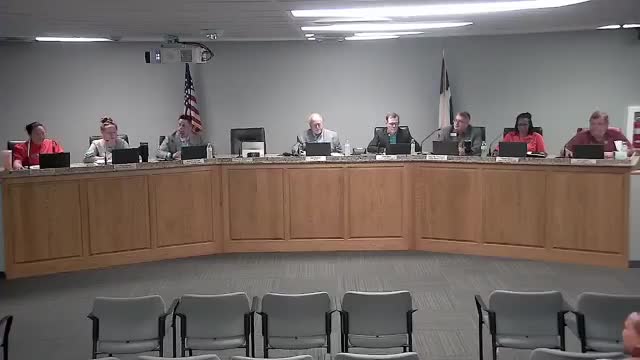
City Manager Ryan Havela told the Copperas Cove City Council on July 1 that multiple bills passed in the 2025 Texas Legislature could affect the city’s budget, planning and service obligations. He opened a 20‑minute briefing noting some measures take immediate effect while others will apply only to larger jurisdictions or come into force later.
Havela said changes to the state’s disabled‑veterans property tax relief program were among the most significant for Copperas Cove. “The current budget adopted for that relief payment is $19,000,000 for the biennium,” he said, adding a proposal to increase the program to $69,000,000 did not pass. He summarized House Bill 2894 as expanding eligibility for relief payments to additional communities in Lampasas, Coryell and Bell counties, and said the combination of broader eligibility and limited funding “is extremely negative” for Copperas Cove’s budget outlook.
Havela highlighted several finance and tax items that will affect local revenue forecasting: House Bill 9 increases the business personal property exemption from $2,500 to $125,000 effective Jan. 1, 2026; Senate Bill 1023 standardizes property‑tax rate calculation forms; and Senate Bill 1453 clarifies that the debt‑service tax rate must be based on the minimum amount needed to service debt that fiscal year. He warned the city will see many of these effects when preparing next year’s budget.
On audit and reporting, Havela noted House Bills 103 and 3526 require a local debt database and Senate Bill 1851 requires an audit be completed within the statutory timetable after the fiscal year end — and that a taxing entity may be restricted from adopting a tax rate higher than the no‑new‑revenue rate until the audit is complete.
Havela walked through multiple land‑use and development items: House Bill 21 restricts out‑of‑jurisdiction approvals by housing finance corporations; House Bill 2559 permits a development moratorium for commercial projects up to 90 days with one 90‑day extension (180 days total); recent changes to impact‑fee law (Senate Bill 1883) increase public‑notice time from 90 to 120 days and change board makeup and increase limits on how often fees can be increased after adoption; and several bills adjust rules for extraterritorial jurisdiction (ETJ) petitions and disannexation tied to service commitments.
On utilities and infrastructure, Havela noted bills that affect reporting and compensation: House Bill 291 (water loss reporting for large utilities) and House Bill 1318 (PUC involvement in compensation for CCNs in annexed areas). He said some new statewide funding mechanisms (for example, a Texas Water Fund) and financing options could be useful for large regional projects but may not immediately benefit Copperas Cove.
Havela also summarized public‑safety and administration bills that will touch city operations, including changes to municipal court jurisdiction over certain civil code enforcement matters, new requirements for firefighter cancer screenings and expanded confidentiality protections for certain employee personal information. He flagged new statewide training requirements for AI and cybersecurity, and said the city will need to implement training for officials.
Havela repeatedly cautioned that some statutes apply first to larger cities or to specific circumstances and that other measures will require the city to change ordinances and procedures. “Some of them impact Copperas Cove directly, some of them indirectly,” he told council. He closed by asking council to interrupt with questions if members wanted deeper analysis of any listed bill; council had no questions at the end of the presentation.
City staff said they will return with specific implementation steps and recommended code or policy updates where required.
Havela said changes to the state’s disabled‑veterans property tax relief program were among the most significant for Copperas Cove. “The current budget adopted for that relief payment is $19,000,000 for the biennium,” he said, adding a proposal to increase the program to $69,000,000 did not pass. He summarized House Bill 2894 as expanding eligibility for relief payments to additional communities in Lampasas, Coryell and Bell counties, and said the combination of broader eligibility and limited funding “is extremely negative” for Copperas Cove’s budget outlook.
Havela highlighted several finance and tax items that will affect local revenue forecasting: House Bill 9 increases the business personal property exemption from $2,500 to $125,000 effective Jan. 1, 2026; Senate Bill 1023 standardizes property‑tax rate calculation forms; and Senate Bill 1453 clarifies that the debt‑service tax rate must be based on the minimum amount needed to service debt that fiscal year. He warned the city will see many of these effects when preparing next year’s budget.
On audit and reporting, Havela noted House Bills 103 and 3526 require a local debt database and Senate Bill 1851 requires an audit be completed within the statutory timetable after the fiscal year end — and that a taxing entity may be restricted from adopting a tax rate higher than the no‑new‑revenue rate until the audit is complete.
Havela walked through multiple land‑use and development items: House Bill 21 restricts out‑of‑jurisdiction approvals by housing finance corporations; House Bill 2559 permits a development moratorium for commercial projects up to 90 days with one 90‑day extension (180 days total); recent changes to impact‑fee law (Senate Bill 1883) increase public‑notice time from 90 to 120 days and change board makeup and increase limits on how often fees can be increased after adoption; and several bills adjust rules for extraterritorial jurisdiction (ETJ) petitions and disannexation tied to service commitments.
On utilities and infrastructure, Havela noted bills that affect reporting and compensation: House Bill 291 (water loss reporting for large utilities) and House Bill 1318 (PUC involvement in compensation for CCNs in annexed areas). He said some new statewide funding mechanisms (for example, a Texas Water Fund) and financing options could be useful for large regional projects but may not immediately benefit Copperas Cove.
Havela also summarized public‑safety and administration bills that will touch city operations, including changes to municipal court jurisdiction over certain civil code enforcement matters, new requirements for firefighter cancer screenings and expanded confidentiality protections for certain employee personal information. He flagged new statewide training requirements for AI and cybersecurity, and said the city will need to implement training for officials.
Havela repeatedly cautioned that some statutes apply first to larger cities or to specific circumstances and that other measures will require the city to change ordinances and procedures. “Some of them impact Copperas Cove directly, some of them indirectly,” he told council. He closed by asking council to interrupt with questions if members wanted deeper analysis of any listed bill; council had no questions at the end of the presentation.
City staff said they will return with specific implementation steps and recommended code or policy updates where required.
View the Full Meeting & All Its Details
This article offers just a summary. Unlock complete video, transcripts, and insights as a Founder Member.
✓
Watch full, unedited meeting videos
✓
Search every word spoken in unlimited transcripts
✓
AI summaries & real-time alerts (all government levels)
✓
Permanent access to expanding government content
30-day money-back guarantee
