City committee reviews $2.6 million in workforce grants, highlights climate-jobs pipeline
July 02, 2025 | Boston City, Suffolk County, Massachusetts
This article was created by AI summarizing key points discussed. AI makes mistakes, so for full details and context, please refer to the video of the full meeting. Please report any errors so we can fix them. Report an error »
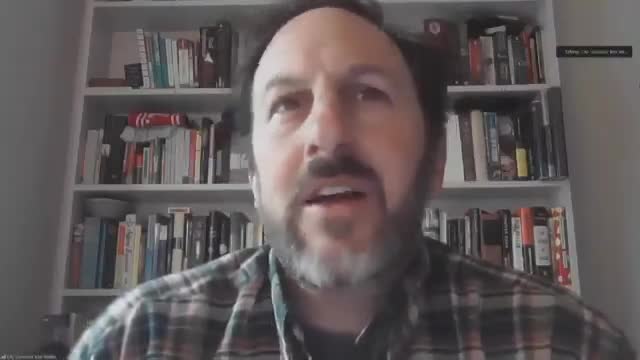
Boston City Councilors and workforce officials on July 1 reviewed 15 grant awards totaling about $2,600,000 that the Office of Workforce Development plans to administer to support the city’s career centers, youth employment and training programs and a new climate-jobs pipeline.
The grants reviewed include a $1.2 million Department of Labor award for youth employment (docket 1188), multiple smaller Department of Labor and MassHire awards that fund adult and dislocated-worker services and administration, and philanthropic contributions earmarked for the City’s PowerCorps and YOU (Youth Opportunity) programs. The committee also heard about a $200,000 Citizens Bank Foundation grant to the Boston Climate Jobs Alliance, which complements a larger National Oceanic and Atmospheric Administration (NOAA) award the city previously received.
Why it matters: the grants feed Boston’s two MassHire career centers and a network of nonprofit training providers that the city says will serve thousands of residents, with emphasis on unemployment insurance claimants, out-of-school youth and trainees entering green and building-trades career pathways. Committee members and staff flagged uncertainty in federal workforce funding as a central risk to continuity of some programs.
Office of Workforce Development staff described how the various funding streams flow. Katie Gall, Director of Grants for the Worker Empowerment Cabinet, said the city bundles federal and philanthropic funds to operate two career centers — MassHire Downtown Boston (operated by JVS) and MassHire Boston Career Center (managed by ABCD) — and to pay operators and service providers. "We typically have two years to spend most federal workforce funds," Gall said. She told the committee the two centers are expected to serve about 14,000 residents in FY25, a population that includes a large share of unemployment insurance claimants who must register for services.
Gall walked the panel through the list of dockets and the amounts read into the record by staff. Examples she read or staff later confirmed on the record include docket 1194 ($77,000, Department of Labor), 1195 ($70,000, philanthropic/State Street support for YOU), 1196 ($60,000, Department of Labor), 1197 ($50,000, MassHire/DCS), 1198 ($34,000, Department of Labor), 1199 ($8,900, MassHire), 1200 (about $3,000, MassHire), 1201 (about $1,800, Department of Labor), docket 1264 ($34,000, Department of Labor) and docket 1265 ($12,000, Department of Labor). Committee staff also read larger dockets previously discussed: 1188 (youth employment, $1,200,000) and two discretionary awards (1189 and 1190) described on the record as roughly in the low hundreds of thousands of dollars each (amounts read aloud on the record were garbled in places and are recorded in the hearing transcript). Chair Ben Weber read into the record that the fifteen grants before the committee total approximately $2,600,000.
Officials explained program uses and eligibility. Gall said some grants are "carry-in" funds awarded in FY24; funds are routed through the state executive office (EOLWD) and the MassHire workforce network, then contracted locally. She described the Workforce Innovation and Opportunity Act (WIOA) youth funding rules the city follows: programs for 18- to 24-year-olds typically run 12–18 months and must provide at least 20% of WIOA youth dollars for work experience; programs must include a year of follow-up services and may provide stipends, tuition, support for HiSET/GED completion, mental health, transportation and other wraparound services.
Jody Sugarman Bridal, Deputy Chief for Worker Empowerment, summarized two programs that received philanthropic support: PowerCorps, a roughly 10-month green-infrastructure training program for 18- to 30-year-olds with more than 120 graduates and a reported average hourly earnings around $27 for participants; and YOU (Youth Opportunity), which serves 14- to 24-year-olds through career exploration, internships and case management. Bridal said Liberty Mutual Foundation funding will support PowerCorps training materials, participant stipends and equipment; she said program participants receive a roughly $550 stipend each week during training. Joseph Lay, Chief of Staff for the Worker Empowerment Cabinet, said State Street funding largely supports stipends and direct program costs for YOU.
Boston Climate Jobs Alliance: Docket 1192 is a message and order to accept $200,000 from the Citizens Bank Foundation for the Boston Climate Jobs Alliance. Doreen (transcript identifies as the director of workforce training and programs) and Jody described the Alliance as part of a larger NOAA award the city previously won. Jody said the NOAA award totaled $9,800,000 and is intended to create a coalition of employers, colleges, unions and partners to train residents for coastal resilience, stormwater management, water utilities, building services and other climate-related work. "These plans lead to city investments and these investments lead to jobs," Jody said, noting the Alliance’s goal (as written in the grant materials) to train several hundred and place hundreds of trainees in multi-year cohorts; the NOAA grant set a three-year placement timeline in the award language discussed at the hearing.
Panelists said the Citizens Bank funds will be used for three purposes: paid youth-led marketing and design support for Alliance outreach, a job-development and coaching partner to connect trainees to employers, and a child-care voucher pool to support trainees during training and early placement (the Citizens Bank award will fund ten additional child-care vouchers for trainees). Jody and other staff told the committee that many employer partners are public-sector entities or contractors — examples cited on the record include the Boston Housing Authority, Boston Water and Sewer Commission, city parks and streets partners, and contractors in landscaping and green infrastructure — and that the city is working to create direct hiring pathways into those jobs.
Federal funding risks and next steps: staff repeatedly told the committee they are monitoring possible federal restructuring of workforce formula funds and potential consolidation into a single block grant, which staff said could reduce overall funding levels and change program rules. Katie Gall said the city had received initial FY26 allocations last week and that staff are tracking rule-making closely. Committee members expressed support for the grants and asked staff to keep the Council informed; no formal vote on any docket was recorded during the hearing.
The hearing concluded with Chair Ben Weber thanking staff and panelists and noting the dockets under discussion. No vote was taken on the record during the July 1 hearing; the chair then adjourned the meeting.
The grants reviewed include a $1.2 million Department of Labor award for youth employment (docket 1188), multiple smaller Department of Labor and MassHire awards that fund adult and dislocated-worker services and administration, and philanthropic contributions earmarked for the City’s PowerCorps and YOU (Youth Opportunity) programs. The committee also heard about a $200,000 Citizens Bank Foundation grant to the Boston Climate Jobs Alliance, which complements a larger National Oceanic and Atmospheric Administration (NOAA) award the city previously received.
Why it matters: the grants feed Boston’s two MassHire career centers and a network of nonprofit training providers that the city says will serve thousands of residents, with emphasis on unemployment insurance claimants, out-of-school youth and trainees entering green and building-trades career pathways. Committee members and staff flagged uncertainty in federal workforce funding as a central risk to continuity of some programs.
Office of Workforce Development staff described how the various funding streams flow. Katie Gall, Director of Grants for the Worker Empowerment Cabinet, said the city bundles federal and philanthropic funds to operate two career centers — MassHire Downtown Boston (operated by JVS) and MassHire Boston Career Center (managed by ABCD) — and to pay operators and service providers. "We typically have two years to spend most federal workforce funds," Gall said. She told the committee the two centers are expected to serve about 14,000 residents in FY25, a population that includes a large share of unemployment insurance claimants who must register for services.
Gall walked the panel through the list of dockets and the amounts read into the record by staff. Examples she read or staff later confirmed on the record include docket 1194 ($77,000, Department of Labor), 1195 ($70,000, philanthropic/State Street support for YOU), 1196 ($60,000, Department of Labor), 1197 ($50,000, MassHire/DCS), 1198 ($34,000, Department of Labor), 1199 ($8,900, MassHire), 1200 (about $3,000, MassHire), 1201 (about $1,800, Department of Labor), docket 1264 ($34,000, Department of Labor) and docket 1265 ($12,000, Department of Labor). Committee staff also read larger dockets previously discussed: 1188 (youth employment, $1,200,000) and two discretionary awards (1189 and 1190) described on the record as roughly in the low hundreds of thousands of dollars each (amounts read aloud on the record were garbled in places and are recorded in the hearing transcript). Chair Ben Weber read into the record that the fifteen grants before the committee total approximately $2,600,000.
Officials explained program uses and eligibility. Gall said some grants are "carry-in" funds awarded in FY24; funds are routed through the state executive office (EOLWD) and the MassHire workforce network, then contracted locally. She described the Workforce Innovation and Opportunity Act (WIOA) youth funding rules the city follows: programs for 18- to 24-year-olds typically run 12–18 months and must provide at least 20% of WIOA youth dollars for work experience; programs must include a year of follow-up services and may provide stipends, tuition, support for HiSET/GED completion, mental health, transportation and other wraparound services.
Jody Sugarman Bridal, Deputy Chief for Worker Empowerment, summarized two programs that received philanthropic support: PowerCorps, a roughly 10-month green-infrastructure training program for 18- to 30-year-olds with more than 120 graduates and a reported average hourly earnings around $27 for participants; and YOU (Youth Opportunity), which serves 14- to 24-year-olds through career exploration, internships and case management. Bridal said Liberty Mutual Foundation funding will support PowerCorps training materials, participant stipends and equipment; she said program participants receive a roughly $550 stipend each week during training. Joseph Lay, Chief of Staff for the Worker Empowerment Cabinet, said State Street funding largely supports stipends and direct program costs for YOU.
Boston Climate Jobs Alliance: Docket 1192 is a message and order to accept $200,000 from the Citizens Bank Foundation for the Boston Climate Jobs Alliance. Doreen (transcript identifies as the director of workforce training and programs) and Jody described the Alliance as part of a larger NOAA award the city previously won. Jody said the NOAA award totaled $9,800,000 and is intended to create a coalition of employers, colleges, unions and partners to train residents for coastal resilience, stormwater management, water utilities, building services and other climate-related work. "These plans lead to city investments and these investments lead to jobs," Jody said, noting the Alliance’s goal (as written in the grant materials) to train several hundred and place hundreds of trainees in multi-year cohorts; the NOAA grant set a three-year placement timeline in the award language discussed at the hearing.
Panelists said the Citizens Bank funds will be used for three purposes: paid youth-led marketing and design support for Alliance outreach, a job-development and coaching partner to connect trainees to employers, and a child-care voucher pool to support trainees during training and early placement (the Citizens Bank award will fund ten additional child-care vouchers for trainees). Jody and other staff told the committee that many employer partners are public-sector entities or contractors — examples cited on the record include the Boston Housing Authority, Boston Water and Sewer Commission, city parks and streets partners, and contractors in landscaping and green infrastructure — and that the city is working to create direct hiring pathways into those jobs.
Federal funding risks and next steps: staff repeatedly told the committee they are monitoring possible federal restructuring of workforce formula funds and potential consolidation into a single block grant, which staff said could reduce overall funding levels and change program rules. Katie Gall said the city had received initial FY26 allocations last week and that staff are tracking rule-making closely. Committee members expressed support for the grants and asked staff to keep the Council informed; no formal vote on any docket was recorded during the hearing.
The hearing concluded with Chair Ben Weber thanking staff and panelists and noting the dockets under discussion. No vote was taken on the record during the July 1 hearing; the chair then adjourned the meeting.
View the Full Meeting & All Its Details
This article offers just a summary. Unlock complete video, transcripts, and insights as a Founder Member.
✓
Watch full, unedited meeting videos
✓
Search every word spoken in unlimited transcripts
✓
AI summaries & real-time alerts (all government levels)
✓
Permanent access to expanding government content
30-day money-back guarantee
