Tennessee lawyers argue whether late notice of enhanced punishment requires automatic lower sentence
July 09, 2025 | Judicial, Tennessee
This article was created by AI summarizing key points discussed. AI makes mistakes, so for full details and context, please refer to the video of the full meeting. Please report any errors so we can fix them. Report an error »
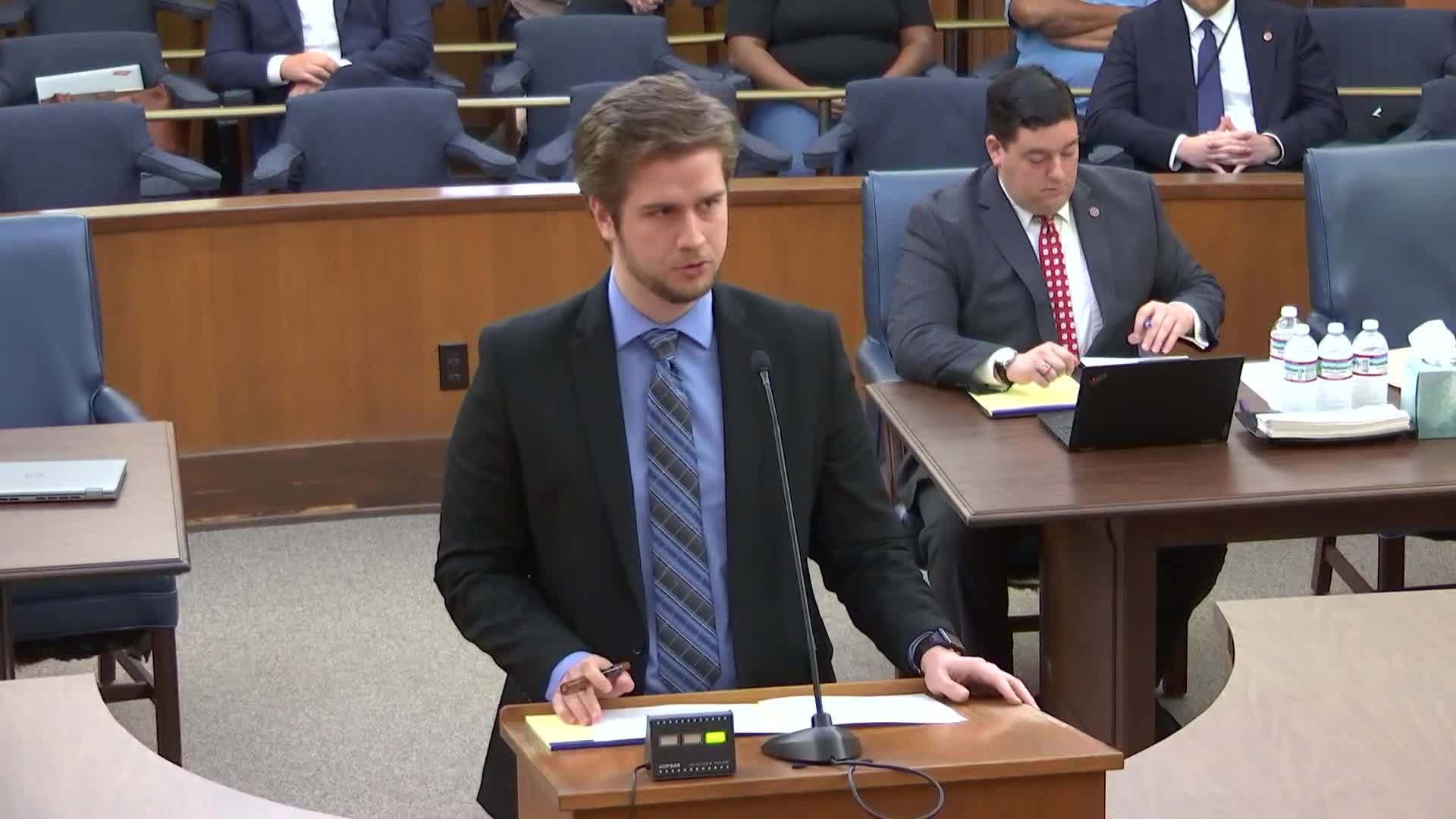
Joshua Ladey, an appellate public defender representing appellant Jason McCain, told the court he would focus on the “notice of intent to seek enhanced punishment,” arguing the state’s filing of that notice 10 minutes before McCain’s sentencing hearing — months after McCain pleaded guilty — was untimely under TCA 40‑35‑202 and required a range‑1 sentence regardless of the defendant’s prior convictions.
Ladey told the panel, “I will leave that to the brief and spend my time today talking about the notice of intent to seek enhanced punishment.” He said Tennessee precedent holds that when the state files notice after trial the appropriate remedy is to impose the lowest statutory sentencing range, and he urged the same outcome here because of the timing.
In response, Ronald Coleman, appearing for the state (filling in for General Neff), argued the key inquiry is whether the untimely notice caused prejudice to the defendant. Coleman said longstanding Tennessee decisions distinguish a notice that was never filed from one that was defective or untimely and that when the notice is filed before sentencing the defendant must show prejudice. He asked the court to affirm the trial court’s classification of McCain as a range‑3 offender and its within‑range sentence.
Throughout argument the judges questioned both sides about the underlying purposes of the statutory notice, including fairness and the defendant’s ability to make an informed decision about pleading. One judge summarized the defense view: the notice is “form over substance” if the state’s late filing allows it to avoid the statute’s protections; Ladey countered that the case law focuses on timing rather than the defendant’s subjective awareness. Coleman pointed to prior rulings he said place the burden on the defendant to establish prejudice when notice is untimely but filed before sentencing, and he stressed the trial court offered McCain the chance to withdraw his plea.
Both parties debated the precedential reach of several Tennessee cases. Ladey invoked State v. Adams and other authority to argue that the timing of the notice — not the defendant’s actual knowledge — controls, while Coleman said Cooper and related authorities do not support the defense’s position and urged the court to treat this as an untimely but pre‑sentencing filing requiring a prejudice showing.
The court took the case under advisement and said it would issue a decision later. No ruling was made at the oral argument session.
Votes at a glance: none — this proceeding was oral argument in an appeal and produced no formal votes or written orders at the hearing; the court will issue an opinion or order after advising the case.
Ladey told the panel, “I will leave that to the brief and spend my time today talking about the notice of intent to seek enhanced punishment.” He said Tennessee precedent holds that when the state files notice after trial the appropriate remedy is to impose the lowest statutory sentencing range, and he urged the same outcome here because of the timing.
In response, Ronald Coleman, appearing for the state (filling in for General Neff), argued the key inquiry is whether the untimely notice caused prejudice to the defendant. Coleman said longstanding Tennessee decisions distinguish a notice that was never filed from one that was defective or untimely and that when the notice is filed before sentencing the defendant must show prejudice. He asked the court to affirm the trial court’s classification of McCain as a range‑3 offender and its within‑range sentence.
Throughout argument the judges questioned both sides about the underlying purposes of the statutory notice, including fairness and the defendant’s ability to make an informed decision about pleading. One judge summarized the defense view: the notice is “form over substance” if the state’s late filing allows it to avoid the statute’s protections; Ladey countered that the case law focuses on timing rather than the defendant’s subjective awareness. Coleman pointed to prior rulings he said place the burden on the defendant to establish prejudice when notice is untimely but filed before sentencing, and he stressed the trial court offered McCain the chance to withdraw his plea.
Both parties debated the precedential reach of several Tennessee cases. Ladey invoked State v. Adams and other authority to argue that the timing of the notice — not the defendant’s actual knowledge — controls, while Coleman said Cooper and related authorities do not support the defense’s position and urged the court to treat this as an untimely but pre‑sentencing filing requiring a prejudice showing.
The court took the case under advisement and said it would issue a decision later. No ruling was made at the oral argument session.
Votes at a glance: none — this proceeding was oral argument in an appeal and produced no formal votes or written orders at the hearing; the court will issue an opinion or order after advising the case.
Don't Miss a Word: See the Full Meeting!
Go beyond summaries. Unlock every video, transcript, and key insight with a Founder Membership.
✓
Get instant access to full meeting videos
✓
Search and clip any phrase from complete transcripts
✓
Receive AI-powered summaries & custom alerts
✓
Enjoy lifetime, unrestricted access to government data
30-day money-back guarantee
