Parks staff preview needs assessment for Boulder rec centers; final report due late June or early July
July 10, 2025 | Boulder, Boulder County, Colorado
This article was created by AI summarizing key points discussed. AI makes mistakes, so for full details and context, please refer to the video of the full meeting. Please report any errors so we can fix them. Report an error »
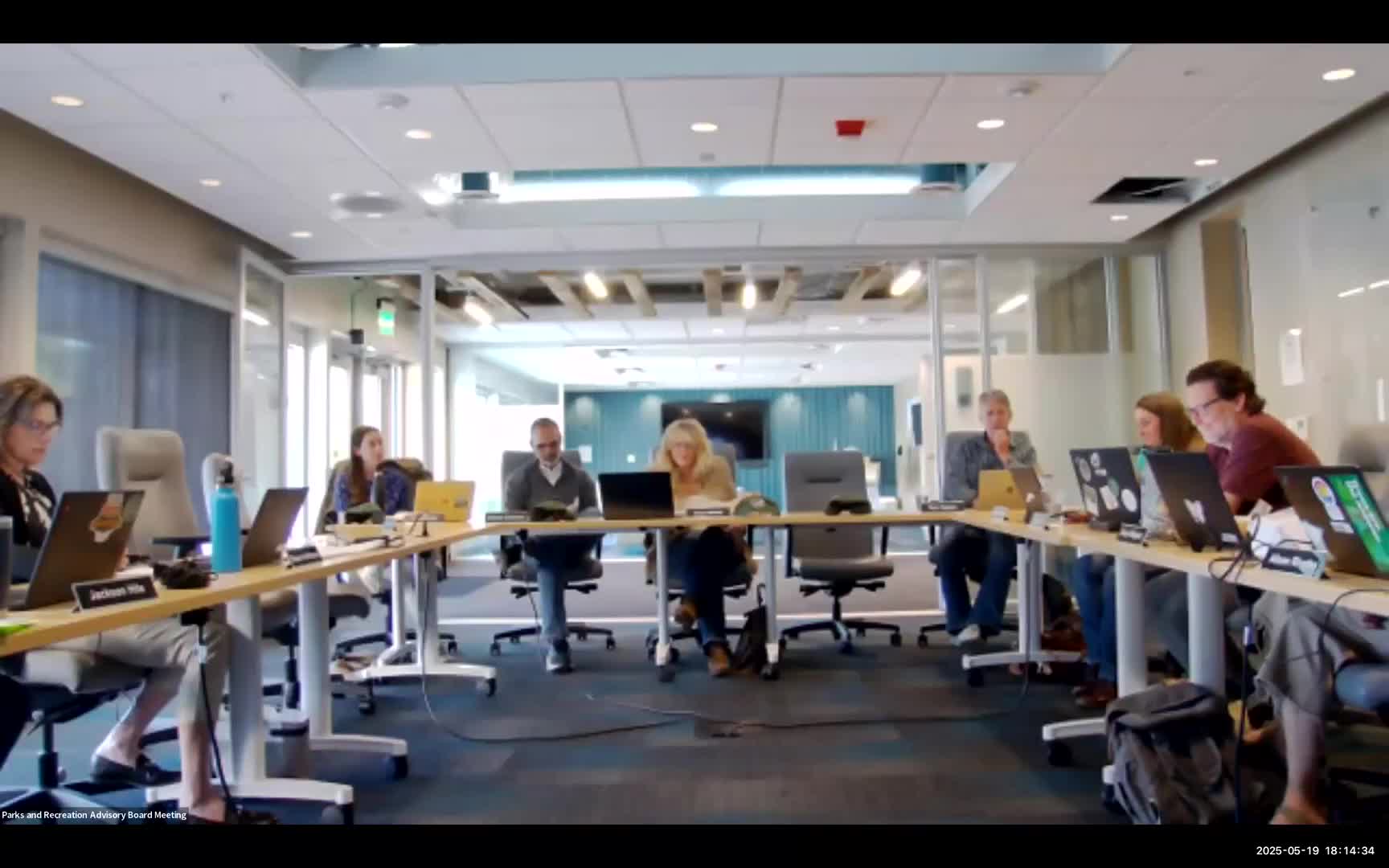
City of Boulder Parks and Recreation staff on a board meeting briefing said a draft needs assessment for the city’s three recreation centers will be finalized in late June or early July and used to shape short-term repairs and longer-term funding conversations.
Darren Wagner, senior landscape architect and project manager for the Future of Recreation Centers project, told the Parks and Recreation Advisory Board the assessment is intended to “inform two primary separate efforts” rather than to be a final plan. He said the study was scoped to evaluate how renovations to existing buildings could meet community needs and was not a feasibility study for a fourth, competitive aquatics facility: “This project was not scoped to as a feasibility study for that fourth facility.”
The assessment summarized how the three centers currently function and recorded community priorities. Staff said North Boulder Recreation Center receives the most visitation and houses the city’s centralized gymnastics program and Boulder High’s swim team; South functions on a smaller footprint as a neighborhood anchor and has been identified in earlier evaluations as past its useful life; East is co-located with the East AgeWell center and has community interest in warm-water wellness and an indoor track.
Wagner described findings from outreach: a broad set of users prioritized fitness and aquatics systemwide; teens asked for dedicated teen spaces and social amenities; older adults prioritized warm-water wellness; people with disabilities emphasized swimming and community gathering. Wagner also said staff held “micro engagements” with community connectors and an invitation-only prioritization workshop in January that included about 50 participants, as well as a drop-in open house attended by roughly 100 people.
Staff described how the needs assessment will be used. The short-term work includes repairs at South and planned short-term repairs at North to extend operations (staff said South repairs could extend the facility’s life by up to about five years). The assessment will also feed into Fund Our Future, a citywide process that will evaluate how recreation needs compare with other capital priorities citywide and whether voters will support additional revenue for unfunded needs.
Wagner and Allie Rhodes, director of Parks and Recreation, said the report is not a decision document but will supply the information needed for two next steps: design options and a preferred design for East, and broader community conversations led by the Fund Our Future team about how to pay for remaining unfunded needs across the city. Wagner said staff will present preliminary design options for East this summer and expects to bring the full needs assessment to the board for discussion in July.
Questions from board members touched on whether the project had engaged school district stakeholders and how the city reached underrepresented residents. Wagner said the Boulder Valley School District had been a partner and that staff intentionally engaged “community connectors” to reach people who may not use centers frequently. Board members also asked about likely costs and the effect of city energy and building codes on renovation costs; staff said energy-code compliance and sustainability measures are significant budget drivers but that precise percentages for retrofit costs depend on final scope and are still being analyzed.
The board scheduled the needs-assessment discussion for its July meeting so members can review the draft report and preliminary design options for East.
Darren Wagner, senior landscape architect and project manager for the Future of Recreation Centers project, told the Parks and Recreation Advisory Board the assessment is intended to “inform two primary separate efforts” rather than to be a final plan. He said the study was scoped to evaluate how renovations to existing buildings could meet community needs and was not a feasibility study for a fourth, competitive aquatics facility: “This project was not scoped to as a feasibility study for that fourth facility.”
The assessment summarized how the three centers currently function and recorded community priorities. Staff said North Boulder Recreation Center receives the most visitation and houses the city’s centralized gymnastics program and Boulder High’s swim team; South functions on a smaller footprint as a neighborhood anchor and has been identified in earlier evaluations as past its useful life; East is co-located with the East AgeWell center and has community interest in warm-water wellness and an indoor track.
Wagner described findings from outreach: a broad set of users prioritized fitness and aquatics systemwide; teens asked for dedicated teen spaces and social amenities; older adults prioritized warm-water wellness; people with disabilities emphasized swimming and community gathering. Wagner also said staff held “micro engagements” with community connectors and an invitation-only prioritization workshop in January that included about 50 participants, as well as a drop-in open house attended by roughly 100 people.
Staff described how the needs assessment will be used. The short-term work includes repairs at South and planned short-term repairs at North to extend operations (staff said South repairs could extend the facility’s life by up to about five years). The assessment will also feed into Fund Our Future, a citywide process that will evaluate how recreation needs compare with other capital priorities citywide and whether voters will support additional revenue for unfunded needs.
Wagner and Allie Rhodes, director of Parks and Recreation, said the report is not a decision document but will supply the information needed for two next steps: design options and a preferred design for East, and broader community conversations led by the Fund Our Future team about how to pay for remaining unfunded needs across the city. Wagner said staff will present preliminary design options for East this summer and expects to bring the full needs assessment to the board for discussion in July.
Questions from board members touched on whether the project had engaged school district stakeholders and how the city reached underrepresented residents. Wagner said the Boulder Valley School District had been a partner and that staff intentionally engaged “community connectors” to reach people who may not use centers frequently. Board members also asked about likely costs and the effect of city energy and building codes on renovation costs; staff said energy-code compliance and sustainability measures are significant budget drivers but that precise percentages for retrofit costs depend on final scope and are still being analyzed.
The board scheduled the needs-assessment discussion for its July meeting so members can review the draft report and preliminary design options for East.
View the Full Meeting & All Its Details
This article offers just a summary. Unlock complete video, transcripts, and insights as a Founder Member.
✓
Watch full, unedited meeting videos
✓
Search every word spoken in unlimited transcripts
✓
AI summaries & real-time alerts (all government levels)
✓
Permanent access to expanding government content
30-day money-back guarantee
