Board approves compensation plan using state teacher retention allotment; staff plan raises nonexempt midpoint 4% and other exempt employees 2%
July 18, 2025 | NORTHSIDE ISD, School Districts, Texas
This article was created by AI summarizing key points discussed. AI makes mistakes, so for full details and context, please refer to the video of the full meeting. Please report any errors so we can fix them. Report an error »
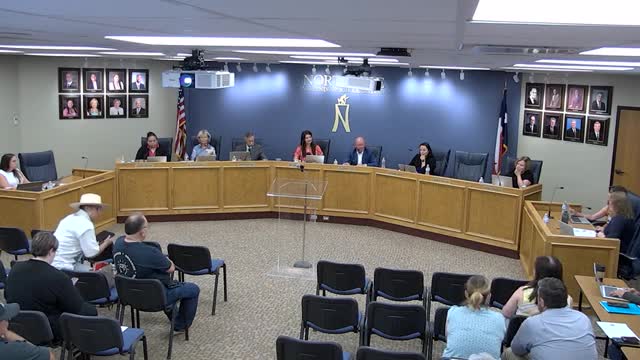
The Northside Board of Trustees approved a comprehensive compensation plan that implements the state’s teacher retention allotment and increases pay for other employee groups.
Deputy Superintendent Megan Bradley and Superintendent Doctor Kraft reviewed the legislative allotments from House Bill 2 and the district’s recommended distribution of the new revenue. Bradley explained the law sets aside specific allotments for teacher retention (the Teacher Retention Allotment, TRA) and a support-staff retention allotment that excludes administrators by statute. The district’s proposal, presented as an action item, reflected the statutory TRA amounts while using other available allotments and local funds to cover related benefits and to extend raises to staff not covered by the retention allotment.
Under the plan trustees approved: implementation of the TRA increases for eligible teachers (Bradley outlined two tiers in the transcript: $2,500 for teachers with 3–4 years and $5,000 for teachers with five or more years of experience as set by the allotment); a 4% increase to the midpoint for nonexempt (hourly) staff; and a 2% increase for other exempt employees (including administrators and other professionals not covered by the TRA). Bradley said the TRA revenue identified in the legislature totaled about $27.4 million for the district but that the cost to the district for the raises (including benefits) was approximately $30.4 million, leaving a benefits funding gap Bradley estimated at about $2.6 million that the district must cover from other sources.
Trustees asked for scenarios to reach a $15 hourly entry rate. Staff presented multiple options: raising all hourly minimums to $15 and addressing pay-grade compression would cost about $24.7 million when calculated across all pay grades; an alternative the district endorsed was a targeted, multi-year strategy to move toward a $15 entry rate while avoiding supervisory-to-entry compression. Bradley provided workforce counts for planning: under a 4% midpoint increase an all-funds run would leave 724 employees below $15/hour and 4,798 above it (all-funds headcount). Bradley and other staff cautioned that moving to higher entry wages immediately would require larger equity adjustments across roughly 30+ pay grades, which would increase the immediate budget impact.
After further questions and discussion, a trustee moved to adopt the comprehensive compensation plan as recommended; the board voted in favor and the chair announced the motion passed. Bradley told trustees the district would incorporate the adopted compensation plan into the fiscal-year budget process and continue to present updated budget projections and comparisons to neighboring districts. Trustees also directed staff to prepare for community outreach and a longer-term salary study to inform future decisions.
Deputy Superintendent Megan Bradley and Superintendent Doctor Kraft reviewed the legislative allotments from House Bill 2 and the district’s recommended distribution of the new revenue. Bradley explained the law sets aside specific allotments for teacher retention (the Teacher Retention Allotment, TRA) and a support-staff retention allotment that excludes administrators by statute. The district’s proposal, presented as an action item, reflected the statutory TRA amounts while using other available allotments and local funds to cover related benefits and to extend raises to staff not covered by the retention allotment.
Under the plan trustees approved: implementation of the TRA increases for eligible teachers (Bradley outlined two tiers in the transcript: $2,500 for teachers with 3–4 years and $5,000 for teachers with five or more years of experience as set by the allotment); a 4% increase to the midpoint for nonexempt (hourly) staff; and a 2% increase for other exempt employees (including administrators and other professionals not covered by the TRA). Bradley said the TRA revenue identified in the legislature totaled about $27.4 million for the district but that the cost to the district for the raises (including benefits) was approximately $30.4 million, leaving a benefits funding gap Bradley estimated at about $2.6 million that the district must cover from other sources.
Trustees asked for scenarios to reach a $15 hourly entry rate. Staff presented multiple options: raising all hourly minimums to $15 and addressing pay-grade compression would cost about $24.7 million when calculated across all pay grades; an alternative the district endorsed was a targeted, multi-year strategy to move toward a $15 entry rate while avoiding supervisory-to-entry compression. Bradley provided workforce counts for planning: under a 4% midpoint increase an all-funds run would leave 724 employees below $15/hour and 4,798 above it (all-funds headcount). Bradley and other staff cautioned that moving to higher entry wages immediately would require larger equity adjustments across roughly 30+ pay grades, which would increase the immediate budget impact.
After further questions and discussion, a trustee moved to adopt the comprehensive compensation plan as recommended; the board voted in favor and the chair announced the motion passed. Bradley told trustees the district would incorporate the adopted compensation plan into the fiscal-year budget process and continue to present updated budget projections and comparisons to neighboring districts. Trustees also directed staff to prepare for community outreach and a longer-term salary study to inform future decisions.
Don't Miss a Word: See the Full Meeting!
Go beyond summaries. Unlock every video, transcript, and key insight with a Founder Membership.
✓
Get instant access to full meeting videos
✓
Search and clip any phrase from complete transcripts
✓
Receive AI-powered summaries & custom alerts
✓
Enjoy lifetime, unrestricted access to government data
30-day money-back guarantee
