Avista outlines wildfire-resiliency program, AI cameras and public-safety power-shutoff procedures
July 21, 2025 | Spokane, Spokane County, Washington
This article was created by AI summarizing key points discussed. AI makes mistakes, so for full details and context, please refer to the video of the full meeting. Please report any errors so we can fix them. Report an error »
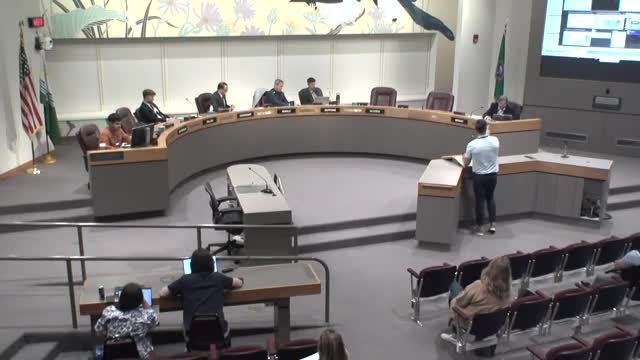
Avista regional business manager Ryan Arnold and senior wildfire resiliency program manager Robin Brookshire told the PIES Committee the utility is implementing a 10-year wildfire resiliency plan that includes four components: grid hardening; enhanced vegetation management; situational awareness through weather stations and AI fire-detection cameras; and operations and emergency response.
Arnold said the company has installed 15 mountaintop AI cameras with fire-detection capability and plans to add about five more cameras in Washington. "It gives us visual confirmation... it allows us to get visuals on some of these really remote regions that otherwise we'd have to drive a team out to see," Arnold said. He described weather stations feeding microclimate data into Avista's monitoring dashboard to provide real-time situational awareness.
Brookshire described fire-safety modes Avista uses during fire season, ranging from normal operation to elevated fire safety, to extreme fire safety where equipment that trips is held out of service until inspected pole to pole. She said public-safety power shutoffs (PSPS) remain a last-resort tool and that Avista performed a minimal PSPS last year in the Indian Trails area. "If we are in extreme fire safety mode... as that last resort, we will do a public safety power shutoff," she said.
Avista said it shares camera and detection data with state and county partners including the Department of Natural Resources (DNR) and that WeatherNet provides weather-station feeds. Committee members asked about the utility's grid upgrades since the extreme-heat event several years ago and whether new conductor/falling-conductor protection technology or fuse/sectionalizing technologies could reduce outages; Avista said it would follow up with electrical-operations staff to provide more detail.
Discussion versus decision: Avista presented the resiliency plan and took questions; the committee did not take action. Avista offered to return with a more detailed grid update on infrastructure investments and protection technologies.
Next steps: Avista will continue deployment of cameras and weather stations and said it will coordinate with City Fire and other agencies on monitoring and response. Council members requested follow-up information on grid upgrades and on the scope and coverage of the camera and weather-station networks.
Arnold said the company has installed 15 mountaintop AI cameras with fire-detection capability and plans to add about five more cameras in Washington. "It gives us visual confirmation... it allows us to get visuals on some of these really remote regions that otherwise we'd have to drive a team out to see," Arnold said. He described weather stations feeding microclimate data into Avista's monitoring dashboard to provide real-time situational awareness.
Brookshire described fire-safety modes Avista uses during fire season, ranging from normal operation to elevated fire safety, to extreme fire safety where equipment that trips is held out of service until inspected pole to pole. She said public-safety power shutoffs (PSPS) remain a last-resort tool and that Avista performed a minimal PSPS last year in the Indian Trails area. "If we are in extreme fire safety mode... as that last resort, we will do a public safety power shutoff," she said.
Avista said it shares camera and detection data with state and county partners including the Department of Natural Resources (DNR) and that WeatherNet provides weather-station feeds. Committee members asked about the utility's grid upgrades since the extreme-heat event several years ago and whether new conductor/falling-conductor protection technology or fuse/sectionalizing technologies could reduce outages; Avista said it would follow up with electrical-operations staff to provide more detail.
Discussion versus decision: Avista presented the resiliency plan and took questions; the committee did not take action. Avista offered to return with a more detailed grid update on infrastructure investments and protection technologies.
Next steps: Avista will continue deployment of cameras and weather stations and said it will coordinate with City Fire and other agencies on monitoring and response. Council members requested follow-up information on grid upgrades and on the scope and coverage of the camera and weather-station networks.
View the Full Meeting & All Its Details
This article offers just a summary. Unlock complete video, transcripts, and insights as a Founder Member.
✓
Watch full, unedited meeting videos
✓
Search every word spoken in unlimited transcripts
✓
AI summaries & real-time alerts (all government levels)
✓
Permanent access to expanding government content
30-day money-back guarantee
