Veterans, Military Medical Leaders Urge Lawmakers to Let Qualified Medics Sit for LPN Exams Without Repeating Civilian Programs
July 22, 2025 | 2025 Legislature MA, Massachusetts
This article was created by AI summarizing key points discussed. AI makes mistakes, so for full details and context, please refer to the video of the full meeting. Please report any errors so we can fix them. Report an error »
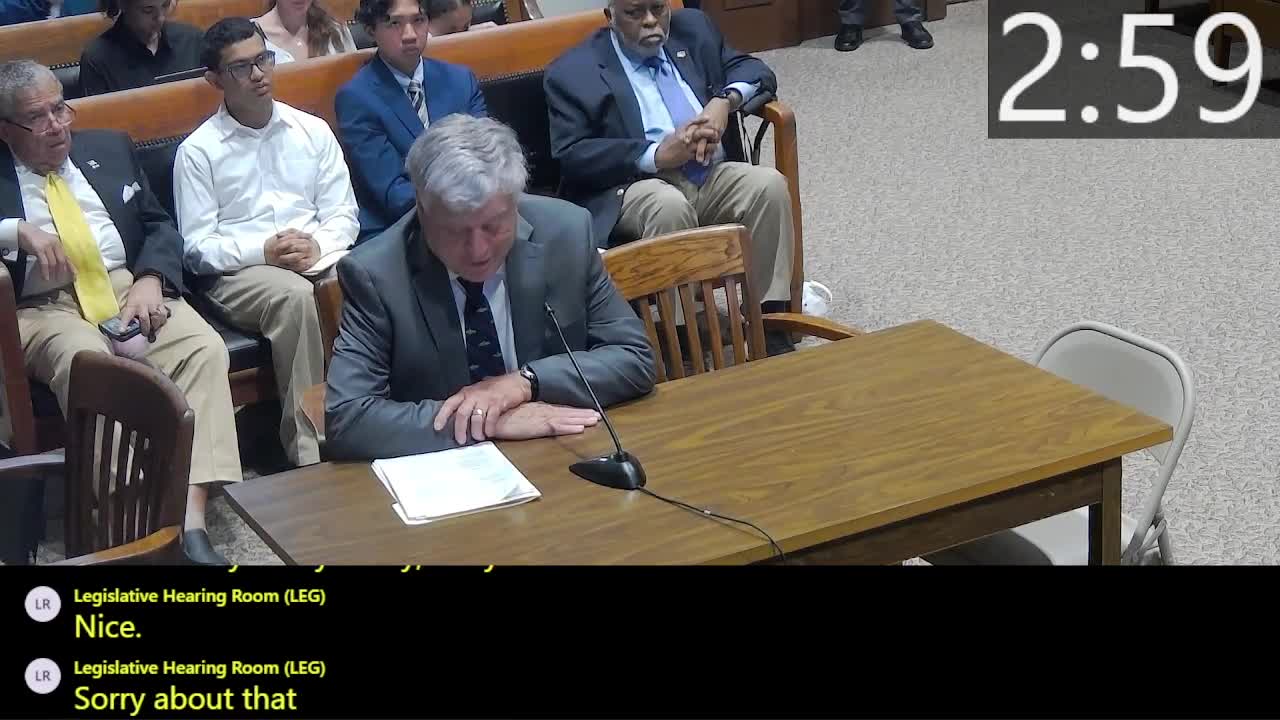
At the committee's February hearing, military and veterans‑service leaders urged lawmakers to pass bills (SB 2477 and H.3866) that would waive duplicative educational requirements for licensed practical nurse (LPN) licensure for veterans whose military training and clinical experience meet civilian competencies.
Albert Paquin, a retired U.S. Navy commander and president of the Bay State Council of Chapters of the Military Officers Association of America, said former medics and corpsmen receive hundreds of hours of clinical training "and have performed life saving procedures under high pressure conditions in combat zones, disaster responses, and humanitarian missions." He told the committee that many such veterans are capable of serving immediately in long‑term care, rehabilitation and other settings that face staffing shortages.
Multiple witnesses described operational experience in nursing homes and during the state's COVID response as evidence veterans already perform many LPN duties. One witness said a broad national trend allows similar pathways in other states, and cited recent action in Mississippi, New York, California and Vermont as precedents. Witnesses said the bills would limit waivers to veterans who meet defined training and clinical experience thresholds and would not lower patient‑safety standards.
Committee members and witnesses agreed the bills are intended to address a workforce shortage while ensuring public‑safety protections through defined competency checks and examinations. No vote was taken; sponsors asked the committee to report the bills favorably and to allow staff to draft statutory language that preserves exam requirements while recognizing validated military training.
Albert Paquin, a retired U.S. Navy commander and president of the Bay State Council of Chapters of the Military Officers Association of America, said former medics and corpsmen receive hundreds of hours of clinical training "and have performed life saving procedures under high pressure conditions in combat zones, disaster responses, and humanitarian missions." He told the committee that many such veterans are capable of serving immediately in long‑term care, rehabilitation and other settings that face staffing shortages.
Multiple witnesses described operational experience in nursing homes and during the state's COVID response as evidence veterans already perform many LPN duties. One witness said a broad national trend allows similar pathways in other states, and cited recent action in Mississippi, New York, California and Vermont as precedents. Witnesses said the bills would limit waivers to veterans who meet defined training and clinical experience thresholds and would not lower patient‑safety standards.
Committee members and witnesses agreed the bills are intended to address a workforce shortage while ensuring public‑safety protections through defined competency checks and examinations. No vote was taken; sponsors asked the committee to report the bills favorably and to allow staff to draft statutory language that preserves exam requirements while recognizing validated military training.
View the Full Meeting & All Its Details
This article offers just a summary. Unlock complete video, transcripts, and insights as a Founder Member.
✓
Watch full, unedited meeting videos
✓
Search every word spoken in unlimited transcripts
✓
AI summaries & real-time alerts (all government levels)
✓
Permanent access to expanding government content
30-day money-back guarantee
